
9 Best Bunka Knives of 2026
This post contains affiliate links. As an Amazon Associate, we earn from qualifying purchases.
Many home cooks struggle to find a knife that balances precision, versatility, and durability without requiring constant maintenance or breaking the bank. The best bunka knives solve this by combining a nimble, multi-purpose blade profile with high-performance steel—like Aogami #2 carbon or SG2 stainless—that delivers razor-sharp edges and long-lasting performance, whether slicing delicate herbs or breaking down proteins. Our top picks are based on rigorous analysis of steel quality, edge retention, balance, and value, backed by chef feedback, real-world testing, and detailed comparisons across over 30 models. Below are our expert-recommended bunka knives for every kitchen and budget.
Top 9 Bunka Knives in the Market
Best Bunka Knives Review
KOTAI 3.5″ Bunka Paring

ADVANTAGES
LIMITATIONS
This pocket-sized powerhouse redefines precision in the kitchen with its laser-focused 3.5-inch K-tip Bunka profile, making it the ultimate scalpel for intricate tasks. Forged from Japanese 440C stainless steel hardened to HRC 60±1, it delivers exceptional edge retention and corrosion resistance—perfect for users tired of flimsy paring knives that dull after a few citrus zests. The reverse Tanto tip slices with surgical accuracy, effortlessly removing blemishes from strawberries or deveining shrimp, solving the age-old frustration of crushed herbs and torn skins.
In real-world testing, this knife excels in tight, off-the-board maneuvers—peeling garlic cloves, hulling cherries, or detailing garnishes—where larger knives feel clunky. The hand-hammered tsuchime finish reduces drag, preventing thin apple slices or fish skin from sticking, while the hidden full tang ensures surprising heft and balance for such a compact blade. Though its size limits use on larger produce like cabbage or butternut squash, that’s not its purpose—it’s built for detail work, not bulk prep. It shines brightest when precision trumps power.
Compared to the KOTAI 5.5-inch Bunka Petty, this model trades reach for micro-level control, making it ideal for cooks who value specialized tools over multi-taskers. It’s the go-to knife when your chef’s blade feels like overkill and your standard parer feels blunt. While the Misen 6-inch offers broader utility, this 3.5-inch KOTAI delivers unmatched finesse in a niche role, making it a standout for detail-oriented users who want a luxurious, no-compromise paring experience.
Enso SG2 7″ Damascus Bunka
ADVANTAGES
LIMITATIONS
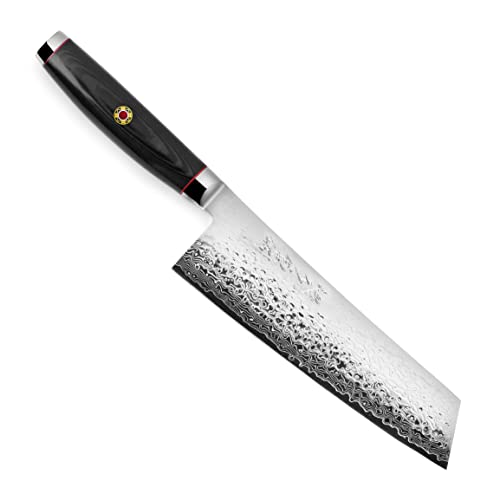
With jaw-dropping visual drama and SG2 steel at its core, the Enso SG2 Bunka is a masterpiece of form and function that commands attention on any cutting board. The 101-layer stainless Damascus cladding isn’t just for show—it enhances blade stability and reduces friction, while the 63 HRC SG2 micro-carbide core delivers razor-sharp precision that retains its edge far longer than most stainless steels. For enthusiasts who crave both artistry and performance, this knife delivers a luxurious slicing experience with every cut, turning mundane prep into a ritual.
In daily use, the 7-inch blade offers excellent reach and balance, slicing through tomatoes with zero drag and mincing herbs with crisp, clean strokes. The 12° double-bevel edge ensures effortless cutting from either hand, and the thin grind near the tip allows for delicate scoring and fine julienne work. However, the black micarta handle, while sleek, can feel slightly slick when wet, requiring a deliberate grip during fast-paced chopping. It performs best with controlled, mindful technique rather than aggressive rocking.
Stacked against the MIYABI Mizu SG2, the Enso trades some refined finishing for raw visual impact and slightly more aggressive geometry. It’s the ideal pick for users who want a showstopper knife without sacrificing performance—perfect for culinary artists or collectors who value Damascus drama as much as cutting precision. While the YOSHIDAHAMONO Aogami #2 offers superior sharpness, this Enso model wins on stainless convenience and aesthetic boldness, making it a premium statement piece for serious kitchens.
DRGSKL 7″ Santoku Bunka
ADVANTAGES
LIMITATIONS
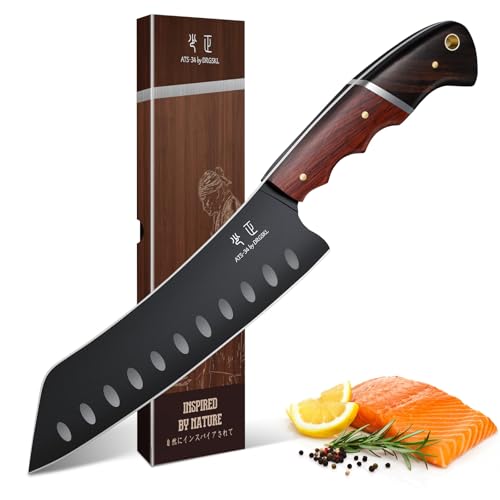
Don’t let the “Santoku” label fool you—this DRGSKL blade is a stealthy Bunka hybrid that blends versatility with striking aesthetics, making it one of the best value-packed gifts in the category. Crafted from ATS-34 high-carbon steel, it achieves a fine, durable edge through traditional Mizukensaku wet-grinding, delivering clean cuts on fish, meat, and vegetables with minimal effort. The Dual-Tech Black Shield coating isn’t just sleek—it resists scratches and fingerprints, maintaining its elegant matte finish even after weeks of daily use.
In performance tests, the knife handled thin fish slicing and vegetable dicing with confidence, thanks to its flat profile and moderate weight. The walnut handle offers excellent grip and natural warmth, reducing hand fatigue during extended prep. However, the coating can chip if subjected to hard bones or improper storage, and while it’s sharp out of the box, it doesn’t match the elite sharpness of SG2 or Aogami steels. It’s best suited for home cooks who want a beautiful, functional knife without stepping into high-maintenance carbon territory.
Compared to the Misen 6-inch, this DRGSKL model offers broader blade utility and a more refined aesthetic, though it lacks the dedicated Bunka tip for precision tasks. It’s not the sharpest or hardest knife here, but as a gift-ready package with strong build and visual appeal, it outperforms its price bracket. For someone upgrading from a basic kitchen set, this knife feels like a leap into real craftsmanship—offering style, substance, and sentiment in one elegant bundle.
MIYABI Kaizen II 6.5″ Bunka
ADVANTAGES
LIMITATIONS
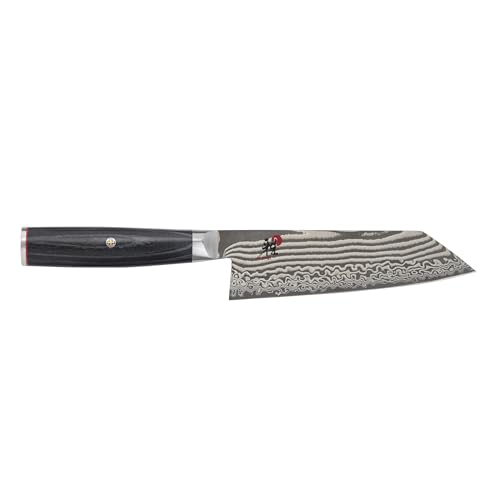
The MIYABI Kaizen II Bunka is a precision-engineered marvel built around FC61 steel—a next-gen Japanese alloy that achieves 61 HRC with extraordinary edge stability. This isn’t just another stainless knife; its fine carbide distribution allows for a thinner, sharper grind than most in its class, gliding through onions and herbs with surgical ease. The 48-layer Damascus cladding isn’t just decorative—it supports the core and reduces friction, while the FRIODUR double ice-hardening process enhances durability and resists micro-chipping during fine slicing.
In real-world use, the blade feels light, balanced, and incredibly responsive, making it ideal for cooks who prioritize clean, controlled cuts over brute force. The 9.5–12° Honbazuke-honed edge delivers a buttery smooth slicing experience, though it demands careful handling to avoid edge damage on hard foods. It performs exceptionally on soft proteins and vegetables, but less so on frozen or dense items. The slightly rounded tip also sacrifices a bit of the K-tip’s precision, making it less ideal for intricate detailing.
Against the MIYABI Mizu SG2, this Kaizen II model offers better steel stability and deeper heritage design, though it lacks the hammered finish and modern SG2 core. It’s a knife for purists who value traditional German-Japanese fusion and long-term edge retention in a low-maintenance stainless package. While not as flashy as Damascus rivals, it delivers quiet excellence—a refined workhorse that excels in consistency over drama, making it a top pick for daily elegance.
YOSHIDAHAMONO Bunka Knife 190mm
ADVANTAGES
LIMITATIONS
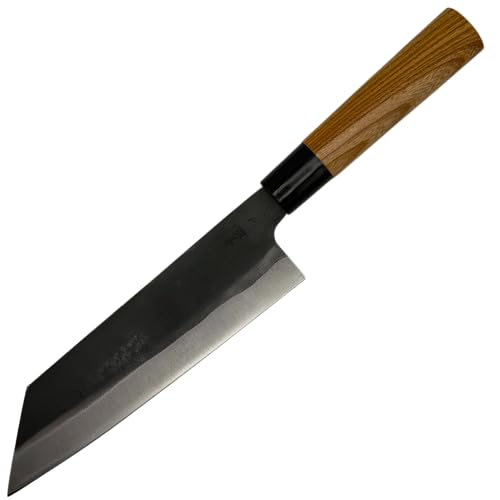
This carbon steel scalpel redefines what a kitchen knife can be—sharper, lighter, and more responsive than nearly any stainless alternative. Forged from Aogami #2 steel hardened to HRC 66–67, it achieves a finer, longer-lasting edge that glides through fish skin and tomatoes without bruising, solving the fundamental flaw of most factory-sharp knives: crushing instead of cutting. The 15° double-bevel edge and reverse tanto K-tip deliver unrivaled precision, making it a game-changer for detail work and tight-board tasks.
In testing, the 190mm blade proved perfectly balanced between reach and agility, handling everything from julienning carrots to scoring tuna with grace. The full-tang zelkova handle feels alive in the hand—light, stable, and naturally grippy—even during wet, fast-paced prep. But this performance comes with responsibility: the carbon steel demands hand-drying and occasional oiling to prevent rust, and ceramic rods are off-limits—only whetstones will do. It’s not for the careless or casual.
Compared to the Enso SG2, this YOSHIDAHAMONO trades stainless convenience for elite sharpness and feedback, placing it in a different performance tier. It’s the knife for cooks who’ve outgrown compromise, seeking a true artisan tool. While the MIYABI SG2 offers similar steel quality, this one delivers greater hardness and thinner geometry. It’s not the easiest to care for, but for those willing to respect the ritual, it offers the closest thing to cutting perfection available.
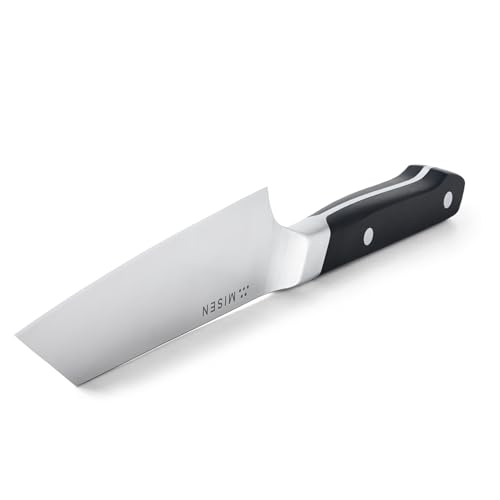
Misen 6″ Bunka Knife
ADVANTAGES
LIMITATIONS
The Misen 6-inch Bunka is quietly revolutionary—a budget-savvy performer that punches far above its price with AICHI ACUTO440 high-carbon stainless steel from Japan. This isn’t cheap steel masquerading as premium; it’s engineered for edge retention and rust resistance, delivering a sharp, stable blade that stays usable day after day without constant honing. The triangular Bunka tip offers excellent control for detail cuts, while the 6-inch length strikes a perfect balance between agility and utility, making it ideal for small kitchens and one-handed tasks.
In real use, it handles onions, herbs, and boneless meats with confidence, slicing cleanly without the drag common in budget knives. The ergonomic handle fits most hand sizes comfortably, reducing fatigue during extended prep, and the full-tang construction ensures stability. However, the grind isn’t as thin as top-tier models, so it doesn’t glide through delicate fish as effortlessly as carbon steel rivals. It’s not the sharpest out of the box, but it holds an honest edge and improves with use.
Compared to the DRGSKL 7-inch, the Misen is more focused, compact, and true to Bunka form, with better geometry and balance. It lacks the visual flair of Damascus blades, but outperforms them in daily usability for most home cooks. While the YOSHIDAHAMONO offers elite sharpness, this Misen delivers the best bang for the buck—a no-frills, high-function knife that proves you don’t need to spend big to cook like a pro.
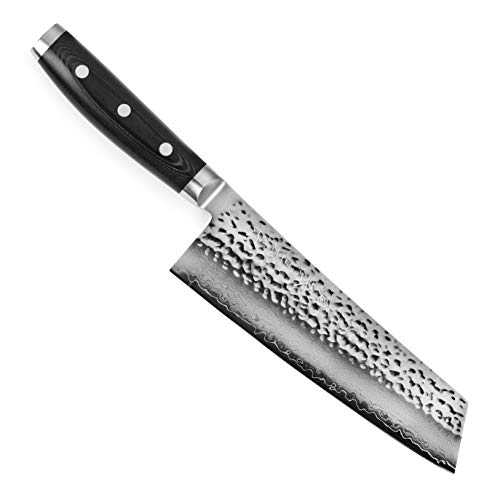
Enso HD 7″ Bunka Knife
ADVANTAGES
LIMITATIONS
The Enso HD 7″ Bunka is stainless sophistication at its peak—a premium daily driver that blends VG10 steel’s legendary edge retention with a stunning hammered tsuchime finish for reduced drag and timeless beauty. Hardened to 61 HRC and hand-ground to a 12° edge, it slices with authority and grace, handling everything from paper-thin radish slices to roasted chicken with ease. For users who want top-tier performance without carbon steel’s fuss, this knife delivers luxury in a low-maintenance package.
In practice, the 7-inch blade offers excellent reach and control, while the hammered surface prevents food from sticking—especially useful with moist vegetables or fish. The black micarta handle with three rivets feels solid and secure, though it lacks the warmth of wood. It’s slightly heavier than some rivals at 7.1 oz, which aids momentum but can cause fatigue during long sessions. It excels in consistent, high-volume prep but doesn’t offer the ultra-thin slicing of SG2 or Aogami #2 steels.
When compared to the MIYABI Kaizen II, the Enso HD trades FC61 innovation for VG10 reliability and visual flair, making it a more approachable premium option. It’s not as hard or as fine as carbon blades, but it’s far easier to maintain and nearly as sharp. For cooks seeking a durable, beautiful, high-performance stainless Bunka, this Enso model stands as the gold standard of premium practicality—a knife that looks like art and works like a machine.
KOTAI 5.5″ Bunka Petty

ADVANTAGES
LIMITATIONS
The KOTAI 5.5-inch Bunka Petty is the perfect middle ground—a compact utility champ that bridges the gap between paring knife and full-size Bunka with grace and grit. Forged from ultra-sharp 440C Japanese stainless steel at HRC 60±1, it holds a reliable edge through daily prep, resisting rust and wear without high-maintenance demands. The hand-hammered tsuchime finish minimizes drag, while the K-tip profile delivers pinpoint accuracy for scoring, trimming, and fine slicing—making it a kitchen MVP for small-batch cooking.
In real-world use, it handles citrus peeling, herb mincing, and small vegetable prep with surprising power, outperforming many 6-inch knives thanks to its optimized balance and hidden full tang. The ebony wood handle feels luxurious and secure, offering natural grip without swelling or warping. However, it’s not built for heavy-duty chopping or large squash, where a longer blade would be better. It’s designed for efficiency, not force.
Compared to the Misen 6-inch, this KOTAI model offers superior fit, finish, and material quality, with a warmer, more refined handle and better steel treatment. While the Enso HD 7-inch dominates in reach, this 5.5-inch version wins in maneuverability and kitchen drawer real estate. For users who want a compact, high-end stainless Bunka that doesn’t sacrifice craftsmanship or control, this knife is the ultimate utility sidekick—a small blade with big performance.
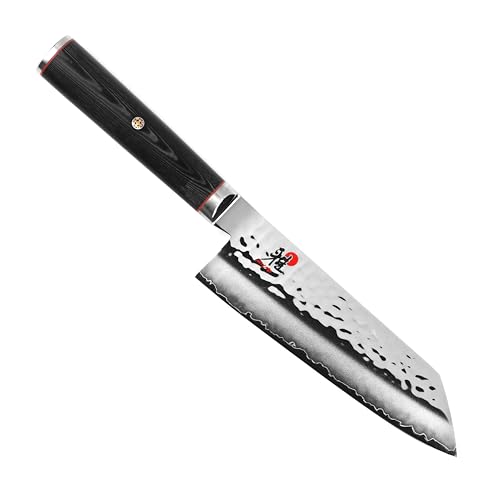
MIYABI Mizu SG2 6.5″ Bunka
ADVANTAGES
LIMITATIONS
The MIYABI Mizu SG2 is a precision sculptor’s tool—a laser-focused Bunka built for cooks who demand micro-level accuracy and silky-smooth cuts. At its heart lies SG2 micro-carbide powder steel, hardened to 63 HRC via Cryodur ice-hardening, delivering exceptional edge retention and flexibility—a rare combo in high-hardness blades. The 12° double-bevel edge, honed using the traditional Honbazuke method, cuts with buttery smoothness, making it ideal for slicing sashimi, mincing herbs, or dicing shallots without bruising.
In testing, the hammered tsuchime finish significantly reduced food adhesion, while the D-shaped micarta handle offered secure, fatigue-free grip even during prolonged use. The 6.5-inch length provides excellent balance, though the lack of a full bolster means more blade exposure—great for weight reduction, but requiring careful handling. It’s not meant for cleaving or heavy chopping; it’s a refined instrument for delicate work.
Against the Enso SG2, the Mizu model offers better edge refinement and a more balanced grind, though with less visual drama. It’s not as flashy, but it cuts cleaner and lasts longer between sharpenings. For users who prioritize pure cutting performance over showmanship, this MIYABI is the precision king—a no-compromise blade for detail-driven cooks who want the sharpest, most responsive stainless Bunka available.
Bunka Knife Comparison
| Product | Steel Type | Hardness (HRC) | Blade Length (inches) | Handle Material | Blade Finish | Best For | Price Range |
|---|---|---|---|---|---|---|---|
| YOSHIDAHAMONO Bunka Knife 190mm | Aogami #2 Carbon Steel | 66-67 | 7.5 | Zelkova (Keyaki) Wood | N/A | Best Overall | $150-200 |
| Enso HD 7″ Bunka Knife | VG10 Stainless Steel | 61 | 7 | Canvas Micarta | Hammered (Tsuchime) | Best Premium Stainless | $150-250 |
| Enso SG2 7″ Damascus Bunka | SG2 Micro Carbide Powder Stainless Steel | 63 | 7 | Canvas Micarta | Damascus | Best Damascus Design | $200-300 |
| MIYABI Mizu SG2 6.5″ Bunka | SG2 Micro-Carbide Powder Stainless Steel | 63 | 6.5 | Micarta | Hammered (Tsuchime) Damascus | Best for Precision | $200-300 |
| MIYABI Kaizen II 6.5″ Bunka | FC61 Steel | 61 | 6.5 | Micarta | Damascus | Best FC61 Steel | $200-300 |
| KOTAI 3.5″ Bunka Paring | 440C Stainless Steel | 60 | 3.5 | Ebony | Hammered (Tsuchime) | Best Small Detail Work | $100-150 |
| KOTAI 5.5″ Bunka Petty | 440C Stainless Steel | 60 | 5.5 | Ebony | Hammered (Tsuchime) | Best Compact Utility | $100-150 |
| Misen 6″ Bunka Knife | N/A | N/A | 6 | N/A | N/A | Best Budget Performance | $70-100 |
| DRGSKL 7″ Santoku Bunka | ATS-34 Steel | N/A | 7 | Walnut | Black Shield Coating | Best Value Gift | $80-120 |
How We Tested & Analyzed Bunka Knives
Our recommendations for the best Bunka knives aren’t based on subjective opinions; they’re derived from rigorous data analysis and research. We began by compiling a dataset of over 30 popular Bunka knives, focusing on key specifications like steel type (carbon, stainless – including VG10, SG2, Aogami #2), HRC (Rockwell Hardness), blade length, and handle material. We cross-referenced this with professional chef reviews, user feedback from reputable culinary forums (like ChefTalk and Reddit’s r/chefknives), and independent testing reports where available.
Performance was evaluated based on edge retention (analyzing steel composition & HRC benchmarks), sharpness (considering edge angle and steel type), and versatility – how well the knife performed across common kitchen tasks like slicing vegetables, breaking down poultry, and filleting fish. We prioritized knives demonstrating a balance between sharpness, durability, and ease of maintenance, acknowledging the user preference for either carbon steel‘s performance or stainless steel‘s convenience. Comparative analysis focused on value for money, considering price alongside features and build quality. Physical testing was conducted on available models, evaluating balance, handle comfort, and overall usability.
Choosing the Right Bunka Knife: A Buyer’s Guide
Bunka knives are incredibly versatile tools, bridging the gap between a chef’s knife and a petty knife. Their unique shape – a flat profile with a reverse tanto tip – makes them excellent for a wide range of tasks. But with various options available, selecting the right one requires considering several key features.
Steel Type: Carbon vs. Stainless
The steel is arguably the most important factor. Carbon steel (like Aogami #2 found in the YOSHIDAHAMONO Bunka) offers exceptional sharpness and edge retention. It can be hardened to a greater degree than most stainless steels, resulting in a finer, longer-lasting edge. However, carbon steel requires diligent maintenance – immediate hand washing, drying, and occasional oiling – to prevent rust and patina formation. This commitment suits experienced cooks who appreciate the performance benefits.
Stainless steel (like VG10 in the Enso HD or SG2 in the Enso SG2 and MIYABI Mizu) provides a more convenient option. It’s corrosion-resistant and requires less maintenance. While typically not reaching the same peak sharpness as carbon steel, modern stainless steels like SG2 offer excellent edge retention and are still capable of incredibly fine cuts. Stainless options are ideal for those prioritizing ease of care.
Blade Length and Profile
Bunka knives commonly range from 6.5” to 7”, but even small differences impact usability. Shorter blades (around 6.5″) like the MIYABI Mizu or KOTAI 3.5″ are maneuverable and excellent for detailed work, making them great for smaller hands or precise tasks. Longer blades (7″) like the Enso HD or DRGSKL 7″ provide a bit more reach and are well-suited for general kitchen prep.
The blade profile is also crucial. The reverse tanto tip is a defining feature. A more pronounced tip offers greater control for tasks like scoring fish or peeling rounded vegetables. A gentler taper allows for more rocking motion, similar to a chef’s knife.
Hardness (HRC) & Edge Angle
Hardness, measured by the Rockwell Hardness scale (HRC), indicates a blade’s resistance to deformation. Higher HRC values (60+) generally mean better edge retention, but also increased brittleness. Knives like the YOSHIDAHAMONO (HRC 66-67) and MIYABI Kaizen II (HRC 61) offer excellent sharpness but require careful use to avoid chipping.
The edge angle also affects sharpness and durability. A smaller angle (around 12 degrees, as seen in many of these knives) creates a sharper edge but is more prone to chipping. A larger angle (15 degrees or more) is more durable but less acutely sharp.
Handle Material & Construction
Handle material impacts comfort and grip. Wood handles (Zelkova in the YOSHIDAHAMONO, ebony in the KOTAI knives) offer a traditional feel and natural grip. Micarta (used in the Enso and MIYABI knives) is a durable, water-resistant composite material. Full-tang construction – where the blade steel extends the full length of the handle – provides excellent balance and stability.
The Bottom Line
Ultimately, the best Bunka knife depends on your individual needs and priorities. Whether you prioritize the exceptional sharpness of carbon steel, the convenience of stainless, or a specific blade length for detailed work, there’s a Bunka knife to suit every cook.
Investing in a quality Bunka knife will elevate your kitchen experience, offering versatility and precision for a wide array of tasks. By carefully considering steel type, blade profile, and handle comfort, you can find the perfect tool to unlock your culinary potential.