History

  • German Knife-Making: A Legacy Of Precision

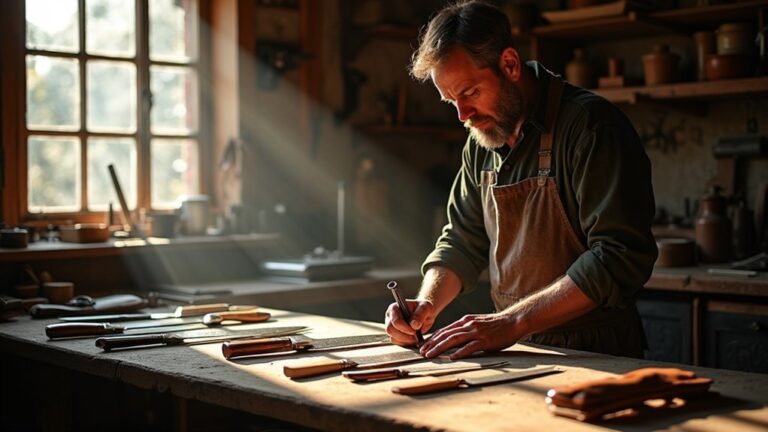
    German knife-making has a long and proud history. It began in Solingen, known as the “City of Blades.” Here, expert craftsmen make high-quality knives. They blend old methods with new technology for the best results.

    German kitchen knives are famous for their thick, balanced blades. These blades come from high-carbon stainless steel. This material ensures they last long and stay sharp. You can use them for all kinds of cooking tasks.

    Investing in a German knife means choosing precision and skill. Craftsmen have perfected their art over many years. There is so much to learn about this rich tradition.

  • The History Of Swiss Army Knives And Military Use

    Swiss Army knives started in the late 1800s for military use. Karl Elsener made the first knife in 1891. It had a single blade and a screwdriver. Later, Victorinox and Wenger became important makers. They introduced stainless steel in 1921. This made the knives more durable. Over time, different soldier knife models appeared. They changed to fit military needs better.

    After World War II, Swiss Army knives became popular. They are now essential tools for camping and survival. Their versatility appeals to many people. These knives represent a mix of practicality and history. Many enjoy their cultural significance today.

  • Ritual And Ceremonial Knives Across Cultures

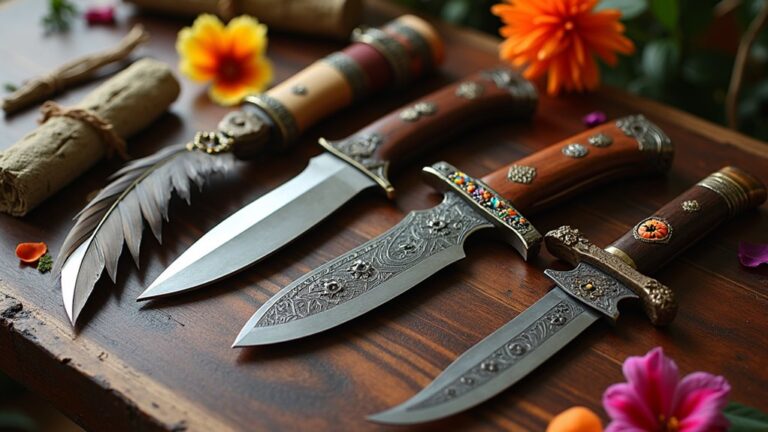
    Ritual and ceremonial knives are important in many cultures. They often have deep meanings. For Indigenous peoples like the Inuit and Native Americans, these knives connect them to nature and their ancestors. In Africa, knives are part of important life events, such as rites of passage. European cultures use ritual knives to show loyalty and identity.

    Each knife tells a unique story. They reflect the beliefs and skills of the people who make them. Many cultures still use these knives in modern ceremonies. They also hold artistic value, adding to their importance in daily life. These knives enhance connections to tradition and heritage.

  • Famous Historical Knifemakers And Their Contributions

    Famous historical knifemakers have made a big impact. Bo Randall is known for his handmade sporting knives. Ron Lake changed the game with his unique folding knife designs. Robert Loveless is famous for his high-quality craftsmanship and designs. Jim Bowie created the iconic Bowie knife, which changed close combat. These makers built the foundation for modern knife designs. Their work shows the evolution of knifemaking. Learning about their contributions helps us appreciate their legacy.

  • Japanese Knife Traditions And Their Global Influence

    Japanese knife traditions have a long and rich history. These knives have changed how people cook all over the world. They come from Japan and are famous for being very sharp and well-made.

    Different types of Japanese knives serve different purposes. The Yanagiba is perfect for slicing sushi. The Deba is great for filleting fish. Chefs everywhere admire their quality and design.

    Each knife holds a story. They show respect for food and the art of cooking. Japanese knives are not just tools. They are a part of culture and tradition.

    As you learn more about them, you’ll see how they have evolved. New designs and ideas continue to shape the future of these important kitchen tools.

  • How Knives Shaped Ancient Civilizations

    Knives have played a crucial role in shaping ancient civilizations by serving as vital tools for survival, warfare, and cultural expression. Their evolution from sharpened stones to advanced metalworking, particularly with bronze and copper around 3000 BCE, facilitated hunting, food preparation, and combat. Additionally, decorative knives served as symbols of wealth and social status. Further…

  • The History Of Knives: Humanity’s Oldest Tool

    Knives have played a crucial role in human history for over 2.5 million years, evolving from basic stone tools to advanced modern instruments crafted from materials like stainless steel. This evolution has significantly influenced various aspects of life, from cooking to outdoor activities. For those interested in a deeper understanding, further details about the development…