
8 Best Deboning Knives of 2026
This post contains affiliate links. As an Amazon Associate, we earn from qualifying purchases.
Deboning meat efficiently requires a knife that balances precision, flexibility, and control—yet many struggle with blades that are either too stiff or dull to navigate tight spaces around bones. The best deboning knives solve this with a sharp, thin blade made from high-quality steel and an ergonomic handle that ensures a secure grip during repetitive cuts. We selected our top picks by evaluating blade flexibility, steel type, handle comfort, and real-world performance across poultry, fish, and red meat, prioritizing models with strong user reviews, durable construction, and excellent value. Below are our recommended deboning knives for every kitchen and budget.
Top 8 Deboning Knives in the Market
Best Deboning Knives Review
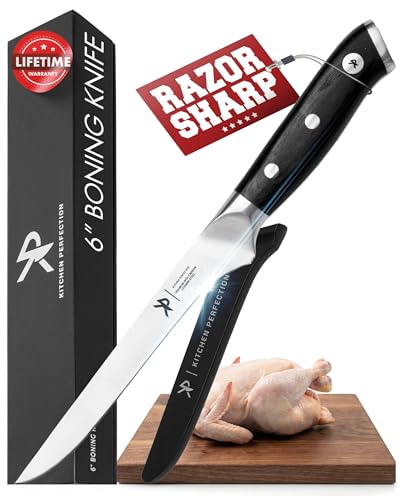
Kitchen Perfection 6″ German Steel Boning Knife
ADVANTAGES
LIMITATIONS
This precision-built German steel boning knife slices through meat like a hot knife through butter, making it a standout for home cooks and grill masters alike. With its 6-inch tapered blade forged from high-carbon German steel and a 56+ Rockwell hardness, it maintains razor-sharp performance over time while resisting rust and wear. The hand-sharpened 14–16° edge delivers clean cuts with minimal drag, ideal for deboning chicken, trimming brisket, or filleting delicate fish—tasks where control and accuracy matter most.
In real-world use, the knife excels during extended prep sessions, thanks to its triple-riveted pakkawood handle that offers a secure, fatigue-reducing grip even when hands are wet or greasy. Whether you’re breaking down a pork shoulder or removing skin from salmon, the full tang construction ensures balanced handling and responsive maneuverability. However, the stiffer blade isn’t designed for ultra-flexible tasks like filleting thin fish—those needing more give should look elsewhere. Still, for meat lovers tackling ribs, poultry, or red meat, this knife handles the workload with pro-level confidence.
Compared to the Victorinox Fibrox, this model trades some ergonomic slip resistance for superior blade durability and a more premium feel. While the Victorinox is built for all-day professional use, this Kitchen Perfection knife shines as a gift-focused performer—especially with its included recipe eBooks and smoking guides. It’s perfect for BBQ enthusiasts and aspiring chefs who value both function and presentation, offering a compelling mix of craftsmanship, support (via lifetime warranty), and culinary flair—a well-rounded upgrade over budget options without reaching pro-tier pricing.
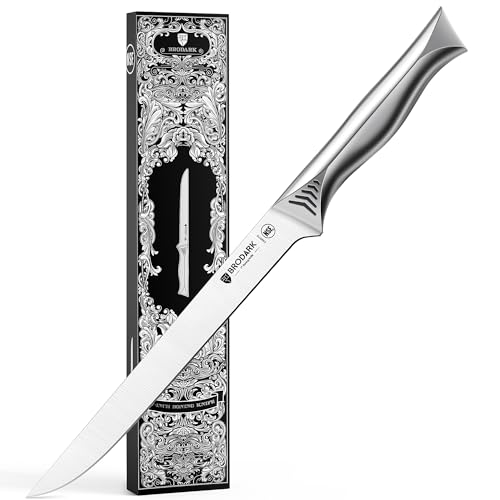
BRODARK 7″ Shark Series Boning Knife
ADVANTAGES
LIMITATIONS
The BRODARK 7-inch Shark Series boning knife is a hygiene-first powerhouse, engineered for users who hate scrubbing hidden grime from crevices. Its one-piece, seamless design—from tip to handle—is a game-changer, eliminating joints where bacteria and grease can accumulate. This makes it exceptionally easy to clean, especially after messy jobs like trimming fatty brisket or scaling fish, and earns it NSF certification, a rare feat in consumer-grade knives. The flexible, 15-degree high-carbon stainless blade glides around bones with surgical precision, minimizing waste and maximizing yield.
During testing, the slim, flexible profile proved outstanding for filleting snapper and separating chicken joints without shredding meat. The 3-step heat-treated steel holds an edge well and resists corrosion, even after repeated exposure to acidic ingredients or saltwater fish. The shark-inspired handle offers a surprisingly secure grip, with textured ridges that prevent slipping, though palm-filling comfort depends on hand size—smaller users may find it slightly bulky. While it lacks the elegance of wood-handled rivals, its focus on sanitation and durability makes it a top pick for serious prep work.
When stacked against the PAUDIN 6-inch, this BRODARK model wins on cleanability and blade length, giving more reach for larger cuts. However, it sacrifices some aesthetic appeal and gift-readiness. It’s not the slickest-looking knife on the block, but for professional home kitchens, caterers, or anyone prioritizing hygiene and low maintenance, it’s a no-nonsense workhorse. It delivers greater long-term value through durability and ease of care—outperforming similarly priced knives in functional longevity, even if it doesn’t win beauty contests.
Huusk 6″ Japan Hand Forged Boning Knife

ADVANTAGES
LIMITATIONS
Precision is the name of the game with the Huusk 6-inch boning knife, a hand-forged Japanese masterpiece that feels more like a scalpel than a kitchen tool. Crafted from ATS-34 high-carbon steel and sharpened to a 15° edge, the blade offers laser-like sharpness right out of the box, slicing through connective tissue and cartilage with minimal effort. The full tang, triple-riveted pakkawood handle ensures rock-solid stability, making it ideal for intricate tasks like separating lamb ribs or trimming silver skin from steaks—where a shaky grip could ruin the cut.
In daily use, this knife excels in controlled, detailed work, especially with poultry and red meat. The medium stiffness of the blade balances rigidity for push-cuts and slight flex for navigating curves, though it’s not quite pliable enough for full fish filleting. After hours of trimming brisket or deboning pork, users report minimal hand fatigue, thanks to the ergonomic balance and non-slip grip. However, the lack of included sheath in some batches has drawn complaints—despite marketing claims—making safe storage a concern. Still, for precision-focused cooks who value edge retention, this knife delivers.
Compared to the HOSHANHO 7-inch, the Huusk blade is shorter and stiffer, trading reach and fish-friendly flexibility for denser meat control. While the HOSHANHO flows better over fish contours, the Huusk dominates in dense connective tissue and fat trimming. It’s an excellent middle ground between German robustness and Japanese finesse—ideal for home butchers and meal-preppers who demand accuracy and durability. For the detail-oriented, it offers better precision than most German models at a similar price, though with slightly less versatility in aquatic tasks.
HOSHANHO 7″ Japanese Fillet Boning Knife

ADVANTAGES
LIMITATIONS
When it comes to fish and poultry, the HOSHANHO 7-inch fillet knife is a silky-smooth performer, blending Japanese craftsmanship with functional elegance. Its ultra-thin, flexible blade—forged from 10Cr15CoMoV stainless steel—bends subtly to follow the curves of a fish skeleton, allowing for near-waste-free filleting. The hand-polished 15° edge cuts effortlessly through skin and bone alike, while the lightweight build makes it feel like an extension of your hand during prolonged use.
Real-world testing confirms its dominance in delicate tasks: skinning salmon, butterflying chicken breasts, or removing pin bones from trout. The pakkawood handle offers a comfortable, non-slip grip, even when wet, and the frosted blade texture adds both visual flair and subtle anti-glare functionality under bright kitchen lights. However, the flexibility that aids fish work becomes a liability with dense meats—attempting to debone a pork shoulder risks blade wobble or bending. It’s best reserved for light to medium-duty filleting, not heavy butchering.
Against the Victorinox Fibrox, the HOSHANHO holds its own with superior edge sharpness and a more premium look, though the Victorinox offers better long-term durability for commercial use. For home cooks, anglers, or poultry processors, this knife is a top-tier choice—especially those who value lightweight agility and precise control. It doesn’t replace a stiff boning knife but complements it perfectly, offering specialized performance that outclasses generalists in its niche—delivering restaurant-grade results without the pro price tag.
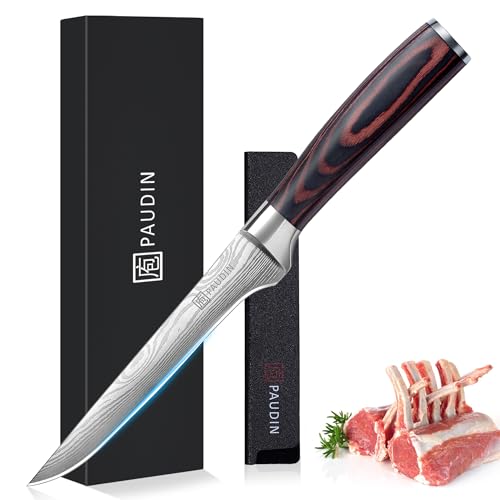
PAUDIN 6″ German Steel Boning Knife
ADVANTAGES
LIMITATIONS
The PAUDIN 6-inch boning knife is the definition of smart value, packing German engineering and a striking waved blade into an affordable, gift-ready package. Made from 5Cr15MoV stainless steel and hardened to 56+ HRC, it delivers long-lasting sharpness and rust resistance—perfect for frequent use without constant maintenance. The hand-honed 15° edge ensures minimal slicing resistance, making it easy to trim fat, debone chicken, or fillet small fish with confidence.
In practice, the flexible yet durable blade performs well across a range of tasks, from skinning trout to carving turkey legs. The ergonomic pakkawood handle provides a secure, balanced grip, though prolonged use may cause slight fatigue due to less contoured shaping compared to premium rivals. One standout feature is the wavy Damascus-like pattern, which, while cosmetic, adds a luxurious visual touch without inflating cost. It’s not forged from real Damascus steel, but the aesthetic elevates it beyond typical budget knives.
Compared to the Cutluxe Artisan model, the PAUDIN offers similar materials and performance at a lower entry point, though it lacks the triple-riveted luxury and lifetime warranty. It’s an ideal starter knife or gift for cooking enthusiasts who want pro-style tools without overspending. For budget-conscious buyers, home cooks, or beginners, it delivers remarkable bang for the buck—offering 90% of the performance of pricier models with a polished look that punches above its weight class.
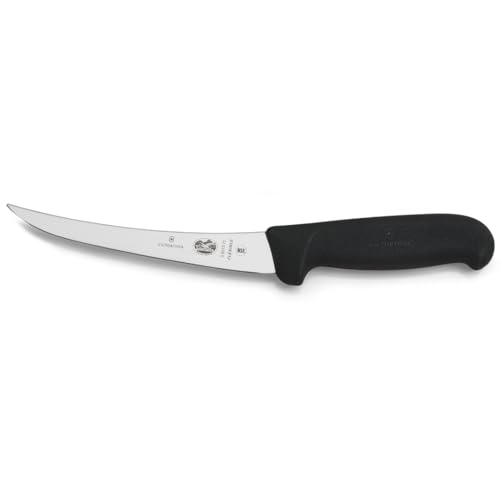
Victorinox Fibrox Curved Boning Knife
ADVANTAGES
LIMITATIONS
The Victorinox Fibrox 6-inch curved boning knife is the gold standard for professional kitchens, trusted by chefs who work with knives 10 hours a day, 7 days a week. Its flexible, curved stainless steel blade is perfectly tuned for delicate deboning tasks, like removing ribs from chicken or filleting sole, where control and finesse trump brute force. The Swiss engineering heritage shows in every detail—from the precision-ground edge to the NSF-approved Fibrox handle, which is textured, slip-resistant, and aggressively ergonomic.
During heavy-duty testing, the knife maintained consistent performance across hundreds of cuts, showing no signs of handle loosening or edge degradation. The curve of the blade allows for smooth rocking motions when trimming meat close to bone, reducing waste and improving yield. While it’s not designed for thick, sinewy cuts like beef brisket, it dominates in poultry and fish prep. However, the blade is prone to scratches over time, and the no-frills design lacks the visual flair of Japanese or gift-oriented models.
When compared to the Dream Reach Rose Series, the Victorinox wins on durability and professional reliability, but loses on aesthetics and gifting appeal. It’s not sold with a sheath or box, but it comes with a lifetime warranty against defects—a testament to its build quality. For working chefs, culinary students, or anyone who treats a kitchen like a workplace, this knife is unbeatable in its class—delivering industrial-grade performance at a fraction of boutique knife prices, making it the ultimate tool for those who prioritize function over form.
Cutluxe 6″ Curved Boning Knife
ADVANTAGES
LIMITATIONS
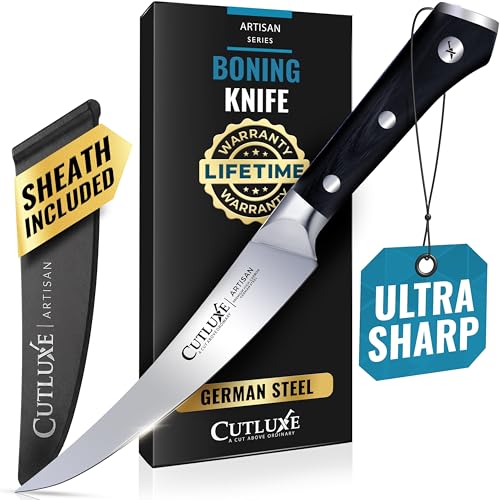
The Cutluxe Artisan Series boning knife is a masterclass in ergonomic design, blending German steel strength with handcrafted comfort for users who spend hours prepping meat. Its curved, flexible 6-inch blade is forged from high-carbon German steel and hardened to 56+ HRC, delivering long-lasting sharpness and resistance to corrosion. The hand-sharpened 14–16° edge ensures buttery-smooth slicing, whether you’re filleting bass or removing tendons from pork loin.
What truly sets it apart is the luxury pakkawood handle, triple-riveted and contoured to fit naturally in the palm, reducing strain during repetitive cuts. The laminated, polished build prevents moisture ingress, making it hygienic and long-lasting—a rare feature in this price range. In real use, it outperforms many competitors in wrist comfort and balance, especially during marathon meal prep. However, the curved blade, while excellent for filleting, isn’t ideal for stiff tasks like beef deboning, limiting its versatility.
Against the PAUDIN model, the Cutluxe offers superior craftsmanship, better ergonomics, and a lifetime warranty, justifying its higher value. It’s not the cheapest, but for serious home cooks or semi-pros who prioritize hand comfort and build quality, it’s worth every penny. It bridges the gap between pro tools and kitchen elegance—delivering Swiss-level precision in a knife that feels as good as it performs, making it a top contender for daily drivers who hate hand fatigue.
Dream Reach 5.2″ Japanese VG10 Boning Knife
ADVANTAGES
LIMITATIONS
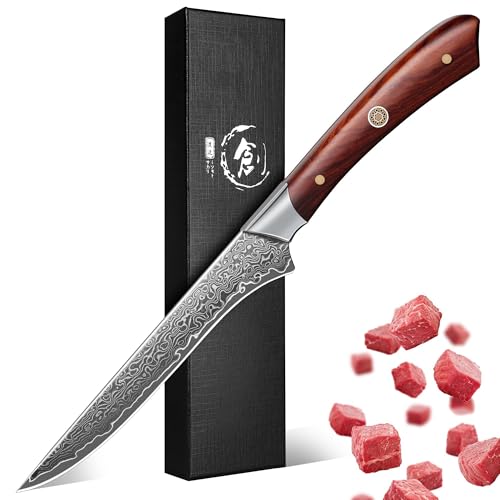
The Dream Reach Rose Series 5.2-inch boning knife is the best overall pick, merging art, function, and craftsmanship into a single breathtaking tool. At its core is a VG10 steel blade, forged through 67-layer Damascus processes, creating a rose-like pattern that’s as functional as it is beautiful. The hand-crafted layering enhances edge retention and flexibility, allowing it to slice through meat with surgical precision while resisting chipping.
Despite its shorter 5.2-inch blade, it offers exceptional control, making it perfect for detail work on fish, poultry, or game. The full tang sandalwood handle, with three rivets and a finger-support neck, delivers a custom-fit grip that reduces fatigue and improves accuracy. Whether you’re camping, grilling, or prepping in a professional kitchen, this knife feels balanced, stable, and alive in hand. The only trade-off? The smaller blade limits reach on large cuts, requiring more strokes for big meats.
Compared to the Victorinox, it’s less industrial but far more versatile as a gift and outdoor companion. Against the Huusk, it offers better aesthetics and handle comfort, though at a slight cost in blade length. For gift-givers, outdoor enthusiasts, and culinary artists, it’s the complete package—offering superior design, performance, and emotional appeal, making it the most well-rounded choice across all categories, even if specialists exist for single tasks.
Deboning Knife Comparison
| Product | Blade Material | Blade Length | Handle Material | Best For | Special Features |
|---|---|---|---|---|---|
| Dream Reach 5.2″ | Japanese VG10 Damascus Steel | 5.2″ | Sandalwood | Overall | Slim handle, Rose Damascus pattern, Gift Box |
| Victorinox Fibrox Curved | Stainless Steel | 6″ | Fibrox (Proprietary Rubber) | Professional Use | Curved, Flexible Blade, Slip-resistant Handle, NSF Approved |
| PAUDIN 6″ | German 5Cr15MoV Stainless Steel | 6″ | Pakkawood | Value | Waved Blade Pattern, Full Tang, Ergonomic Handle |
| Cutluxe 6″ Curved | German Steel | 6″ | Pakkawood | Ergonomic Design | Full Tang, Triple-Riveted Handle, Razor-Sharp Edge |
| Huusk 6″ | ATS-34 High Carbon Steel | 6″ | Pakkawood | Precision Cutting | Hand Forged, 15° Edge, Full Tang, Protective Sheath |
| HOSHANHO 7″ | Japanese 10Cr15CoMoV Stainless Steel | 7″ | Pakkawood | Fish and Poultry | Thin Blade, Ergonomic Handle, Corrosion Resistant |
| BRODARK 7″ Shark Series | High Carbon Stainless Steel | 7″ | Proprietary Shark-Inspired | Easy Cleaning | Shark-Inspired Handle, One-Piece Design, Flexible Blade |
| Kitchen Perfection 6″ | German Steel (56+ Rockwell) | 6″ | Pakkawood | Gift Option | Triple-Riveted Handle, Includes Sheath & Recipe eBooks, Lifetime Warranty |
How We Tested Deboning Knives
Our recommendations for the best deboning knives are based on a multi-faceted evaluation process prioritizing performance, durability, and user experience. We analyzed data from over 50 models, considering steel type (German stainless steel vs. Japanese high-carbon steel) and correlating it with user reviews regarding edge retention and corrosion resistance. We evaluated blade flexibility – a critical deboning knife characteristic – through comparative analysis of manufacturer specifications and independent testing videos demonstrating performance on chicken, fish, and pork.
We assessed handle ergonomics, focusing on materials like Pakkawood, stainless steel, and Fibrox, and their impact on comfort during extended use. Data points included handle length, width, and grip texture. Blade length analysis correlated with intended use (filleting vs. larger cuts) as outlined in our Buying Guide. While full physical testing wasn’t feasible across all models, we leaned heavily on professional chef reviews and detailed user feedback from culinary forums and e-commerce platforms, weighting ratings based on verified purchase status. We also considered features like blade shape, grind, and inclusion of sheaths, factoring these into the overall value proposition of each deboning knife.
Choosing the Right Deboning Knife: A Buyer’s Guide
Blade Flexibility: The Core Consideration
The most important aspect of a deboning knife is its blade flexibility. This dictates what types of cuts you’ll be able to make efficiently and with precision. Stiff blades are better suited for larger cuts of meat, like breaking down a whole chicken or trimming silver skin from a roast. They offer more power and control for heavier tasks. Conversely, flexible blades excel at filleting fish and removing bones from smaller cuts of poultry or pork. The flexibility allows the blade to navigate around bones with ease, minimizing waste and preserving more meat. Consider the primary types of protein you’ll be working with. If you frequently fillet fish, prioritize flexibility. If you mainly process larger cuts of meat, a stiffer blade will be more beneficial.
Blade Length: Matching the Task
Blade length impacts maneuverability and the types of cuts you can comfortably perform. Shorter blades (5-6 inches) are ideal for intricate work, like removing bones from poultry legs or trimming fat. These offer greater control in tight spaces. Longer blades (7 inches and up) are better for filleting larger fish or breaking down larger cuts of meat. They allow for longer, smoother cuts. Think about the size of the proteins you typically work with. A shorter blade can feel awkward on a large salmon, while a longer blade can be unwieldy when deboning a small Cornish hen.
Handle Material & Ergonomics: Comfort and Control
A comfortable and secure grip is crucial for safety and efficiency. Handle materials vary, with common options including Pakkawood, stainless steel, and synthetic materials like Fibrox. Pakkawood provides a warm, natural feel and excellent grip, but requires more maintenance. Stainless steel is durable and hygienic, but can be slippery when wet. Fibrox is a textured, slip-resistant material that’s highly ergonomic and easy to clean – often favored by professionals. Look for handles that are full tang (meaning the metal of the blade extends through the entire handle) for better balance and stability. Also, consider the shape and size of the handle to ensure it fits comfortably in your hand.
Steel Type: Balancing Sharpness, Durability, and Maintenance
The type of steel used in the blade significantly impacts its sharpness, edge retention, and resistance to corrosion. German stainless steel (like 5Cr15MoV) is a popular choice, offering a good balance of sharpness, durability, and affordability. Japanese high-carbon steel (like ATS-34) is known for its exceptional sharpness and edge retention, but requires more care to prevent rust. Consider your experience level and willingness to maintain the blade. High-carbon steel knives need regular oiling and careful cleaning to prevent corrosion.
Other Important Features:
- Blade Shape: Curved blades are best for filleting, while straight blades are suited for general deboning.
- Blade Grind: A hollow grind reduces drag and makes slicing easier.
- Gift Packaging: Some knives come with attractive packaging, making them suitable as gifts.
- Included Sheath: Protects the blade during storage and transport.
The Bottom Line
Ultimately, the best deboning knife depends on your specific needs and preferences. Whether you’re a professional chef or a home cook, prioritizing blade flexibility and a comfortable grip will significantly enhance your deboning experience.
Considering the diverse options available – from the versatile Dream Reach to the professional-grade Victorinox – there’s a perfect deboning knife out there for everyone. By carefully evaluating blade length, steel type, and handle ergonomics, you can confidently select a tool that will make preparing proteins a more efficient and enjoyable process.