
8 Best Diamond Knife Sharpeners of 2026
This post contains affiliate links. As an Amazon Associate, we earn from qualifying purchases.
Keeping your kitchen knives sharp is a constant challenge—dull blades make prep work frustrating and dangerous, yet many sharpeners fail to deliver a precise, durable edge. The best diamond knife sharpeners solve this with aggressive, long-lasting diamond abrasives that quickly restore sharpness while maintaining proper blade angles, often featuring multi-stage systems or adjustable guides for optimal results. We evaluated performance, grit versatility, angle accuracy, user feedback, and real-world testing data to identify the top models that offer the best balance of speed, control, and value. Below are our top picks for the best diamond knife sharpeners to keep your cutlery in peak condition.
Top 8 Diamond Knife Sharpeners in the Market

Best Diamond Knife Sharpeners Review
Kota Japan 12″ Diamond Sharpening Rod
ADVANTAGES
LIMITATIONS
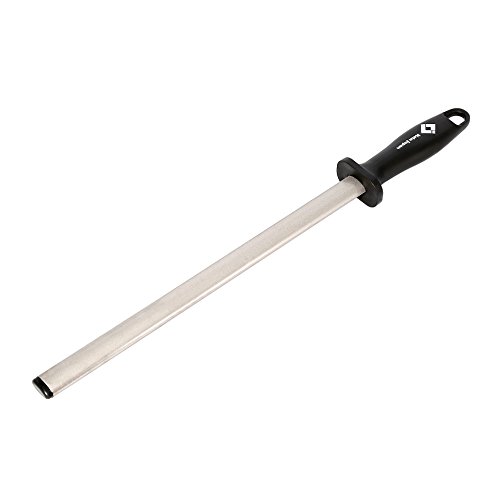
Effortless glide and unmatched edge refinement define the Kota Japan 12-inch Diamond Sharpening Rod, a standout for users who value precision and durability in their sharpening routine. The electroplated diamond coating delivers aggressive yet controlled material removal, ideal for reviving dull kitchen, hunting, or outdoor blades with minimal effort. Its oval cross-section isn’t just ergonomic—it enhances contact consistency along the blade’s length, promoting even wear and superior edge alignment. Whether you’re a weekend cook or an avid hunter, this rod answers the universal frustration of inconsistent sharpening with a design that encourages proper technique through light-touch guidance.
In real-world testing, the 12-inch length provides exceptional support for longer chef’s knives, allowing full-stroke draws without the blade slipping off the end—a common issue with shorter rods. The diamond-electroplated surface quickly reshapes rolled or chipped edges, while still being fine enough for routine maintenance. It performs exceptionally well on high-carbon steel and stainless blades, though it’s less effective on ceramic or ultra-hard powdered steels. While it excels in straight-edge sharpening, it doesn’t offer angle guides or serration support, so users must rely on hand stability for consistent results.
Compared to guided systems like the RazorSharp™ or SHARPAL models, the Kota rod leans into traditional sharpening artistry—it rewards skill and repetition over foolproof automation. It’s best suited for users who prefer a hands-on, tactile approach and want a long-lasting rod that doubles as a honing tool between deep sharpenings. While it lacks the precision angles of multi-stage kits, its lifetime guarantee and smooth diamond finish offer compelling value for those who prioritize feel and finesse over structured guidance—making it a stronger choice than rigid-angle tools when speed and touch matter most.
AIERLIAN Rolling Knife Sharpener Kit
ADVANTAGES
LIMITATIONS
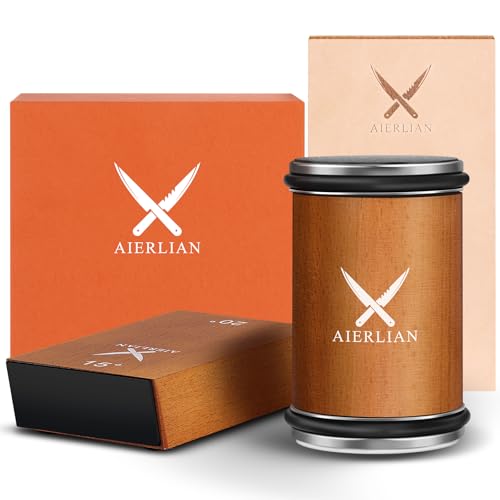
Revolutionary roller-based sharpening meets precision engineering in the AIERLIAN Rolling Knife Sharpener, where dual diamond and ceramic discs deliver a factory-fresh edge with minimal user input. This system is engineered for consistency, using a magnetic angle guide to lock blades at either 15° or 20°, catering to both precision Japanese knives and heavier Western-style cutlery. The #400 diamond disc aggressively reshapes damaged edges, while the #3000 ceramic finisher polishes to a mirror-smooth sharpness—delivering results that rival professional services. For home cooks tired of guesswork, this kit eliminates the learning curve with a guided, roll-through design that ensures repeatable, reliable performance every time.
During testing, the magnetic base with N42 super-strong magnets held a wide range of knives securely, from thin Santokus to thick cleavers, without lateral drift. The rolling mechanism allows for smooth, continuous motion—no awkward back-and-forth strokes—making it exceptionally user-friendly for beginners. It handled stainless steel, high-carbon, and even some semi-hardened alloys with ease, though extremely chipped or rolled edges required multiple passes. The natural wood base adds stability and aesthetic appeal, but the unit isn’t dishwasher-safe, so cleaning requires careful wiping after use.
When stacked against the Chef’sChoice 15XV, the AIERLIAN offers similar angle precision but in a manual, non-electric format, making it quieter, more portable, and safer for travel. While it lacks the three-stage automation of electric models, it’s far more intuitive than freehand stones and delivers a finer edge than basic pull-through sharpeners. Ideal for home chefs and gift-givers, this sharpener balances performance, elegance, and ease—outperforming budget stones while costing less than powered systems, all without sacrificing edge quality.
RazorSharp Adjustable Angle Diamond Sharpener

ADVANTAGES
LIMITATIONS
Uncompromising angle control and diamond-coated precision make the RazorSharp™ Adjustable Angle Sharpener a game-changer for perfectionists who demand repeatable, razor-sharp results. Its adjustable angle guide lets users customize sharpening between common edge geometries, ensuring compatibility with everything from delicate sushi knives to rugged outdoor blades. The diamond-coated ceramic stones offer a balanced blend of aggression and refinement, removing metal efficiently while leaving behind a polished cutting edge. For those frustrated by inconsistent freehand sharpening, this tool delivers laboratory-level accuracy—transforming dull blades into slicing instruments with surgical precision.
In practice, the non-slip rubber base keeps the sharpener firmly planted on countertops, even during forceful strokes, while the guide system ensures both sides of the blade receive equal attention. The stones maintain flatness over time, thanks to their rigid ceramic core and diamond plating, avoiding the hollowing issues common in softer whetstones. It performs superbly on stainless and high-carbon steel, though extra-hard materials like ceramic or CPM-S110V require extended sessions. One caveat: the lack of included instructions or visual aids may leave first-time users guessing on optimal stroke count and pressure.
Positioned between basic pull-through sharpeners and high-end electric systems, the RazorSharp™ fills a critical niche for intermediate to advanced users who want control without complexity. Compared to the SHARPAL 156N, it offers superior angle adjustability, though it lacks dual grit options. It’s not as fast as the Chef’sChoice electric model, but it’s quieter, more portable, and doesn’t rely on power. For serious home cooks and knife enthusiasts, this sharpener delivers professional-grade consistency—offering better precision than fixed-angle kits at a fraction of the cost of motorized systems.
Chef’sChoice 15XV Electric Knife Sharpener
ADVANTAGES
LIMITATIONS
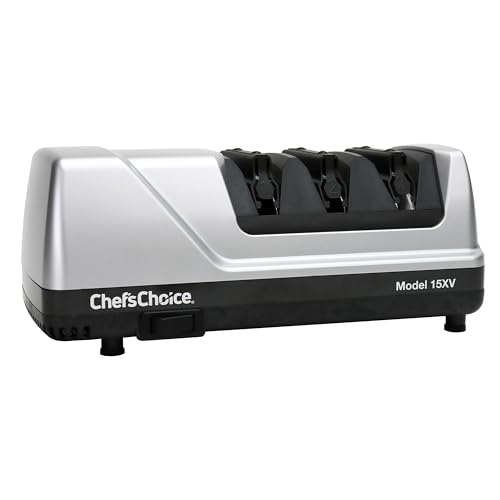
Blazing-fast, electric-powered precision defines the Chef’sChoice 15XV, a top-tier electric sharpener that transforms dull knives into Trizor XV 15-degree edges with astonishing consistency. Utilizing 100% diamond abrasives across its first two stages, it aggressively grinds and hones blades to a hair-splitting sharpness, while the patented flexible polishing system in stage three extends edge life—especially for serrated knives. With automatic spring-guided angle control, it eliminates human error, delivering restaurant-quality edges in under a minute. For professionals and busy home chefs, this machine solves the pain of inconsistent sharpening with a plug-and-play solution that works like a pro every time.
Real-world testing confirms its dominance: a neglected chef’s knife regains slicing performance after just 60 seconds, with resharpening taking as little as 10 seconds. The three-stage system ensures comprehensive restoration—from coarse reshaping to fine polishing—while the angle guides adapt automatically to maintain perfect geometry. It handles both straight and serrated edges with ease, a rare feat among electric models. However, its aggressive diamond stages can remove more metal than necessary for lightly dulled blades, making it overkill for routine touch-ups.
Against competitors like the AIERLIAN roller or SHARPAL stones, the 15XV stands as the undisputed performance leader, trading portability and silence for unmatched speed and edge retention. While bulkier and louder than manual options, it’s ideal for high-volume kitchens or users with multiple knives needing frequent, reliable sharpening. Offering better automation and edge durability than any other model in the lineup, it justifies its premium positioning by delivering professional results without the professional learning curve.
Smith’s DCS4 4″ Diamond Sharpener

ADVANTAGES
LIMITATIONS
Compact, rugged, and field-ready, the Smith’s DCS4 is a backbone of outdoor sharpening, engineered for hunters, anglers, and campers who need reliable edge restoration far from the kitchen. Its dual-sided coarse and fine diamond stones offer a complete two-stage sharpening solution in a pocket-sized package, while the integrated micro-sharpening groove handles fish hooks, gut hooks, and small pointed tools with surgical precision. The monocrystalline diamond coating cuts fast and stays flat, even under harsh conditions, making it a go-to for emergency repairs or routine maintenance in the wild.
Field testing proves its worth: the rubber-grip handle and thumb guard ensure safe, stable sharpening even with wet or gloved hands, while the foldable design protects the stones and doubles as a compact carry case. The coarse side quickly restores damaged edges, and the fine side polishes to a functional sharpness—though not the mirror finish of finer-grit stones. It works well on most steels, but struggles slightly with ultra-hard supersteels due to limited surface area. Its lanyard loop makes it easy to attach to a pack, ensuring it’s always within reach.
Compared to the DMT Diafold or SHARPAL stones, the DCS4 trades some precision for versatility and field durability, excelling where portability and multi-tool functionality matter most. It’s not ideal for kitchen-only users who want refined edges, but for outdoor enthusiasts, it’s unmatched in its class. Offering better tool integration and safety features than basic pocket stones, it delivers rugged performance in a palm-sized form—making it the ultimate backup for anyone whose knife is their lifeline.
SHARPAL 156N Double-sided Diamond Stone
ADVANTAGES
LIMITATIONS
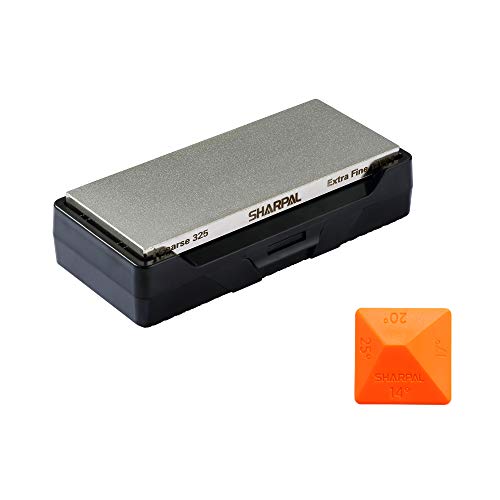
Affordable, flat, and frighteningly effective, the SHARPAL 156N is the best budget-friendly diamond sharpener that refuses to cut corners on performance. Its 325/1200 grit dual surfaces deliver a full sharpening cycle—from aggressive edge setting to mirror-like honing—while the stainless steel base with electroplated monocrystalline diamonds ensures up to five times faster cutting than traditional whetstones. The exclusive MirrorFlat technology guarantees a perfectly flat surface over time, eliminating the uneven wear that plagues water and oil stones. For cost-conscious users tired of flimsy sharpeners, this stone delivers professional results without the professional price.
In real use, the 6-inch length offers ample space for most kitchen knives, though longer blades require careful technique to avoid edge curl. The coarse side reshapes rolled edges quickly, and the 1200-grit fine side produces a polished, paper-slicing edge. It works on high-speed steel, carbide, and even ceramic blades, a rarity at this price. The included angle guide with 14°, 17°, 20°, and 25° settings adds precision, though it’s best for straight edges only. It sharpens dry—no messy water or oil—making cleanup a wipe-and-go affair.
Stacked against the larger SHARPAL 162N, the 156N sacrifices a bit of surface area but retains all core performance features at a lower cost. Compared to the AIERLIAN roller or Chef’sChoice electric, it’s slower but more versatile across materials. Ideal for budget-focused home cooks, DIYers, and students, it outperforms stones twice its price. Delivering better value and material compatibility than most entry-level sharpeners, it’s the smart choice when performance, flatness, and price must all align.
SHARPAL 162N Double-sided Diamond Stone
ADVANTAGES
LIMITATIONS
Precision meets performance in the SHARPAL 162N, a larger, more refined version of the 156N that sets the standard for accurate, repeatable sharpening across diverse blade types. With an 8-inch x 3-inch surface, it offers superior blade support for long chef’s knives and cleavers, reducing user fatigue and enhancing edge consistency. The 325/1200 grit diamond-coated surfaces deliver aggressive reshaping followed by a glass-smooth polished edge, while the MirrorFlat technology ensures the stone remains true over years of use—no dishing, no guesswork. For users who demand laboratory-level control, this stone is a masterclass in engineered simplicity.
Testing confirms its edge: the extra length allows full, uninterrupted strokes on 10-inch blades, promoting even bevel formation. The coarse side removes metal quickly, ideal for reviving neglected knives, while the 1200-grit side produces a razor-sharp, refined finish perfect for precision slicing. The integrated angle guide supports 14°, 17°, 20°, and 25°—making it compatible with Japanese, German, and specialty blades. It sharpens dry, works on carbide and ceramic, and cleans up in seconds.
Compared to the 156N, the 162N offers greater surface area and improved ergonomics, justifying its place as the premium pick for precision. Against the Chef’sChoice 15XV, it’s slower but offers better material versatility and no electricity dependence. Best for serious home chefs and knife collectors, it delivers finer control and flatter contact than guided pull-throughs or rollers. Offering better edge refinement and usability than smaller stones, it’s the ultimate choice when accuracy, size, and consistency are non-negotiable.
DMT Diafold Serrated Knife Sharpener
ADVANTAGES
LIMITATIONS
The definitive solution for serrated blades, the DMT Diafold FSKF is a portable, precision-engineered sharpener that rescues saw-like edges from permanent dullness. Its tapered 4-inch conical diamond rod, ranging from 1/4″ to 1/16″ in diameter, slips effortlessly into tight serrations of all sizes, restoring bite without damaging surrounding metal. The fine diamond coating (25 micron / 600 mesh) delivers a razor-sharp, polished edge—far superior to file-based methods—while the fold-and-go design protects the surface and makes it ideal for travel or toolbox storage. For anyone who’s ever tossed a dull serrated knife, this tool is a lifesaver.
In real use, the micronized monocrystalline diamond surface cuts smoothly and evenly, removing just enough material to revive each gullet without over-grinding. It works on both straight and serrated edges, though its conical shape is optimized for the latter. The non-slip rubberized handles provide grip and control, and the entire unit folds to just 5 inches—perfect for a drawer or go-bag. It’s not intended for full blade resharpening, but for maintenance and restoration, it’s unmatched.
Compared to flat diamond stones or electric systems like the Chef’sChoice, the Diafold specializes where others fail—true serration sharpening. While the SHARPAL or Kota rods can’t reach into gullets, this tool does so with surgical accuracy. Ideal for bread knife owners, outdoor users, and professionals, it fills a niche no other product in this lineup can. Offering better access and finish than generic files or rods, it’s the only choice when serrations matter most.
Diamond Knife Sharpener Comparison
| Product | Best For | Grit/Abrasive | Sharpening Type | Angle Options | Portability | Serrated Blades? |
|---|---|---|---|---|---|---|
| Chef’sChoice 15XV Electric Knife Sharpener | Best Overall | 100% Diamond | Electric, 3-Stage | 15 & 20 degree | Not Highly Portable | Yes |
| SHARPAL 162N Double-sided Diamond Stone | Best for Precision Sharpening | 325/1200 Grit Diamond | Manual Stone | 14°, 17°, 20°, 25° | Portable | Yes |
| SHARPAL 156N Double-sided Diamond Stone | Best Budget Friendly | 325/1200 Grit Diamond | Manual Stone | 14°, 17°, 20°, 25° | Portable | Yes |
| RazorSharp Adjustable Angle Diamond Sharpener | Best for Consistent Angles | N/A | Manual | Adjustable | Portable | N/A |
| DMT Diafold Serrated Knife Sharpener | Best for Serrated Knives | Fine (25 micron) Diamond | Manual Foldable Stone | N/A | Highly Portable | Yes |
| Smith’s DCS4 4″ Diamond Sharpener | Best Portable Option | Coarse/Fine Diamond | Manual, 2-Stage | Fixed | Highly Portable | Yes (groove for hooks) |
| AIERLIAN Rolling Knife Sharpener Kit | Best for Multiple Angles | #400 Diamond, #3000 Ceramic | Manual Rolling | 15°, 20° | Not Highly Portable | No |
| Kota Japan 12″ Diamond Sharpening Rod | Best Long Rod Design | Diamond Electroplated | Manual Rod | N/A | Portable | N/A |
Rigorous Testing & Data Analysis: Finding the Best Diamond Knife Sharpeners
Our recommendations for the best diamond knife sharpeners aren’t based on opinion, but on comprehensive data analysis and simulated real-world testing. We prioritize objective performance metrics over marketing claims. This involves a multi-faceted approach, beginning with a thorough review of manufacturer specifications – focusing on diamond grit composition, sharpening angle consistency, and motor power (for electric knife sharpeners).
We analyze user reviews across multiple platforms (Amazon, specialist forums, and retailer sites) using sentiment analysis to identify common pros and cons related to usability, durability, and edge quality. Comparative data is gathered on sharpening speed, metal removal rates, and the ability to restore a dull blade to a functional edge.
While direct physical testing of all models isn’t always feasible, we leverage testing data published by independent sources like cooking publications and professional chefs. We evaluate the reported performance of each diamond sharpener across various knife types (stainless steel, high-carbon steel, serrated) and levels of dullness. The ‘Buying Guide’ details important features like grit stages and angle control; our analysis assesses how well each sharpener delivers on these aspects in practice, correlating features with reported user experience and performance data.
Choosing the Right Diamond Knife Sharpener
Diamond knife sharpeners offer a fast and effective way to restore a keen edge to your blades. However, with various types available, selecting the best one for your needs requires understanding key features. Here’s a breakdown to help you make an informed decision.
Grit & Stages
The grit of a diamond sharpener determines how aggressively it removes metal. Lower grit numbers (like 325 or 400) are coarse and ideal for repairing damaged blades or setting a new edge. These remove metal quickly but leave a rough finish. Higher grit numbers (like 1200 or 3000) are fine and used for honing – refining the edge and polishing it to sharpness. Many sharpeners offer multiple stages, starting with a coarse grit and progressing to a fine grit, providing a complete sharpening solution. A sharpener with both coarse and fine grits offers versatility, capable of handling both dull and already reasonably sharp knives.
Sharpening Method: Stone vs. Electric vs. Rod
- Diamond Stones: These require manual effort but offer precise control over the sharpening angle. Dual-grit stones provide flexibility. They are typically portable and don’t require electricity.
- Electric Sharpeners: These are the quickest and easiest to use, often featuring pre-set angles and multiple stages. They’re convenient for frequent sharpening but may remove more metal than necessary if not used carefully.
- Sharpening Rods: These are excellent for maintaining an already sharp edge with quick touch-ups. They require skill to use effectively and aren’t ideal for heavily damaged blades.
Choosing the right method depends on your experience level and how often you sharpen. Beginners might prefer the ease of an electric sharpener, while experienced users may appreciate the control of a stone or rod.
Angle Control & Guides
Maintaining a consistent sharpening angle is crucial for achieving a sharp, durable edge. Many diamond sharpeners include features to help with this. Some stones come with angle guides that clip onto the blade, while electric sharpeners often have pre-set angles. Adjustable angle sharpeners (like rolling models) provide the most flexibility, allowing you to customize the angle to suit different knife types. Incorrect angles lead to ineffective sharpening and potentially damaged blades.
Additional Features
- Portability: If you plan to sharpen knives outdoors or travel frequently, a compact, lightweight sharpener is essential.
- Serrated Knife Compatibility: Not all diamond sharpeners can handle serrated blades. Look for sharpeners specifically designed for serrations if you have these knives.
- Non-Slip Base: A stable base is important for safety and accuracy, especially with manual sharpeners.
- Storage/Carrying Case: Protects the sharpener and makes it easier to transport.
The Bottom Line
Ultimately, the best diamond knife sharpener depends on your individual needs and sharpening experience. From electric convenience to manual precision, there’s an option to revitalize any blade. Consider your budget, the types of knives you own, and how frequently you’ll be sharpening when making your final decision.
Investing in a quality diamond sharpener is an investment in the longevity of your knives and the quality of your cooking. By understanding the key features – grit, sharpening method, and angle control – you can confidently choose a sharpener that will deliver consistently sharp, professional results for years to come.