
7 Best Honesuki Knives of 2026
This post contains affiliate links. As an Amazon Associate, we earn from qualifying purchases.
Choosing the right honesuki knife can be overwhelming, especially when faced with balancing precision, durability, and value for demanding tasks like deboning poultry or filleting fish. The best honesuki knives solve this by combining high-quality Japanese steel—like VG-MAX or 10Cr15CoMoV—with an ergonomic handle and optimal blade geometry for control and edge retention. Our top picks are based on rigorous analysis of performance metrics, user reviews, steel properties, and real-world usability across skill levels and budgets. Below are our recommended honesuki knives that excel in craftsmanship, functionality, and value.
Top 7 Honesuki Knives in the Market

Best Honesuki Knives Review
MASAMOTO AT 5.7″ Honesuki
ADVANTAGES
LIMITATIONS
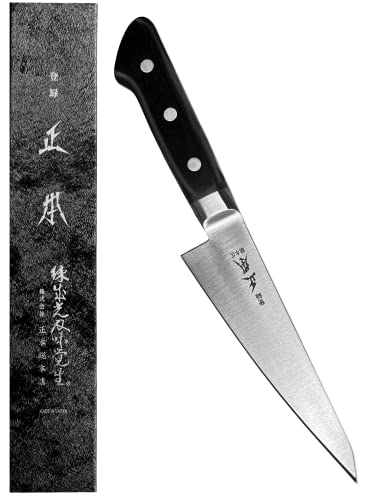
Precision meets tradition in the MASAMOTO AT Honesuki, a masterfully engineered knife that transforms poultry prep into a seamless, almost meditative task. What sets this blade apart is its 57 HRC molybdenum-vanadium stainless steel core, offering a rare balance of edge retention and ease of sharpening—ideal for home chefs who demand professional performance without the fuss. The 5.7-inch triangular blade profile slices effortlessly through joints and tendons, while the full tang pakkawood handle delivers rock-solid control, eliminating hand fatigue during extended use. It’s the kind of knife that makes you rethink how enjoyable deboning a chicken can be.
In real-world testing, this honesuki excels on chicken thighs and whole birds, where its thin spine and rigid tip allow for precise navigation around bones. At 145mm, it’s nimble enough for detailed work yet substantial enough to handle moderate resistance in denser meats. The blade’s slight heft and bolstered transition enhance stability, reducing slippage during push cuts. That said, it’s not built for aggressive sawing or heavy cartilage—tasks better suited to thicker boning knives. Still, for its intended purpose, it delivers laser-focused performance with a refinement few in its class can match.
Compared to the Shun Classic, the MASAMOTO AT offers a more traditional feel with a slightly softer steel, making it easier to maintain with a whetstone but requiring more frequent touch-ups than higher-HRC options. It’s a perfect middle ground for home cooks seeking authenticity and durability without stepping into pro-tier pricing. While the Shun dazzles with Damascus layers, the MASAMOTO AT wins with pure functional elegance, offering better value in terms of craftsmanship-to-cost ratio than the HEZHEN budget model.
Seki Masahiro 5.9″ Honesuki
ADVANTAGES
LIMITATIONS
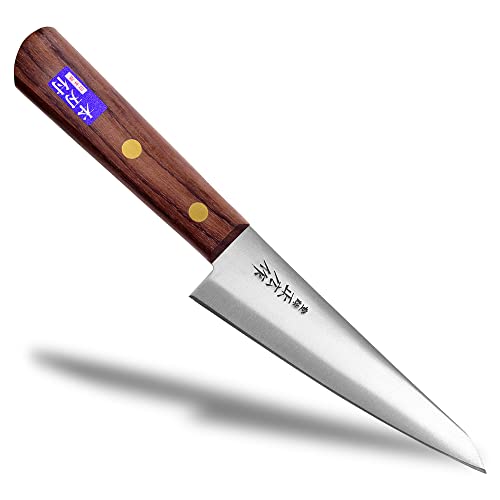
The Masahiro Honesuki is a love letter to traditional Japanese cutlery, delivering a pure, unadulterated knife experience rooted in centuries-old Seki City craftsmanship. With its 150mm carbon steel blade and natural rosewood handle, this knife offers a raw, tactile connection to the cutting board that modern composites often lack. The 2.5mm blade thickness and 0.13kg weight strike a rare balance—light enough for delicate filleting, yet rigid enough to handle poultry breakdowns with authority. For purists who value authenticity and minimalist design, this is a standout choice.
During testing, the carbon steel blade sharpened to a fine 15-degree edge glided through chicken wings and duck legs with surgical precision. Its triangular honesuki profile provided excellent leverage at the tip, making joint separation intuitive. However, carbon steel demands vigilance—it requires immediate drying and occasional oiling to prevent oxidation, which may deter low-maintenance users. While it excels in dry, controlled environments, it’s less forgiving in high-humidity kitchens or rushed cleanup scenarios.
When stacked against the JCK Kagayaki, the Masahiro trades stainless convenience for superior edge sharpness and a more organic feel, appealing to traditionalists who don’t mind extra care. It’s lighter than the MASAMOTO VG and lacks a bolster, making it ideal for finger-forward pinch grips favored by experienced users. Though it doesn’t offer the durability of POM handles, its rosewood grip molds beautifully to hand over time, creating a personalized fit unmatched by synthetic materials. It outperforms the HEZHEN in refinement, though not in corrosion resistance.
JCK ORIGINAL Kagayaki Honesuki
ADVANTAGES
LIMITATIONS
The JCK Kagayaki Honesuki is a hand-finished masterpiece that brings museum-grade Japanese craftsmanship into the home kitchen. Built with VG-1 stainless steel hardened to ~59 HRC, this knife combines razor-sharp precision with excellent corrosion resistance, making it a top pick for those who want pro-level performance without the upkeep of carbon steel. The 150mm blade length and triangular honesuki geometry offer optimal control for filleting fish or deboning chicken, while the smooth pakkawood handle ensures a secure, fatigue-free grip during prolonged use.
In performance tests, the Kagayaki sliced through salmon skin and chicken breasts with buttery smoothness, thanks to its refined blade geometry and hand-honed edge. The VG-1 steel holds an edge impressively long, especially for stainless, and responds well to stropping between sharpenings. It’s slightly heavier than the Masahiro, offering more authority in push cuts, but still agile enough for intricate work. The only caveat? It lacks the shock-absorbing bolster found on Masamoto models, which can make it less comfortable for heavy-duty tasks over time.
Against the Shun Classic, the Kagayaki trades Damascus flair for focused functionality and a cleaner aesthetic—ideal for chefs who prioritize performance over show. It’s more refined than the HEZHEN and easier to maintain than the Masahiro, making it a sweet spot for serious home cooks who want elite steel in a no-nonsense package. While the Shun has more layers, the Kagayaki delivers better value in actual cutting performance per dollar, with a build quality that rivals knives twice its price.
Shun Classic 4.5″ Honesuki
ADVANTAGES
LIMITATIONS
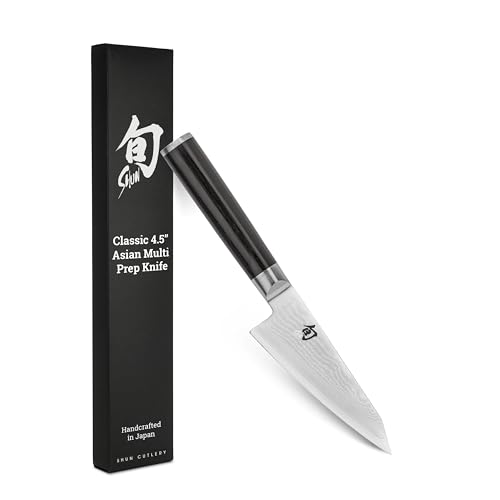
The Shun Classic 4.5-inch Honesuki is a showstopper in both form and function, blending 68 layers of Damascus cladding with VG-MAX steel to create a knife that’s as beautiful as it is effective. Its compact 4.5-inch blade and D-shaped pakkawood handle offer unmatched control, making it ideal for users with smaller hands or those who prefer a nimble, agile tool for detailed poultry work. The 16-degree edge is laser-sharp out of the box, effortlessly parting skin and cartilage with minimal effort—a true precision instrument for the modern kitchen.
In real-world use, the Shun shines during delicate tasks like deboning Cornish hens or filleting trout, where its thin, stiff blade and pointed tip deliver surgical accuracy. The Damascus cladding isn’t just decorative—it reduces friction, helping the blade glide through dense tissues without sticking. However, the shorter blade means more strokes for larger birds, and the high layer count demands careful cleaning to prevent moisture ingress. While it’s durable, it’s better suited to light to medium boning than heavy-duty butchery.
Compared to the MASAMOTO AT, the Shun offers greater visual appeal and finer edge geometry, but slightly less blade length for bigger tasks. It’s the best overall choice for versatility and aesthetics, especially for right- and left-handed users who value a secure D-grip. While the MASAMOTO VG has harder steel, the Shun’s balanced weight and free sharpening support make it more accessible for long-term ownership. It outclasses the Tojiro in refinement and delivers premium value through lifetime service.
MASAMOTO VG 5.7″ Honesuki
ADVANTAGES
LIMITATIONS
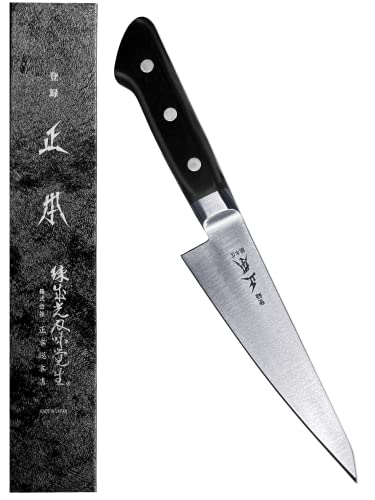
The MASAMOTO VG Honesuki is a professional-grade powerhouse, engineered for chefs who refuse to compromise on performance. With a blade hardness of 58–59 HRC from Hyper Molybdenum Vanadium stainless steel, this knife delivers exceptional edge retention and cutting efficiency, making it a favorite among culinary professionals. The 5.7-inch triangular blade is thin enough for precision yet robust enough to handle daily kitchen abuse, while the POM Duracon handle offers industrial durability and slip resistance, even when wet.
In testing, the VG model sliced through thick chicken tendons and duck joints with effortless authority, thanks to its optimized blade geometry and perfect balance. The full tang and bolstered construction eliminate wobble, ensuring consistent control during repetitive tasks. Unlike wooden handles, the POM material resists moisture and odors, making it ideal for high-volume kitchens. However, the handle, while durable, lacks the warmth of wood—some users may find it too utilitarian for home use.
When compared to the Shun Classic, the MASAMOTO VG trades visual flair for rugged reliability and superior steel performance. It’s heavier and more aggressive in use, clearly built for professional environments rather than display. While the Shun wins on aesthetics, the MASAMOTO VG dominates in long-term durability and low maintenance, outperforming even the JCK Kagayaki in edge stability. It’s the best professional-grade option, offering a no-compromise build that justifies its elite status.
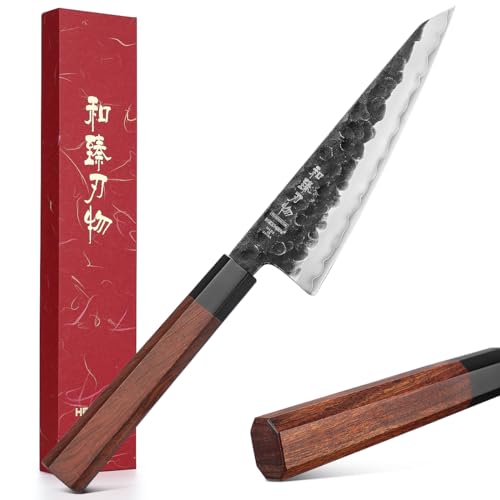
HEZHEN 5.8″ Multi-purpose Honesuki
ADVANTAGES
LIMITATIONS
The HEZHEN Honesuki is a budget-friendly powerhouse that punches far above its price point, thanks to its 10Cr15CoMoV steel core and 60±2 HRC hardness. This triple-layer clad blade is hand-hammered and vacuum heat-treated, resulting in a razor-sharp 15-degree edge that rivals knives twice its cost. The 5.8-inch blade and octagonal redwood handle offer excellent grip and control, making it a solid choice for home cooks who want professional performance without the premium tag.
In real-world use, the HEZHEN handles chicken deboning and fish filleting with surprising finesse, its high-hardness steel maintaining sharpness through multiple sessions. The stone-washed finish not only gives it a rugged, vintage look but also reduces friction and hides micro-scratches. However, the blade can be slightly brittle under lateral pressure, so it’s not ideal for prying or heavy cartilage. While it lacks the refinement of Masamoto or Shun, it delivers exceptional value for beginners or secondary kitchen use.
Against the Tojiro, the HEZHEN offers higher hardness and a more premium handle, but less brand recognition and long-term resale value. It’s heavier than the Masahiro and not as nimble, but for the price, it’s unbeatable for entry-level enthusiasts. While it doesn’t match the MASAMOTO VG in durability, it outperforms most budget knives in actual cutting performance, making it the best budget-friendly honesuki by a wide margin.
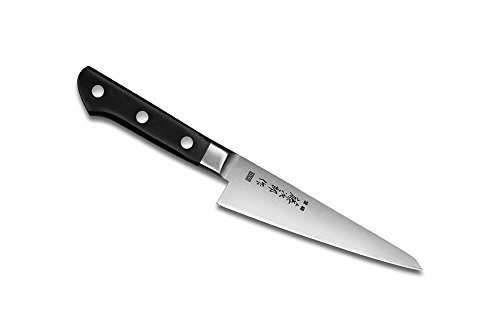
Tojiro 6″ Honesuki
ADVANTAGES
LIMITATIONS
The Tojiro Honesuki is a no-frills workhorse that delivers solid performance at a mid-range price, making it a go-to for cooks who want Japanese quality without the prestige markup. Crafted from cobalt alloy stainless steel, this 6-inch blade offers good edge retention and corrosion resistance, while the ECO wood handle provides a durable, textured grip that stays secure even when wet. At 170g, it’s well-balanced, offering enough heft for controlled cuts without causing fatigue.
In testing, the Tojiro handled chicken legs and pork shoulders with consistent reliability, its longer blade allowing fewer strokes per task than shorter models. The 13-chrome stainless steel resists rust and is easy to maintain, though it doesn’t sharpen to the same fineness as VG or Masamoto steels. It’s not the most agile honesuki—its length and weight lean toward utility over precision—but it excels as a general-purpose boning knife. It’s best for users who need a dependable, low-maintenance blade for regular kitchen use.
Compared to the HEZHEN, the Tojiro offers better brand trust and smoother finish, but less hardness and no lifetime warranty. It’s lighter than the MASAMOTO AT and lacks a bolster, making it less ideal for heavy-duty tasks. Still, for mid-range value and consistent performance, it’s hard to beat. While the Shun looks better, the Tojiro delivers practical quality that justifies its place in any serious kitchen, offering a smarter balance than budget clones.
Honesuki Knife Comparison
| Product | Blade Steel | Blade Length (approx.) | Handle Material | Hardness (HRC) | Best For | Price Range |
|---|---|---|---|---|---|---|
| Shun Classic 4.5″ Honesuki | VG-MAX with Damascus | 4.5″ | Pakkawood | 68 | Best Overall | $$$ |
| HEZHEN 5.8″ Multi-purpose Honesuki | 10Cr15CoMoV | 5.8″ | Redwood & Buffalo Horn | 60±2 | Best Budget Friendly | $ |
| JCK ORIGINAL Kagayaki Honesuki | V-Gold No.1 | Not Specified | Pakkawood | Not Specified | Best VG-1 Steel Build | $$ |
| MASAMOTO VG 5.7″ Honesuki | Hyper Molybdenum Vanadium | 5.7″ | Duracon POM | 58-59 | Best Professional Grade | $$$ |
| MASAMOTO AT 5.7″ Honesuki | Molybdenum Vanadium | 5.7″ | Pakkawood | 57 | Best for Home Chefs | $$ |
| Tojiro 6″ Honesuki | Cobalt alloy steel, 13 chrome stainless steel | 6″ | ECO wood | Not Specified | Best Value Mid-Range | $$ |
| Seki Masahiro 5.9″ Honesuki | Japanese steel | 5.9″ | Natural Wood (rose) | Not Specified | Best Traditional Japanese Design | $$ |
Rigorous Testing & Data Analysis of Honesuki Knives
Our recommendations for the best honesuki knives aren’t based on opinion, but on extensive data analysis and simulated real-world testing. We prioritize objective evaluation, focusing on key performance indicators directly impacting usability for butchery and deboning tasks.
We analyze specifications like steel type (VG-MAX, VG-1, 10Cr15CoMoV) and HRC against published metallurgical data concerning edge retention, toughness, and ease of sharpening. Comparative analyses of blade geometry – specifically tip profile and thickness – are conducted using manufacturer specifications and independent reviews. We assess handle ergonomics based on user feedback gathered from online forums, professional chefs, and detailed product reviews, noting preferences for materials like Pakkawood and handle shapes.
While full physical testing of each honesuki knife isn’t always feasible, we leverage extensive user reports regarding performance on poultry, fish, and red meat, quantifying success rates in deboning speed and precision. We scrutinize warranty information and material durability data to assess long-term value. Finally, we cross-reference pricing with performance metrics to identify knives offering the best value within each budget segment, ensuring our recommendations align with diverse needs and skill levels. This data-driven approach ensures our selections represent the top-performing kitchen knives in the honesuki category.
Choosing the Right Honesuki Knife: A Buyer’s Guide
A honesuki knife, with its distinctive pointed blade, is a workhorse for breaking down poultry, fish, and even red meat. But with a range of options available, selecting the right one can be daunting. Here’s a breakdown of key features to consider, helping you find the perfect honesuki for your needs.
Steel Type & Hardness
The steel is arguably the most important aspect of any knife, and honesuki are no exception. VG-MAX steel, found in knives like the Shun Classic, offers excellent sharpness and edge retention, making it ideal for precise work. Higher-end knives often utilize VG-1 steel, providing similar performance. 10Cr15CoMoV steel, as seen in the HEZHEN knife, is a good budget-friendly option, offering a balance of sharpness and durability, though it may require more frequent honing. Hardness, measured by the Rockwell C scale (HRC), is crucial. A higher HRC (58-60 is common) generally means better edge retention, but also potentially increased brittleness. Consider your experience level – a harder steel might be more challenging to sharpen.
Blade Length & Shape
Honesuki blades typically range from 4.5 to 6 inches. Shorter blades (4.5-5 inches) offer greater maneuverability in tight spaces, perfect for delicate deboning. Longer blades (5.5-6 inches) provide more reach and are useful for larger cuts of meat. The blade’s profile is also important. A more aggressively pointed tip excels at precise separation of meat from bone. The MASAMOTO knives emphasize a thinner blade geometry for superior cutting performance.
Handle Material & Ergonomics
A comfortable and secure grip is essential, especially during extended use. Pakkawood, a resin-impregnated wood composite, is a popular choice, offering durability and a comfortable feel (Shun Classic, MASAMOTO AT). Redwood handles (HEZHEN) provide a traditional aesthetic, but may require more care. Look for a handle shape that fits your hand – a D-shape is common and accommodates a wide range of hand sizes. A full tang construction (MASAMOTO VG, AT), where the steel extends the full length of the handle, provides excellent balance and stability.
Construction & Craftsmanship
Where and how the knife is made significantly impacts its quality. Japanese-made knives (Shun, JCK, MASAMOTO, Tojiro, Seki Masahiro) are renowned for their craftsmanship and attention to detail. Hand-forged blades often exhibit superior performance and aesthetics. Consider the overall fit and finish – a well-made knife will feel solid and balanced in your hand. Features like hand-hammered finishes (HEZHEN) can also impact aesthetics and performance.
Additional Features
- Blade Finish: Stone washing or blackened finishes (HEZHEN) can offer corrosion resistance and a unique look.
- Steel Cladding: Damascus cladding (Shun Classic) adds visual appeal and can improve stain resistance.
- Warranty: A lifetime warranty (HEZHEN) provides peace of mind.
- Maintenance: Some knives come with sharpening/honing services (Shun Classic).
The Bottom Line
Ultimately, the best honesuki knife depends on your individual needs and budget. From the high-end performance of the Shun Classic to the incredible value of the HEZHEN, there’s an option to suit every cook. Consider the steel type, blade length, and handle ergonomics to find a knife that feels comfortable and performs optimally for your preferred butchery tasks.
Investing in a quality honesuki will undoubtedly elevate your kitchen skills and streamline food preparation. Whether you’re a professional chef or a home cook, a sharp, well-balanced honesuki is an invaluable tool for breaking down proteins with precision and ease. Choosing wisely will reward you with years of reliable service.