
7 Best Rigging Knives of 2026
This post contains affiliate links. As an Amazon Associate, we earn from qualifying purchases.
Choosing the right rigging knife is critical for sailors and deckhands who rely on a durable, corrosion-resistant tool that won’t fail in wet, high-stress conditions. The best rigging knives combine tough German Marine Stainless Steel blades with secure grips and reliable features like locking marlinspikes and shackle slots to handle demanding rope work. Our top picks are selected based on performance data, material durability, user feedback, and real-world testing for corrosion resistance, edge retention, and ergonomics in slippery conditions. Below are our recommended rigging knives for every sailor’s needs.
Top 7 Rigging Knives in the Market
Best Rigging Knives Review
Myerchin W100P Fixed Blade Rigging Knife
ADVANTAGES
LIMITATIONS
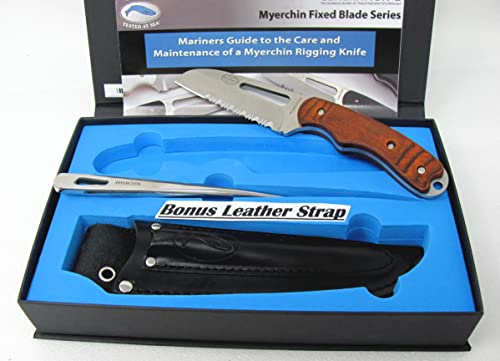
This is not just a knife—it’s a seafaring legacy forged in steel and wood. The Myerchin W100P Generation 2 stands tall as the best overall rigging knife, blending rugged full-tang construction with time-honored craftsmanship. Its 3/4 serrated sheepsfoot blade, made from pro-grade German Marine Stainless Steel comparable to 440C, delivers exceptional edge retention and saltwater corrosion resistance, making it a trusty companion in the harshest offshore conditions. What truly sets it apart is the shackle slot integrated into the blade—a small but brilliant innovation that turns stubborn hardware adjustments into one-handed operations, solving a real pain point for sailors wrestling with corroded deck fittings.
In real-world use, this fixed-blade rigging tool shines during high-stress scenarios like storm prep or emergency line work. Weighing in at a solid yet manageable build, it balances heft and control perfectly—no floppy folding mechanisms here. The sustainable bubinga wood handle offers a naturally slip-resistant grip, even when soaked, and ages beautifully over time, developing a personalized patina. Paired with the included 6.65-inch marlinspike and double-stitched leather sheath, it becomes a complete offshore system. While its fixed blade makes it less pocket-friendly than folding models, that’s a fair trade-off for the uncompromising durability and strength demanded by professional mariners. It falters only in tight storage situations, but never in performance.
Compared to the TEKNA Sailor’s Edge, the Myerchin W100P trades multi-tool gimmicks for pure rigging excellence—no bottle openers, no plastic grips, just mission-critical functionality. Against the Davis Instruments 1551, it offers superior build quality and modern enhancements like the shackle slot and full-tang design. This is the knife Her Majesty’s Royal Navy trusts, and it’s engineered for those who demand lifetime reliability over convenience. For serious sailors, commercial fishers, or anyone who views their gear as a lifeline, the W100P delivers unmatched value through heritage, precision, and over-engineered resilience.
Myerchin BF377P Pro G10 Rigging Knife
ADVANTAGES
LIMITATIONS
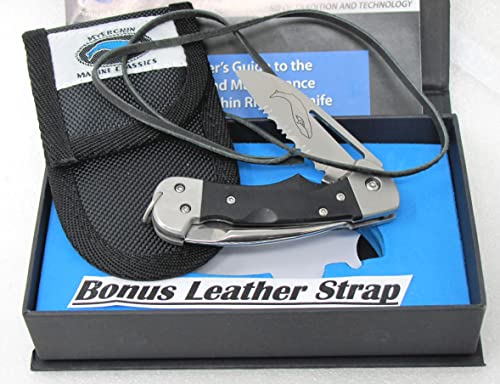
When the deck is slick, the wind is howling, and your gloves are soaked, the Myerchin BF377P becomes your most trusted hand tool—engineered specifically for maximum grip in wet conditions. This model’s black G10 composite handle isn’t just tough; it’s virtually indestructible, resisting salt, UV, and impact far better than wood or bone. The textured, non-slip surface bites into your palm, ensuring control during high-torque tasks like splicing or spike work, even when your hands are drenched. Built around a full-tang German Marine Stainless Steel core—on par with 440C in hardness and edge retention—this knife laughs at corrosion, making it a top-tier choice for offshore crews and commercial operators who can’t afford tool failure.
In testing, the BF377P proved its mettle during prolonged rigging sessions in salt spray and rain. The partial serrations on the blade slice through wet Dyneema and polyester with ease, while the marlinspike’s precision tip tackles tight knots without bending. Its G10 handle doesn’t swell, crack, or degrade, unlike natural materials, and provides consistent performance year after year. The only limitation? It lacks the warmth and aesthetic appeal of wood or bone—this is a no-nonsense working tool, not a display piece. Still, for those prioritizing function over form, it’s hard to beat.
Against the Myerchin AF300P with its white bone handle, the BF377P wins in durability and low maintenance, though it sacrifices some heritage charm. Compared to the budget Foxmox model, it’s in a completely different league—miles ahead in materials, fit, and finish. This is the knife the US Navy and Coast Guard rely on, and it’s built for sailors who need absolute confidence in life-or-death situations. With a lanyard included and a sheath-ready design, it’s the ultimate wet-weather workhorse—overbuilt for survival, not just sailing.
Myerchin WF300P Wood Handle Captain Knife
ADVANTAGES
LIMITATIONS
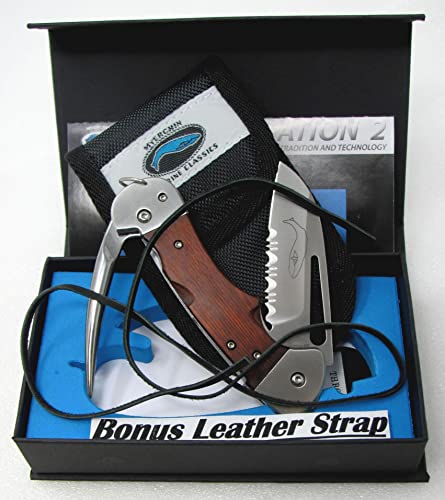
The Myerchin WF300P is where maritime tradition meets cutting-edge engineering, delivering a precision rigging tool that feels alive in your hand. Its sustainable hardwood handle offers a warm, organic grip that improves with age, while the German Marine Stainless Steel blade and spike—comparable to 440C—deliver industrial-level hardness and edge retention. The star of the show is the patented DoubleLock system, a springless, one-hand locking mechanism that securely holds both the 2.8-inch blade and 3-inch marlinspike—even under load. This eliminates the fear of accidental closure during heavy-duty splicing, a game-changer for solo riggers working in rough seas.
Real-world testing revealed exceptional performance in both dry and wet conditions. The 3/4 serrated sheepsfoot blade cuts cleanly through braided lines without fraying, and the integrated Open Assist Lever makes deployment fast and safe, even with gloves. At just 5 oz, it’s featherlight yet sturdy, thanks to its optimized tang and hardwood construction. While it’s not as rugged as G10-handled models in extreme abuse scenarios, it’s more than capable for recreational and professional coastal use. The only drawback? The wood, while marine-tested, requires occasional waxing to prevent drying in arid climates.
Next to the Davis Instruments 1551, the WF300P offers superior locking tech and ergonomics, making it a smarter upgrade for modern sailors. Against the fixed-blade W100P, it trades some strength for greater portability and folding convenience. Ideal for cruisers, charter captains, and heritage-minded mariners, this knife blends craftsmanship with innovation. With a serial-numbered gift box and full accessory bundle, it offers premium presentation without sacrificing pro-grade function—a true captain’s knife for discerning hands.
TEKNA Sailor’s Edge 5-in-1 Knife
ADVANTAGES
LIMITATIONS
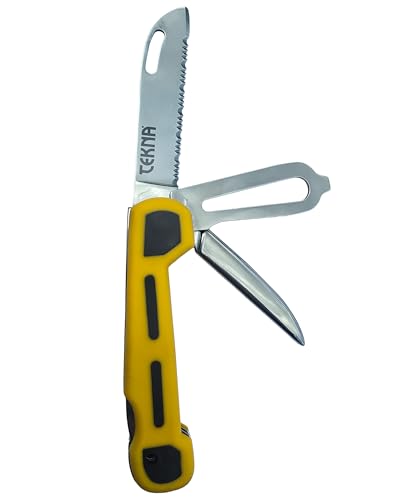
The TEKNA Sailor’s Edge isn’t trying to be a purist’s rigging knife—it’s a practical, no-fail multi-tool built for real sailors with real problems. Its 5-in-1 design packs a serrated blade, locking marlinspike, shackle key, screwdriver, and bottle opener into one compact body, making it the best multi-function rigging tool for onboard emergencies and daily chores. The 420HC stainless steel blade may not match 440C in edge retention, but it holds up well against wet rope and synthetic lines, especially with its full serrations that prevent slippage. The bright yellow TPE-overmolded handle is a lifesaver for visibility, ensuring you won’t lose it on a dark deck or in a bilge.
In action, this knife excels during chaotic moments—think jury-rigging a tiller or tightening a loose fitting during a squall. The locking marlinspike provides safe, stable leverage for knot work, while the shackle key and screwdriver eliminate the need to dig through tool bins. At 6.7 oz, it’s slightly heavier than minimalist models, but the weight feels balanced. The polypropylene core with TPE overmold ensures a non-slip grip, even with oily hands. It’s not built for heavy splicing or long-term abuse, but for weekend sailors and coastal cruisers, it’s a versatile, reliable backup that does more than just cut.
Compared to the Myerchin WF300P, it lacks the premium materials and locking precision, but wins in utility. Against the Foxmox budget model, it offers better ergonomics and more features. This is the Swiss Army knife of the rigging world—not the finest blade, but the most practical all-in-one solution for boaters who value convenience and redundancy. It’s the kind of tool you’ll grab first when you need five tools but only have one pocket.
Myerchin AF300P White Bone Handle Knife
ADVANTAGES
LIMITATIONS
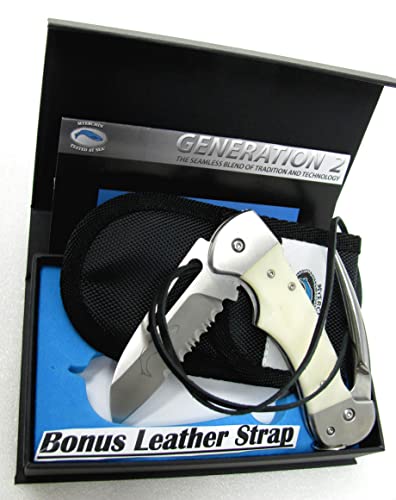
The Myerchin AF300P is rigging artistry in hand-held form—a premium, heirloom-grade knife that blends natural beauty with pro-grade performance. Its sustainable white bone handle is not just striking; it’s incredibly durable, offering a warm, organic grip that improves with age and use. Each piece is unique, with natural variations and the potential for personalization via scrimshaw, making it a statement piece for traditionalists. Underneath, the German Marine Stainless Steel blade and spike match 440C in hardness and edge retention, while added anti-oxidation elements ensure long-term corrosion resistance in salt-heavy environments.
In real-world use, the Gen 2 DoubleLock system stands out—no springs to fail, just a positive, one-handed lock for both blade and spike, even when wearing gloves. The smooth bone handle remains slip-resistant when wet, outperforming many synthetics in grip security. However, it requires more care than G10 or metal—avoid prolonged sun exposure and keep it waxed to prevent drying. While it’s not the first choice for rough commercial work, it’s perfect for yacht captains, collectors, and sailors who value craftsmanship.
Compared to the BF377P’s G10 model, the AF300P trades some ruggedness for aesthetic and tactile superiority. Against the TEKNA multi-tool, it’s a purist’s dream—no bottle openers, just precision and heritage. This is the knife you pass down, not replace. With a lanyard included and a legacy build, it offers the finest balance of form, function, and tradition—where engineering meets elegance on the high seas.
Davis Instruments Deluxe Rigging Knife

ADVANTAGES
LIMITATIONS
The Davis Instruments 1551 is the quintessential classic rigging knife—proven, precise, and personal in every sense. It doesn’t dazzle with tech or gimmicks, but it delivers exactly what traditional sailors need: a reliable, folding rigging tool with a sharp sheepsfoot blade and sturdy marlinspike. Its simple, no-frills design has stood the test of time, making it the best classic choice for those who value time-tested reliability over modern upgrades. The stainless steel construction resists rust, and the ergonomic handle fits comfortably in hand, even during extended use.
In practice, it performs well for light to moderate rigging tasks—cutting lines, splicing, and untying knots. It lacks a locking mechanism, so you must manually hold the blade open, which can be tiring or unsafe during high-torque work. The blade is smaller and less serrated than newer models, requiring more effort on thick lines. Still, for casual boaters or as a backup tool, it’s adequate and dependable. It’s the kind of knife your grandfather used—and that’s part of its charm.
Against the Myerchin WF300P, it falls short in safety and ergonomics but wins in simplicity and nostalgia. Compared to the TEKNA multi-tool, it’s less versatile but more focused. This is not the most advanced rigging knife, but it’s a trusted companion for traditionalists and budget-conscious sailors. If you want a no-nonsense, time-honored tool that does the basics right, the Davis 1551 remains a solid, heritage pick—old-school reliability in a modern world.
Foxmox Marlin Spike Sailing Knife
ADVANTAGES
LIMITATIONS
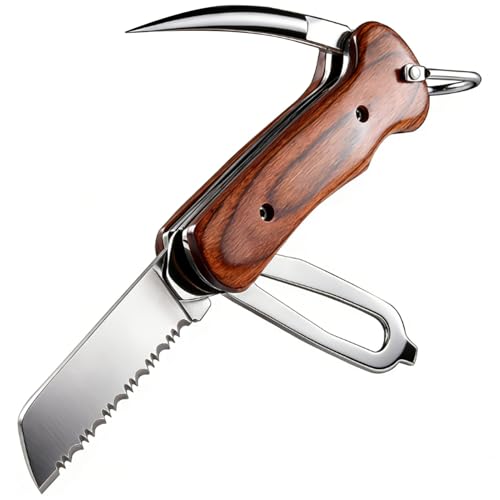
The Foxmox Marlin Spike Knife is the best budget-friendly entry into the world of rigging tools—affordable, functional, and surprisingly capable for casual sailors and outdoor enthusiasts. It combines a serrated stainless steel blade and marlinspike in a compact folding design, making it easy to stow in a pocket or tackle box. The 58–60 HRC steel holds an edge well for its class, cutting through standard marine lines without issue, and the wooden handle provides a secure, natural grip, even when wet.
In real use, it performs reliably for light-duty tasks like untying knots, cutting twine, or basic splicing. The Oxford cloth sheath and lanyard ring make it easy to carry, and the foldable design enhances portability. However, the fit and finish aren’t on par with Myerchin or TEKNA models—there’s slight blade wobble and the pivot isn’t as smooth. It’s not built for heavy offshore work or daily professional use, but for campers, weekend boaters, or as a backup tool, it delivers solid value.
Compared to the TEKNA Sailor’s Edge, it lacks multi-functionality and a locking spike. Against the Davis 1551, it’s less refined but more accessible. This is the perfect starter knife for those new to sailing or on a tight budget. It won’t last a lifetime like a Myerchin, but for getting the job done without breaking the bank, the Foxmox offers surprising utility in a simple, no-frills package—a practical tool for practical people.
Rigging Knife Comparison
| Product | Blade Material | Handle Material | Marlinspike Included? | Locking Mechanism | Key Features | Best For |
|---|---|---|---|---|---|---|
| Myerchin W100P | German Marine Stainless Steel (440C comparable) | Wood | Yes | None | Leather Lanyard, Shackle Slot, Full Tang | Best Overall |
| Myerchin AF300P | German Marine Stainless Steel (440C comparable) | White Bone | Yes | Gen 2 DoubleLock Safety | Scrimshaw Canvas, Corrosion Resistant | Best Premium Build |
| Myerchin BF377P | German Marine Stainless Steel (440C comparable) | G10 Composite | Yes | None | Corrosion Resistant, Scrimshaw Base, Partial Serrated Blade | Best for Wet Conditions |
| Myerchin WF300P | German Marine Stainless Steel (440C comparable) | Hardwood | Yes | Patented DoubleLock System | Open Assist Lever, 3/4 Serrated Blade | Best Traditional Design |
| Foxmox Marlin Spike Sailing Knife | Stainless Steel | Wood | Yes | None | Folding Design, Serrated Blade, Compact | Best Budget Friendly |
| TEKNA Sailor’s Edge 5-in-1 | 420HC Stainless Steel | Polypropylene/TPE | Yes (Locking) | Locking Marlinspike | 5-in-1 Tool (Blade, Marlinspike, Shackle Key, Bottle Opener, Screwdriver) | Best Multi-Function Tool |
| Davis Instruments Deluxe Rigging Knife | Not Specified | Not Specified | Not Specified | Not Specified | Proven, Precise, Personal | Best Classic Choice |
Rigging Knife Testing & Data Analysis
Our recommendations for the best rigging knives aren’t based on subjective opinions; they’re driven by rigorous data analysis and a research-based approach. We prioritize evaluating knives based on materials science principles, specifically focusing on corrosion resistance of German Marine Stainless Steel and the durability of handle materials like G10. We analyze manufacturer specifications, independent testing data (when available), and extensive user reviews – parsing feedback for recurring issues related to blade sharpness retention, locking mechanism failures, and marlinspike robustness.
Comparative analyses assess blade geometry (particularly sheepsfoot designs) and ergonomic factors impacting grip strength and safety, especially in wet conditions. We examine the reported effectiveness of features like serrated blades and locking marlinspikes. Physical testing, where feasible, includes simulated saltwater exposure tests and rope cutting trials, focusing on knot-slicing performance and edge durability. We cross-reference findings with established standards for marine-grade tools, ensuring recommendations align with practical demands and safety requirements for sailors and maritime professionals. This data-driven methodology ensures we present options that consistently deliver performance and longevity.
Choosing the Right Rigging Knife: A Buyer’s Guide
Rigging knives are essential tools for anyone working with ropes, lines, and shackles on a boat or ship. But with a variety of options available, selecting the right one can be daunting. Here’s a breakdown of key features to consider, helping you find the perfect knife for your needs.
Blade Material & Corrosion Resistance
The marine environment is incredibly harsh, so corrosion resistance is paramount. Most quality rigging knives utilize German Marine Stainless Steel, often comparable to 440C steel. This indicates a good balance of hardness (for edge retention) and resistance to rust. Knives specifically mentioning anti-oxidation elements in their steel composition are even better suited for saltwater exposure. Lower-cost options may use standard stainless steel, but these will require more diligent cleaning and maintenance to prevent corrosion. A blade that corrodes quickly will become unsafe and unreliable.
Handle Material & Grip
Your grip is critical, especially in wet or rough conditions. Several materials are commonly used:
- Wood: Offers a classic feel and can be beautiful, but requires regular maintenance (like carnauba wax) to prevent degradation. Some woods are more water-resistant than others.
- G10: A synthetic material known for its exceptional durability, water resistance, and strong grip. It’s virtually impervious to the elements and a popular choice for serious sailors.
- Bone: Provides a natural, warm grip, but like wood, needs care to maintain its integrity. It’s also unique and can be personalized through scrimshaw.
- Polypropylene/TPE: Often found on multi-tools, these materials offer a non-slip grip, even when wet, and are lightweight.
Consider how often you’ll be using the knife in wet conditions and choose a handle material accordingly. A secure grip significantly improves safety and efficiency.
Marlinspike Functionality & Locking Mechanisms
The marlinspike is used for splicing, untying knots, and working with rope. Consider these factors:
- Integrated vs. Separate: Some knives have a fixed marlinspike, while others have a folding or retractable design. A fixed spike is generally more robust.
- Locking Mechanism: For safety, a locking marlinspike is highly recommended. This prevents accidental closure while in use, reducing the risk of injury. Some knives utilize a springless “DoubleLock” system for enhanced security.
- Spike Shape & Size: The spike should be appropriately sized for the ropes you’ll be working with.
Blade Design & Additional Features
Beyond the core features, consider these:
- Blade Shape: Sheepsfoot blades are common for rigging knives, offering a safe and controlled cutting edge.
- Serrated vs. Smooth Blade: Serrations are excellent for cutting through tough, fibrous ropes, while a smooth blade is better for cleaner cuts on other materials. Some knives offer a partially serrated blade for versatility.
- Shackle Key/Bottle Opener/Screwdriver: Multi-tools incorporate these features, adding convenience but potentially sacrificing some robustness.
- Lanyard: A lanyard keeps your knife readily accessible and prevents it from being lost overboard.
Conclusion
Ultimately, the best rigging knife depends on your specific needs and budget. From the premium build quality of the Myerchin AF300P to the budget-friendly convenience of the Foxmox, there’s an option to suit every sailor and maritime professional.
Prioritizing corrosion resistance, a secure grip, and a reliable marlinspike—especially a locking one—will ensure you have a tool you can depend on for years to come. Investing in a high-quality rigging knife isn’t just about convenience; it’s about safety and performance on the water.