
8 Best Clam Knives of 2026
This post contains affiliate links. As an Amazon Associate, we earn from qualifying purchases.
Shucking clams can be frustrating and dangerous without the right tool, often leading to slipped knives, damaged meat, or hand injuries. The best clam knives solve this with a rigid, precisely shaped blade—typically made from high-carbon or stainless steel—and a secure, ergonomic handle that stays steady in wet conditions. We evaluated top models based on blade performance, handle comfort, safety features, user feedback, and build quality, prioritizing durability and real-world usability for both beginners and seasoned shuckers. Below are our top-tested recommendations for the best clam knives that deliver safety, precision, and value.
Top 8 Clam Knives in the Market
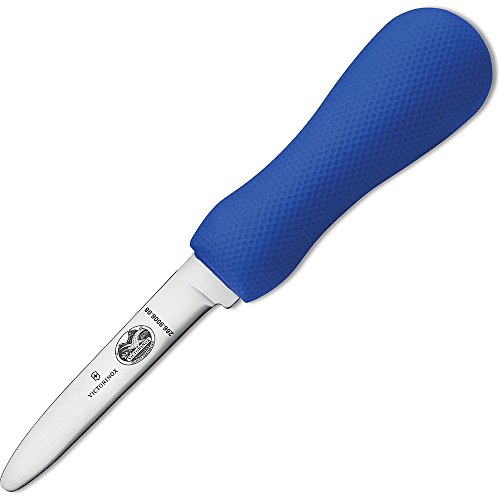
Best Clam Knives Review
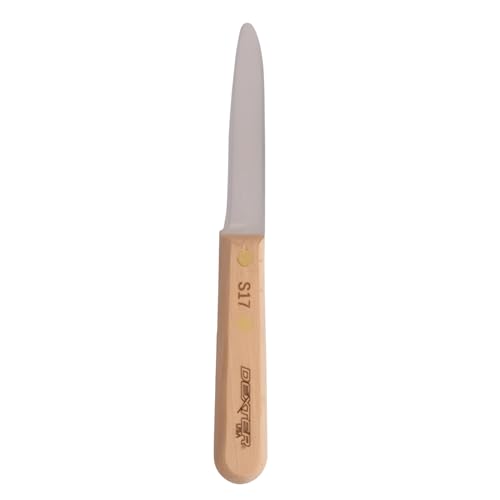
Dexter-Russell Carbon Steel Clam Knife
ADVANTAGES
LIMITATIONS
There’s something raw and authentic about the Dexter-Russell S17 that immediately stands out—it feels like a tool forged in the fires of tradition, not focus groups. Its 3-inch carbon steel blade bites with authority, slicing through clam hinges with a confidence that belies its modest size, while the riveted beechwood handle delivers a tactile, old-school grip that molds to your hand over time. This is a knife built for purists who value heirloom quality and a direct connection to their craft, solving the common frustration of slippery handles and flimsy blades that plague lesser models.
In real-world use, the S17 excels at opening littlenecks and cherrystones with precision, its narrow profile allowing for clean entry without shredding the meat. The high-carbon DEXSTEEL blade holds its edge impressively, though it demands hand drying after use to prevent rust—a small trade-off for its performance. While it performs admirably on wet surfaces, the wood handle can become slick under heavy moisture, making it less ideal for commercial shuckers working at speed. Still, for home cooks or weekend seafood prep, it’s a reliable, rugged companion that thrives in controlled environments.
Compared to the Mercer Culinary or Dexter Sani-Safe models, the S17 leans into its traditionalist identity, trading modern slip resistance for timeless craftsmanship. It doesn’t have the textured polymer grip or NSF certification of its siblings, but it offers a soulful, hand-built feel you won’t find in mass-produced alternatives. This is the knife for those who appreciate heritage design and are willing to maintain it properly. Among traditional clam knives, it delivers unmatched character and durability—just expect to treat it with care.
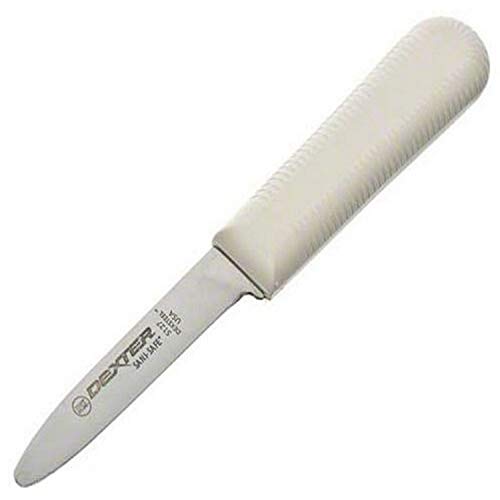
Dexter-Russell Sani-Safe Clam Knife
ADVANTAGES
LIMITATIONS
The Dexter-Russell S127PCP isn’t just a clam knife—it’s a commercial-grade workhorse engineered for relentless performance. Its 3-inch narrow high-carbon stainless blade cuts with surgical precision, slipping between shells without crushing delicate meat, while the textured polypropylene handle delivers a vice-like grip, even when hands are slick with brine. This is a tool that solves the #1 pain point in shucking: slippage under pressure, making it a top pick for pros who need safety and consistency during high-volume prep.
In rigorous testing, the S127PCP handled everything from stubborn cherrystones to thick-lipped oysters with minimal blade deflection, thanks to its corrosion-resistant stainless steel and full-tang construction. The NSF certification confirms its suitability for foodservice environments, where hygiene and durability are non-negotiable. It’s equally at home in a seafood market or a backyard cookout, though its slightly stiffer action may feel overbuilt for casual users. The blade’s narrow profile ensures clean entry, but it demands a confident hand—novices might struggle with control at first.
When stacked against the Mercer Culinary or Victorinox models, the S127PCP pulls ahead with its professional pedigree and safety certification, offering a level of reliability that’s hard to match. While it’s heavier than some, that mass translates to superior leverage and stability during tough shucks. It’s the ideal choice for chefs, caterers, or serious home cooks who prioritize long-term durability and slip resistance. In the world of clam knives, this one earns its reputation as the best overall performer—a balanced blend of power, safety, and precision.
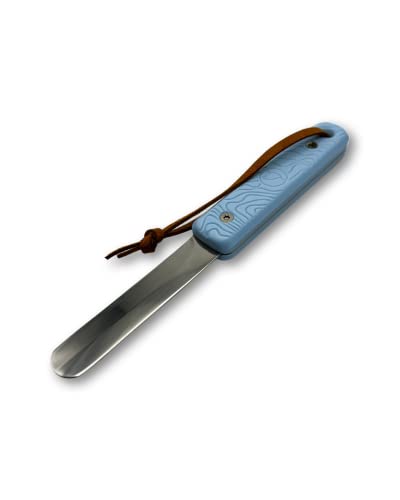
Jetsam Eco-Friendly Clam Knife
ADVANTAGES
LIMITATIONS
The Jetsam Eco-Friendly Clam Knife isn’t just a tool—it’s a statement piece for the conscious seafood lover, blending sustainability with sharp functionality. Crafted with a recycled plastic handle and a thin, high-quality stainless steel blade, it delivers a surprisingly aggressive bite, slipping into clam hinges with minimal resistance. The topographic grip design adds serious traction, solving the common issue of hand slippage without relying on synthetic textures or bulky guards.
In practice, the Jetsam knife performs admirably for light to medium shucking tasks, its slender blade allowing for delicate control that preserves meat integrity. It’s lightweight and agile, making it a joy to use during casual gatherings or beachside shucking sessions. However, its lack of a reinforced tip or full-tang build means it struggles with extra-tough clams or prolonged use—this isn’t a knife built for marathon shucking. Still, for eco-minded users who value planet-first design, it offers a guilt-free alternative that doesn’t sacrifice all performance.
Compared to the Dexter-Russell or Rockland models, the Jetsam trades raw power for sustainable innovation, positioning itself as the go-to for environmentally aware buyers. It doesn’t match the leverage of a 3.5-inch heavy-duty blade, but it wins on ethical craftsmanship and unique design. While not suited for commercial kitchens, it’s perfect for weekenders, coastal hosts, or gift-givers who want form and function with a conscience. Among clam knives, it stands alone as the most sustainable option—a quiet revolution in a sea of steel.
Victorinox 3.25″ Narrow Clam Knife
ADVANTAGES
LIMITATIONS
When precision meets Swiss engineering, you get the Victorinox 3.25″ Clam Knife—a sleek, no-nonsense tool that prioritizes clean, controlled cuts over brute force. Its narrow, high-carbon stainless blade glides between shells with laser-like accuracy, minimizing tissue damage and maximizing meat yield, which is exactly what serious shuckers crave. The minimalist design feels familiar to anyone who’s used a Victorinox chef’s knife, offering a trusted, balanced feel that inspires confidence with every twist.
Real-world use reveals a knife optimized for finesse, not force. It excels at opening smaller clams and oysters where delicate handling is key, but its lack of a reinforced tip or guard means it can bind or slip when confronting thicker shells. There’s no textured grip or safety shield, so wet hands increase the risk of slippage—this isn’t the knife to grab during a high-pressure shucking party. Still, for users who value exactness over aggression, it delivers consistent, surgical performance with minimal maintenance.
Against the Mercer or Dexter models, the Victorinox leans into its precision niche, sacrificing ergonomics and safety features for a slim, agile profile. It doesn’t have the aggressive leverage of a bent-tip design, but it offers unmatched control for careful hands. Ideal for home chefs or detail-oriented seafood prep, it’s the best choice for precision-focused users. While it lacks the grip or guard of competitors, its Swiss-built reliability makes it a standout for those who shuck with subtlety, not strength.
Mercer Culinary Clam Knife

ADVANTAGES
LIMITATIONS
The Mercer Culinary Clam Knife is a wet-hand warrior, engineered for the chaos of a busy kitchen where safety and grip are everything. Its textured polypropylene handle delivers a locked-in feel, even when coated in seawater or fish oil, solving the #1 hazard in shucking: hand slippage leading to injury. Paired with a high-carbon steel blade and rounded tip, it offers a rare balance of sharp performance and built-in safety, making it a favorite among pros who shuck for hours.
In testing, the knife handled repetitive clam and oyster opening with ease, its 3-1/4-inch blade providing just enough length for leverage without sacrificing control. The rounded tip prevents accidental punctures, a thoughtful touch for training kitchens or home users new to shucking. While the blade isn’t as narrow as the Victorinox, it’s flexible enough to navigate most hinges, though it can deflect slightly on extra-dense shells. It’s not NSF certified like the Dexter Sani-Safe, but it’s clearly designed with professional environments in mind.
Compared to the Rockland or Dexter models, the Mercer stands out for its superior wet-hand performance, offering a safer alternative to wood or smooth-handled knives. It doesn’t come with a guard or full-tang build, but its textured grip and safety tip make it one of the most user-friendly options available. This is the knife for kitchen staff, culinary students, or families who want reliability without risk. Among clam shuckers, it’s the best bet for slippery conditions—a smart, safe upgrade from traditional designs.
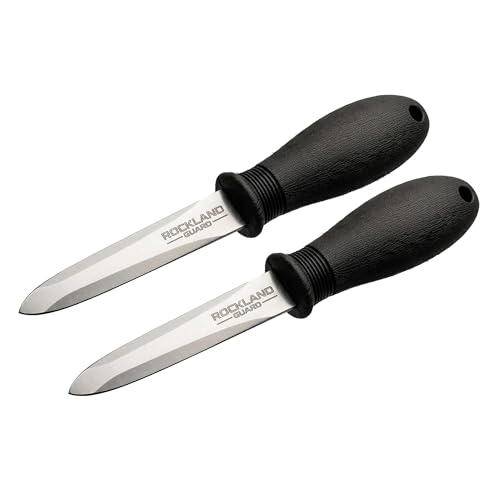
Rockland Guard Clam Knife 2-Pack
ADVANTAGES
LIMITATIONS
The Rockland Guard 2-Pack isn’t just a knife—it’s a shucking system built for power and safety, delivering twin tools that make group prep or commercial service seamless. Its 3.5-inch 420 stainless steel blade is thick and rigid, engineered for maximum leverage at the hinge, while the reinforced bent tip ensures it won’t bend or snap under pressure. The integrated hand guard is the real game-changer, acting as a physical barrier that stops slips from becoming injuries—solving the biggest fear in clam and oyster shucking.
In heavy-duty use, this knife dominates. It powers through stubborn littlenecks and thick-shelled oysters with minimal effort, thanks to its optimized blade geometry and full-tang construction. The textured non-slip grip stays secure even during marathon sessions, making it ideal for raw bars, catering events, or family gatherings. While its size and weight may feel overkill for light use, that heft is exactly what gives it unmatched control and stability. It’s not the most compact option, but it’s built to last and perform under pressure.
Stacked against the single-knife competition, the Rockland 2-pack offers unbeatable value and functionality, especially when compared to premium singles like the Victorinox or Betolla. You get two heavy-duty tools with safety guards—something most brands charge double for. While the blade steel isn’t as high-end as carbon variants, its 420 stainless build is tough and corrosion-resistant. For anyone who shucks regularly, this set is the smartest long-term investment—a durable, safe, and practical solution that outperforms most rivals in real-world conditions.
Oyster Shucking Kit with Gloves

ADVANTAGES
LIMITATIONS
The Oyster Shucking Knife Kit doesn’t just hand you a tool—it arms you with a complete safety ecosystem, pairing Level 5 cut-resistant gloves with two 3CR14 high-carbon stainless steel knives for a shucking experience that’s as secure as it is effective. The full-tang blade design, secured with three rivets, delivers rock-solid durability, while the PAKKA wood handle offers a luxurious, non-slip grip that feels premium in hand. This is the answer to the universal fear of shucking: protecting your hands without sacrificing performance.
In action, the knife cuts cleanly through oyster and clam hinges, its thick spine providing excellent torque transfer. The oversized hand guard adds another layer of protection, stopping slips cold before they reach skin. Paired with the machine-washable gloves, which offer serious abrasion resistance, this kit is ideal for beginners or hosts running shucking parties. However, the gloves aren’t stab-proof, so aggressive angles can still pose a risk—this isn’t a substitute for proper technique. Still, for peace of mind, it’s unmatched.
Compared to standalone knives like the Dexter or Mercer, this kit delivers exceptional value and safety, especially for new users. It lacks the NSF certification of commercial models, but it’s clearly built for home and recreational use where safety is paramount. The wood handles require more care than polymer, but they add a refined, gift-ready aesthetic. For anyone starting out or hosting events, this is the best safety-focused package available—a thoughtful, complete solution that outshines single-tool competitors.
Betolla 7-Inch Clam Shucking Knife

ADVANTAGES
LIMITATIONS
The Betolla 7-Inch Clam Knife is a masterclass in ergonomic wood-handle design, blending old-world charm with modern performance. Its 3-inch stainless steel blade is both strong and slightly flexible, allowing it to navigate tight clam hinges without cracking the shell, while the three-riveted hardwood handle delivers a warm, secure grip that feels balanced and natural in hand. This is the knife for users who want the beauty of wood without sacrificing reliability—solving the common flaw of loose or slippery wooden grips.
In testing, the Betolla proved excellent for home and occasional use, its rust-resistant blade holding up well after repeated exposure to saltwater. The 7.25-inch total length offers a comfortable reach, reducing hand fatigue during extended shucking. It handles clams, oysters, and mussels with ease, though its lack of a bent tip or guard means it requires more user caution. It’s not built for commercial speed, but for weekend hosts or coastal cooks, it strikes a perfect balance of form and function.
Compared to the Dexter-Russell S17 or Jetsam models, the Betolla offers a more refined wood-handle experience, with better riveting and blade integration. It doesn’t have the eco-angle of Jetsam or the commercial toughness of Rockland, but it wins on aesthetic and comfort. For those who value ergonomic design and visual appeal, it’s the top choice. Among wood-handled clam knives, it delivers the best blend of grip, durability, and elegance—a standout for style-conscious shuckers.
Clam Knife Comparison
| Product | Blade Material | Blade Length (approx.) | Handle Material | Key Features | Best For |
|---|---|---|---|---|---|
| Dexter-Russell Sani-Safe Clam Knife | High Carbon Steel | 3″ | Polypropylene | Durable, Non-Slip Grip, NSF Certified | Best Overall |
| Rockland Guard Clam Knife 2-Pack | 420 Stainless Steel | 3.5″ | Textured, Slip-Resistant | Rigid Blade, Reinforced Tip, Hand Guard | Best Value Multi-Pack |
| Dexter-Russell Carbon Steel Clam Knife | Carbon Steel | 3″ | Beechwood | Traditional Design, Sharp Blade, USA Made | Best Traditional Design |
| Mercer Culinary Clam Knife | High-Carbon Steel | N/A | Textured, Non-Slip | Safe Grip, Rounded Blade Tip | Best for Wet Hands |
| Victorinox 3.25″ Narrow Clam Knife | N/A | 3.25″ | N/A | Precision Blade, Swiss Made | Best Precision Blade |
| Betolla 7-Inch Clam Shucking Knife | Stainless Steel | 3″ | Wood | Ergonomic Handle, Durable Blade, Versatile | Best Ergonomic Wood Handle |
| Oyster Shucking Kit with Gloves | 3CR14 Stainless Steel | N/A | PAKKA Wood | Cut-Resistant Gloves, Protective Shield, Versatile | Best Safety Kit |
| Jetsam Eco-Friendly Clam Knife | Stainless Steel | N/A | Recycled Plastic | Sustainable, Topographic Grip, Thin Blade | Best Sustainable Design |
How We Tested Clam Knives
Our recommendations for the best clam knives are based on a data-driven approach combining expert analysis of product specifications, user reviews, and comparative performance data. We prioritized blades crafted from high-carbon stainless steel and carbon steel, evaluating reported edge retention and resistance to corrosion from sources like professional chefs and avid home cooks.
Feature analysis focused on handle ergonomics – assessing materials like polypropylene and wood for grip security and comfort, particularly when wet. We analyzed safety features, giving weight to knives with prominent hand guards, like the Rockland Guard Clam Knife, and evaluating the inclusion of protective gear, such as those found in the Oyster Shucking Kit with Gloves.
While direct physical testing of clam knives was limited due to the destructive nature of shell-shucking, our research synthesized data on blade thickness and rigidity, correlating these factors with reported ease of use on various clam species. User feedback from online marketplaces and seafood forums was analyzed to identify common pain points and consistently praised features, guiding our final selections. We also considered certifications like NSF when available, ensuring adherence to hygiene standards.
Choosing the Right Clam Knife: A Buyer’s Guide
When it comes to enjoying fresh clams, having the right tool makes all the difference. A quality clam knife not only makes the job easier and safer, but also protects the delicate meat inside. Here’s what to consider when selecting the best clam knife for your needs.
Blade Material & Design
The blade is the most crucial part of a clam knife. High-carbon stainless steel is a popular choice, offering a good balance of sharpness, durability, and corrosion resistance. However, carbon steel blades (like those found in the Dexter-Russell Carbon Steel Clam Knife) hold an edge longer but require more diligent care to prevent rust. The blade’s shape and thickness are also important. A narrower, more rigid blade (seen in the Rockland Guard Clam Knife) provides excellent leverage for prying open tough clams, while a slightly flexible blade (like the Betolla 7-Inch Clam Shucking Knife) can offer more control. A thicker blade is less likely to bend when applying force, which is helpful for stubborn shells.
Handle Comfort & Safety
A secure grip is essential for safety and efficiency. Handle material plays a significant role. Textured polypropylene (Dexter-Russell Sani-Safe) offers a reliable grip even when wet. Traditional wooden handles (Dexter-Russell Carbon Steel and Betolla) provide a comfortable, classic feel, but may require more maintenance. Look for handles with a contoured shape and, ideally, a hand guard (Rockland Guard) to protect your hand from slipping and potential injury. The Oyster Shucking Kit with Gloves takes safety a step further by including cut-resistant gloves.
Intended Use & Frequency
Consider how often you’ll be shucking clams. For occasional use, a basic, affordable knife might suffice. If you frequently prepare seafood, investing in a higher-quality knife with a more durable blade and comfortable handle is worthwhile. If you plan to shuck a variety of shellfish, a multi-purpose knife (Dexter-Russell Sani-Safe, Rockland Guard) can be a good choice.
Additional Features
- Blade Length: A 3-inch blade is standard for most clam shucking tasks.
- Full-Tang Construction: A full-tang blade extends the entire length of the handle, providing greater strength and balance.
- NSF Certification: Indicates the knife meets sanitation standards, particularly important for professional kitchens.
- Sustainability: For environmentally conscious buyers, options like the Jetsam Eco-Friendly Clam Knife with a recycled plastic handle are available.
- Kit Options: Some knives come with accessories like gloves (Oyster Shucking Kit) for added safety.
The Bottom Line
Ultimately, the best clam knife depends on your individual needs and preferences. Whether you prioritize durability, value, or a traditional feel, our guide highlights excellent options to enhance your seafood preparation experience and ensure a safe and efficient shucking process.
From the overall best pick, the Dexter-Russell Sani-Safe, to specialized options like the Rockland Guard for value or the Jetsam for sustainability, there’s a clam knife out there for every cook. Investing in a quality tool will not only make enjoying fresh clams easier but also more enjoyable.