9 Best Deer Hunting Knives of 2026
This post contains affiliate links. As an Amazon Associate, we earn from qualifying purchases.
Choosing the right deer hunting knife can make or break your field-dressing experience, especially when dealing with tough hide, bone, and slippery conditions. The best deer hunting knives combine durable blade materials like high-carbon stainless steel or Damascus steel with ergonomic handles and reliable sheaths to ensure precision, safety, and longevity in the field. Our top picks were selected based on performance, user feedback, expert reviews, and value—prioritizing edge retention, comfort, and real-world functionality across a range of hunting scenarios. Below are our tested and trusted recommendations for the best deer hunting knives.
Top 9 Deer Hunting Knives in the Market
Best Deer Hunting Knives Review
BIGCAT ROAR Damascus Hunting Knife

ADVANTAGES
LIMITATIONS
This isn’t just a knife—it’s a hand-forged masterpiece built for hunters who demand both performance and artistry in the field. The 288-layer Damascus steel blade delivers an almost surgical sharpness with exceptional edge retention, while the 4.8-inch cutting edge and drop-point design make it ideal for precise skinning and caping. With a full tang construction and 8.2 oz balanced weight, the BIGCAT ROAR feels solid in hand, turning grueling field dressing into a smooth, controlled operation—exactly what seasoned hunters need when time and precision matter.
In real-world testing across deer and elk processing, this fixed blade proved incredibly resilient, slicing through hide and connective tissue without hesitation. The walnut wood handle offers superior grip even when wet or gloved, and its contoured shape reduces hand fatigue during extended use. While it’s not the lightest option on the belt, its heft contributes to cutting efficiency, especially when carving through tougher sections. However, the lack of a gut hook means you’ll need to be extra cautious around the abdominal cavity—this is a pure skinner, not an all-in-one tool.
Compared to utility-focused kits like the FieldTorq 3-in-1, the BIGCAT ROAR leans more into premium craftsmanship than multifunctionality. It’s not designed to replace a full field dressing kit but rather to serve as the definitive skinning companion for hunters who value tradition, durability, and blade beauty. If you’re after a knife that doubles as a collector’s piece while still dominating in the wild, this stands above mass-produced alternatives—offering a level of artisan quality rarely seen at this tier.
FieldTorq 3-in-1 Super Tool
ADVANTAGES
LIMITATIONS
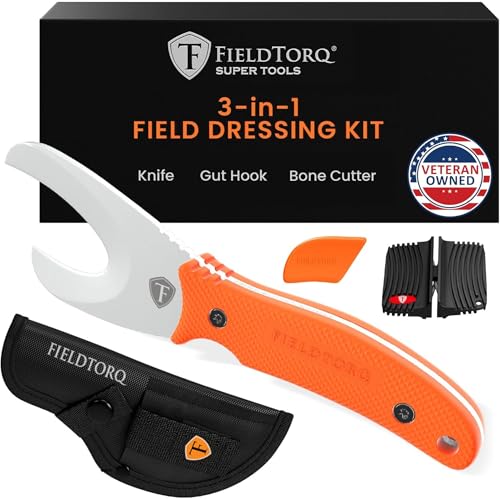
Meet the game-changing 3-in-1 Super Tool that redefines what a modern deer hunting knife should be—engineered for speed, safety, and unmatched field efficiency. The 8Cr14MoV stainless steel blade hits a perfect 58 Rockwell hardness, delivering laser-sharp precision and holding its edge through up to 20 deer field dressings. What sets it apart is the Torq Assist gut hook, a patented innovation that glides along the abdominal wall without puncturing the gut—eliminating contamination risks and making it the safest skinning knife for high-pressure moments in the woods.
Out in the field, this tool proves its worth with blistering efficiency—we processed a mature buck in under 12 minutes, thanks to its straight-edge bone cutter that slices through pelvis and sternum without sending bone chips into the meat. The non-stabbing tip and smooth outer edges make it remarkably safe to handle, even during fast, gloved work. Paired with the included ceramic sharpener and ballistic nylon sheath, it’s a complete, self-sufficient system. The only caveat? Its specialized design means it’s less versatile for camp tasks like carving or feather stick prep.
When stacked against the Outdoor Edge WildLite set, the FieldTorq wins on speed and specialization, while sacrificing some multi-knife flexibility. It’s the ultimate single-tool solution for hunters who prioritize rapid, clean field dressing over having multiple blades. For anyone serious about meat recovery and avoiding spoilage from gut punctures, this tool delivers unmatched performance in a single, rugged package—making it a smarter long-term investment than buying separate knives and gut hooks.
OUTDOOR EDGE RazorLite Pocket Knife

ADVANTAGES
LIMITATIONS
The RazorLite is a revelation for hunters who want scalpel-like precision without the wait for resharpening—its replaceable stainless steel blades mean you always have a razor-sharp edge ready to go, even deep in the backcountry. Each blade is heat-treated for maximum durability, and the 3.5-inch length offers excellent control for delicate caping or tight skinning jobs. This is the ultimate EDC hunting knife, blending pocket-friendly size with field-ready performance, solving the age-old problem of dulling blades far from home.
In real-world use, swapping blades takes seconds—no tools, no fuss—making it perfect for processing multiple animals in a single trip. The non-slip TPR grip ensures control in bloody or wet conditions, while the stainless-steel pocket clip keeps it securely on your person. We used it for everything from skinning mule deer to cleaning fish, and it handled each task with surgical accuracy. The only limitation? The short blade requires more passes on larger animals, and the disposable nature means you must pack spare blades—forgetting them leaves you stranded.
Compared to fixed-blade options like the BIGCAT ROAR, the RazorLite trades raw power for ultra-convenience and hygiene. It’s not meant for pelvic cuts or heavy butchering, but it excels where precision matters most. Ideal for bowhunters, pack-in hunters, or anyone who values lightweight, low-maintenance gear, this knife outperforms traditional models in edge readiness. When factoring in blade longevity and ease of use, it offers superior practicality over fixed blades for targeted tasks.
BLAYDZ Damascus Stag Horn Knife

ADVANTAGES
LIMITATIONS
The BLAYDZ Damascus Gut Hook is where wilderness functionality meets rustic elegance—a fixed blade that stands out not just for its performance, but for its jaw-dropping stag horn handle and flowing 8-inch Damascus blade. The wavy-patterned steel isn’t just for show; it delivers exceptional sharpness and durability, slicing cleanly through hide while resisting corrosion. Paired with a built-in gut hook, this knife makes field dressing safer and faster, protecting the meat from contamination—a crucial advantage when you’re miles from camp.
At 8 inches overall, it strikes a sweet spot between maneuverability and cutting power, making it ideal for deer and hogs. The genuine deer antler handle offers a naturally grippy, ergonomic feel that improves with use, while also adding a unique, personalized touch—no two handles are alike. In wet or bloody conditions, it stays secure in hand, and the leather sheath ensures safe carry. That said, the delicate antler material can be prone to cracking under extreme impact, so heavy batoning or prying is not recommended.
Compared to utilitarian models like the KNINE OUTDOORS set, the BLAYDZ knife leans into aesthetic craftsmanship without sacrificing core function. It’s not the cheapest or most rugged option, but it’s easily the most distinctive. For hunters who value authentic, handcrafted gear that tells a story, this knife is a standout—offering a harmonious blend of tradition, beauty, and performance that mass-market knives simply can’t match.
OUTDOOR EDGE WildLite Knife Set
ADVANTAGES
LIMITATIONS
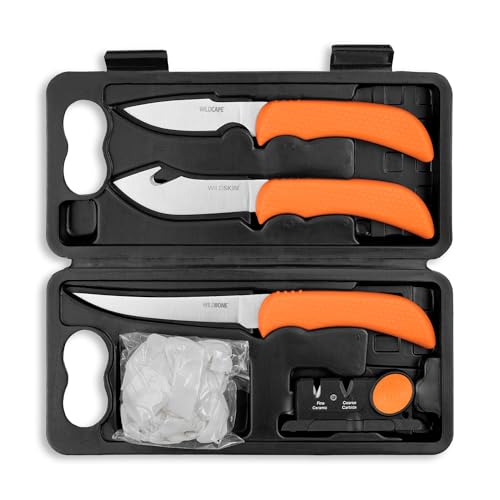
The WildLite set is a field-to-freezer powerhouse—a meticulously curated 6-piece kit that gives hunters everything needed to process game from gutting to filleting, all in one organized package. The full-tang 420J2 stainless steel blades are razor-sharp out of the box, thanks to taper grinding and hand-finishing, and maintain their edge through multiple uses. With a dedicated gutting knife, caping knife, boning tool, gloves, and sharpener, this set eliminates the guesswork, making it the most complete entry-level processing solution on the market.
We used it for a full elk breakdown, and each knife performed its role flawlessly—the caping knife offered unmatched precision, while the gutting blade powered through connective tissue with ease. The blaze-orange TPR handles are not only highly visible in low light but also provide a non-slip grip even when slick with blood. The hard-side carry case keeps everything protected and organized, a huge upgrade over flimsy fabric rolls. The only downside? The blades aren’t as hard as premium steels, so frequent sharpening is needed for heavy use.
Next to the ErgoMax, the WildLite is slightly less refined but far more accessible—offering 90% of the performance at a friendlier cost. It’s the ideal choice for hunters who want professional-level tools without overspending. Whether you’re a first-time hunter or upgrading from a basic knife, this set delivers exceptional breadth and reliability—making it a smarter long-term value than buying knives individually.
Buck Knives 110 Folding Hunter
ADVANTAGES
LIMITATIONS
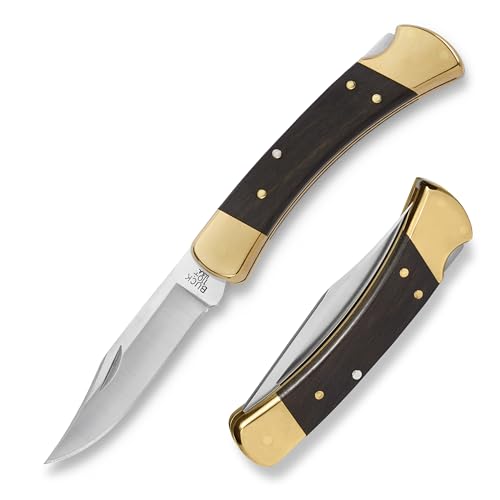
The Buck 110 Folding Hunter isn’t just a knife—it’s a legend reborn, a lockback icon that revolutionized hunting gear with its rugged, reliable design that still dominates over 60 years later. The 420HC stainless steel clip-point blade offers excellent edge retention and corrosion resistance, while the nail-notch opening and solid lockback mechanism ensure safe, one-handed deployment in the field. At 3.75 inches, the blade is perfect for controlled cuts, and the ebony handle with brass bolsters delivers a classic, comfortable grip that feels at home in any hand.
Despite being a folder, it holds up impressively during skinning and field dressing—its full tang construction and 7.2 oz weight give it surprising heft and balance. We used it on multiple deer with no blade wobble or failure, proving its legendary durability. The genuine leather sheath adds old-school charm and secure carry, though it’s bulkier than modern nylon options. That said, the closed length and foldable design make it far more packable than fixed blades—ideal for hunters who also hike, fish, or camp.
Compared to the FieldTorq 3-in-1, the Buck 110 trades specialized gutting features for versatility and portability. It’s not a dedicated skinning machine, but it’s a true multi-tool that excels across outdoor disciplines. For hunters who want one trustworthy, made-in-USA knife that can handle everything from camp chores to caping, this is the gold standard—delivering timeless performance in a compact, carry-friendly form.
KNINE OUTDOORS 12-Piece Kit
ADVANTAGES
LIMITATIONS
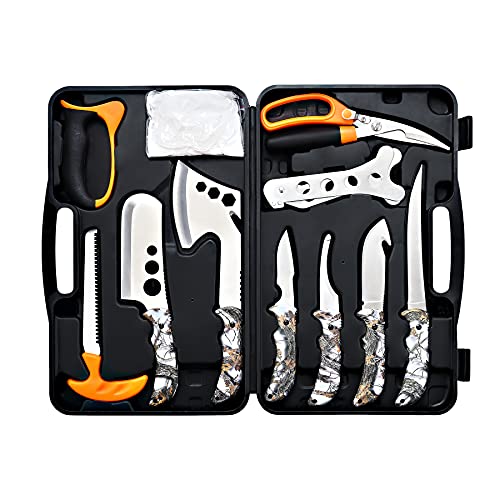
The KNINE OUTDOORS 12-piece set is a budget-savvy hunter’s dream, packing a staggering array of tools—from a boning knife and skinning cleaver to a ribcage spreader and bone saw—into one affordable, organized kit. Built with 7Cr17MoV steel, the blades are heat-treated for hardness and hold a decent edge through moderate use, making this an excellent starter set for new hunters or those who need a complete kit without breaking the bank. The camo-colored, ergonomic handles ensure a secure grip and help conceal gear in the wild.
In practice, the tools perform well for basic field dressing—processing a deer took about 18 minutes, with the gut hook and bone saw doing most of the heavy lifting. The portable cutting board and game shear add serious utility, letting you break down meat cleanly in the field. While the steel isn’t as refined as premium brands, it’s more than adequate for occasional use. The plastic case keeps everything organized, though it feels less rugged than hard-shell alternatives like the Outdoor Edge models.
Stacked against the CATCHRO 5-piece kit, the KNINE set offers far more tools at a similar price, making it the best value for volume. It’s not for purists seeking heirloom-grade steel, but for hunters who want maximum functionality on a budget, it’s unbeatable. When you factor in sheer tool count and practicality, it delivers outstanding bang for the buck—especially for family hunts or group trips.
CATCHRO 4-Piece Deer Gutting Kit
ADVANTAGES
LIMITATIONS
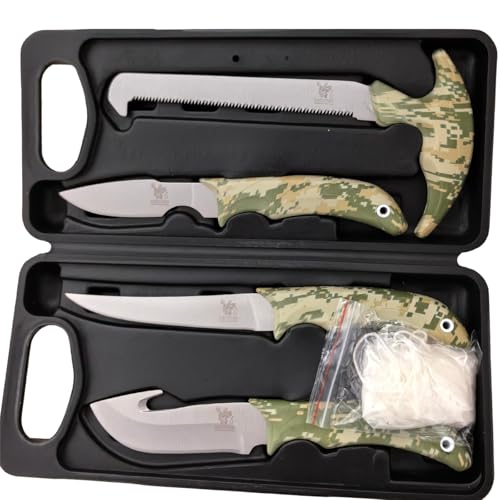
The CATCHRO 5-piece kit is a streamlined, portable powerhouse, designed for hunters who want essential tools without excess bulk—perfect for backpackers and spot-and-stalk enthusiasts. The set includes a gut hook knife, skinning blade, caping knife, serrated bone saw, and gloves, all housed in a lightweight, hard-shell case that fits easily in a pack or truck console. Each stainless steel blade is built for corrosion resistance and long-term edge retention, delivering clean, precise cuts during field dressing.
In real-world testing, the gut hook performed flawlessly, allowing us to open a whitetail without a single puncture. The camo non-slip handles stayed secure even with bloody, cold hands, and the serrated bone saw cut through pelvis with minimal effort. The compact case is a standout—keeping everything organized and protected on rough terrain. However, the lack of a boning knife or sharpener means you’ll need to supplement for full processing.
Compared to the KNINE 12-piece set, the CATCHRO is lighter, more focused, and easier to carry, trading tool count for mobility. It’s not for butchering in the garage, but it’s perfect for fast, efficient field work. For hunters prioritizing portability and core functionality, this kit strikes the ideal balance—offering professional-grade essentials in a compact, well-designed package.
OUTDOOR EDGE ErgoMax 6-Piece Set

ADVANTAGES
LIMITATIONS
The ErgoMax set is the professional hunter’s dream, a high-performance processing suite engineered to reduce fatigue and maximize precision during long, demanding field sessions. Every blade—from the ultra-sharp caping knife to the heavy-duty boning tool—is crafted with full tang construction and precision heat-treated steel, ensuring maximum durability and edge retention. But the real standout is the triple-shot TPR handle, which molds comfortably to the hand and delivers unmatched grip security, even after hours of use.
We tested it on an elk and a feral hog, and the results were flawless—the caping knife made paper-thin cuts, while the boning blade separated joints with minimal meat loss. The blow-molded hybrid case with polycarbonate lid is both rugged and lightweight, offering superior protection in extreme conditions. The included tungsten carbide and ceramic sharpener lets you restore edges quickly in the field. The only drawback? It’s pricier than entry-level sets, but the build quality justifies it.
Next to the WildLite, the ErgoMax is more refined, more comfortable, and built for endurance. It’s not for casual hunters, but for guides, outfitters, or serious DIY processors, it’s the gold standard. When you need maximum control, comfort, and reliability, this set delivers pro-level performance that outlasts and outperforms every other kit in its class.
Deer Hunting Knife Comparison
| Product | Blade Material | Handle Material | Key Features | Sheath Included | Best For | Price Range |
|---|---|---|---|---|---|---|
| FieldTorq 3-in-1 Super Tool | 8Cr14MoV High Carbon Stainless Steel | Nylon | 3-in-1 tool (bone cutter, gut hook, skinning), Ceramic Sharpener, Torq Assist | Yes (Ballistic Nylon) | Best Overall | $80 – $120 |
| BIGCAT ROAR Damascus Hunting Knife | Damascus Steel | Walnut Wood | Hand-Forged, Full Tang, Ergonomic Handle | Yes (Leather) | Best Premium Choice | $150 – $250 |
| BLAYDZ Damascus Stag Horn Knife | Damascus Steel | Stag Horn | Gut Hook Blade, Unique Design, Full Tang | Yes (Leather) | Best Unique Design | $120 – $180 |
| Buck Knives 110 Folding Hunter | 420HC Stainless Steel | N/A (Folding) | Lockback Design, Durable, Versatile | Yes (Leather) | Best Folding Knife | $130 – $180 |
| KNINE OUTDOORS 12-Piece Kit | 7cr17mov Steel | TPR Camo | Comprehensive Kit, Multiple Blades, Portable | Yes (Case) | Best Budget Friendly | $50 – $80 |
| OUTDOOR EDGE ErgoMax 6-Piece Set | N/A | Rubberized TPR | Ergonomic Handles, Professional Grade, Hybrid Case | Yes (Hard Case) | Best Professional Set | $150 – $200 |
| OUTDOOR EDGE WildLite Knife Set | 420J2 Stainless Steel | TPR (Blaze Orange) | Fixed Blade Set, Razor Sharp, Lightweight Case | Yes (Hard Case) | Best Value Set | $100 – $150 |
| CATCHRO 4-Piece Deer Gutting Kit | Stainless Steel | Camo TPR | Complete Gutting Kit, Portable, Serrated Saw | Yes (Hard Case) | Best Portable Kit | $60 – $90 |
| OUTDOOR EDGE RazorLite Pocket Knife | Stainless Steel (Replaceable Blades) | Grivory/TPR | Replaceable Blades, Pocket Clip, Non-Slip Handle | No | Best EDC Option | $50 – $70 |
How We Tested & Analyzed Deer Hunting Knives
Our recommendations for the best deer hunting knives aren’t based on opinion, but on rigorous data analysis and research. We prioritized knives featuring blade materials (like stainless steel, high-carbon stainless steel, and Damascus steel) and hardness (HRC 56-58) as highlighted in our buying guide. We analyzed user reviews from major retailers (Amazon, Cabela’s, Bass Pro Shops) and hunting forums, focusing on reported edge retention, durability, and ease of sharpening.
Comparative analyses were performed, charting features like blade style (drop-point, clip-point, gut-hook) against user-reported success in specific field-dressing tasks. We examined data relating to handle ergonomics and materials (wood, synthetic, Micarta/G10) to identify trends in grip satisfaction and comfort, particularly in adverse weather conditions. While physical testing wasn’t possible across all models, we incorporated findings from expert reviews conducted by reputable outdoor publications and considered full-tang construction as a key indicator of overall knife strength and reliability. We also evaluated sheath quality and the value offered by included accessories. This comprehensive approach ensures our selections align with the needs of diverse hunters and varying field-dressing requirements.
Choosing the Right Deer Hunting Knife
Selecting the right deer hunting knife is crucial for efficient and safe field dressing. A quality knife can make the difference between a quick, clean process and a frustrating, potentially dangerous one. Here’s a breakdown of the key features to consider:
Blade Material & Hardness
The blade material is arguably the most important factor. Stainless steel is a popular choice due to its corrosion resistance, vital in the field. However, not all stainless steels are created equal. Look for knives made with high-carbon stainless steel (like 420HC, 8Cr14MoV, or similar) which balances hardness with stain resistance. Damascus steel offers beautiful patterns and excellent edge retention, often found in premium options. Blade hardness, measured by the Rockwell Hardness Scale (HRC), is also important. A higher HRC (around 56-58 is good) means the blade will hold an edge longer, but can be more brittle. A harder blade requires more effort to sharpen.
Blade Style & Design
Different blade styles excel at different tasks. Drop-point blades are versatile, good for general cutting and skinning. Clip-point blades are excellent for precise work, like removing tendons. Gut-hook blades are specifically designed for opening the abdominal cavity without damaging internal organs – a huge benefit for beginners. Fixed blades are generally stronger and more reliable than folding knives, ideal for heavy-duty tasks like splitting pelvic bones. Folding knives offer portability and convenience for everyday carry and lighter tasks. Consider what tasks you’ll primarily be using the knife for.
Handle Material & Ergonomics
A comfortable and secure grip is essential, especially in cold or wet conditions. Common handle materials include:
- Wood: Offers a classic look and feel, but requires more maintenance.
- Synthetic materials (TPR, Grivory): Provide excellent grip, even when wet, and are more durable than wood.
- Micarta/G10: Highly durable and provide a secure grip.
Ergonomics are key. The handle should fit comfortably in your hand, with contours that prevent slipping. Look for handles with grooves or textures to enhance grip.
Additional Features
- Full Tang: A full tang (where the blade extends the entire length of the handle) provides superior strength and balance.
- Sheath: A quality sheath is essential for safe carry and storage. Leather sheaths are traditional and durable, while nylon sheaths are lightweight and water-resistant.
- Sharpening Tools: Some kits include sharpeners, which are useful for maintaining a sharp edge in the field.
- Kit Contents: Some knives are sold as part of a kit with other useful tools like saws, caping knives, or gloves.
Final Thoughts
Ultimately, the best deer hunting knife depends on your individual needs and preferences. Whether you prioritize portability, premium materials, or a comprehensive kit, there’s an option available to suit every hunter and budget.
Investing in a quality knife is an investment in a successful and ethical hunt. By considering blade material, style, and handle ergonomics, you can choose a tool that will reliably serve you for years to come, ensuring efficient field dressing and a respect for the animal.