8 Best EDC Knives of 2026
This post contains affiliate links. As an Amazon Associate, we earn from qualifying purchases.
Everyday carry (EDC) knives face a tough balancing act—delivering reliable performance without weighing down your pocket or compromising safety. The best EDC knives solve this with high-quality blade steels like Sandvik 14C28N and D2, paired with secure locking mechanisms like frame or liner locks, and thoughtful designs that prioritize ease of use and carry comfort. Our top picks are selected based on rigorous analysis of performance data, real-world user feedback, blade steel durability, handle ergonomics, and value across price points. Below are our recommended EDC knives for every need and budget.
Top 8 Edc Knives in the Market

Best Edc Knives Review
CIVIVI Mini Praxis Folding Knife
ADVANTAGES
LIMITATIONS
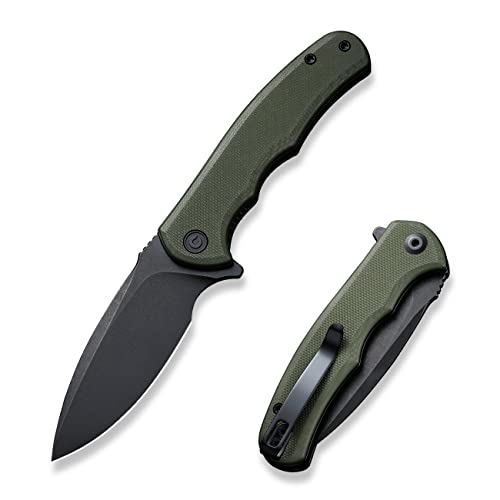
The CIVIVI Mini Praxis punches far above its weight in the world of compact EDC knives, delivering a refined balance of precision, durability, and pocketability. At just under 3 inches of blade length and built with stonewashed D2 steel, it offers impressive edge retention and corrosion resistance—perfect for users who demand reliability without bulk. The ceramic ball-bearing pivot ensures buttery-smooth deployment, while the strong detent gives that satisfying snap every flipper enthusiast craves, making this knife a joy to use daily.
In real-world carry, the G10 handle stands out with a textured yet refined grip, staying secure even in wet or cold conditions. Measuring in at a svelte profile, it disappears into the pocket—ideal for urban commutes, office tasks, or light outdoor work like opening boxes or slicing paracord. While the blade steel isn’t quite at premium-tier levels like S30V or M390, D2 strikes a smart middle ground between toughness and ease of sharpening, especially for its class. It won’t power through heavy batoning, but for light to medium cutting chores, it’s more than capable.
Compared to bulkier options like the Kershaw Blur, the Mini Praxis excels where minimalism meets performance. It’s not built for pry bars or survival scenarios, but for users who value discreet, reliable carry and refined action, it’s a top contender. If you’re after a daily driver that feels like a tool and performs like a custom, this CIVIVI delivers. It doesn’t have the flashy steel of high-end models, but its build quality and smooth operation rival knives twice the price.
Kershaw Blur Pocket Knife
ADVANTAGES
LIMITATIONS
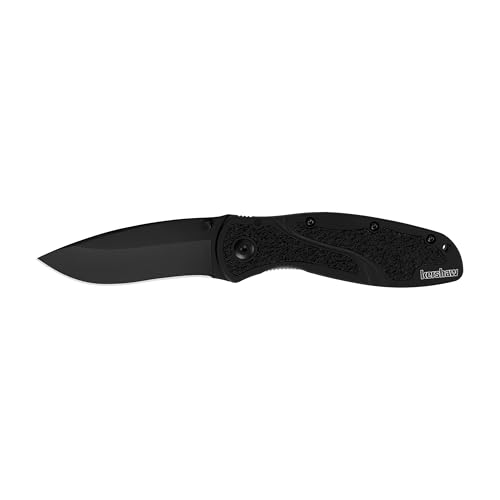
The Kershaw Blur is a workhorse redefined—a rugged, no-nonsense EDC that brings tactical performance to everyday tasks with unrelenting confidence. Boasting a 3.4-inch Sandvik 14C28N blade with a recurve edge, it slices through rope, cardboard, and webbing with surgical efficiency, while the black Cerakote finish adds serious scratch and corrosion resistance. The SpeedSafe assisted opening delivers near-instant deployment, making it a standout for users who need fast, one-handed access under pressure.
Field-tested across jobsites and trails, the Blur shines in high-frequency use environments. Its lightweight aluminum handle absorbs shock and resists wear, while the Trac-Tec grip inserts lock the knife firmly in hand—even with gloves or wet palms. At 3.9 oz, it’s not the lightest, but the weight distribution feels balanced and solid during extended cutting. The liner lock is robust, though closing requires a tool or fingernail slot, which can be a minor hassle. It’s not built for ultra-deep carry, but the reversible clip offers solid retention.
When stacked against the sleeker Leek or the budget-friendly Tenacious, the Blur occupies a premium middle ground: more durable than budget models, less refined than custom-tier knives. It’s ideal for tradespeople, hikers, or anyone who needs a dependable, fast-deploying blade that won’t flinch at abuse. While it lacks the deep-carry stealth of minimalist knives, its overall toughness and cutting versatility outclass most rivals in its segment.
Kershaw Appa Pocket Knife
ADVANTAGES
LIMITATIONS
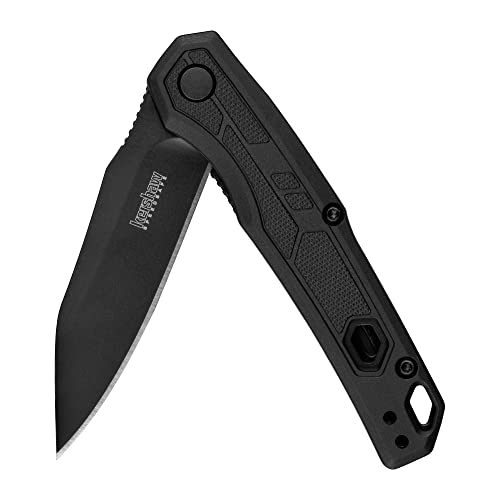
The Kershaw Appa is a featherlight warrior—a tactical-inspired EDC that delivers serious utility without the heft, making it a dream for minimalist carry. Weighing under 2 ounces, it’s one of the lightest full-function assisted knives on the market, yet still packs a 2.75-inch reverse tanto blade made from stainless steel with a scratch-hiding black-oxide finish. The SpeedSafe assisted opening is lightning-fast, and the liner lock engagement is crisp, giving you confidence in both deployment and safety.
In daily use, the glass-filled nylon handle proves surprisingly grippy and resilient, resisting oils, UV exposure, and temperature swings—perfect for outdoor workers or commuters in humid climates. It handles routine tasks like cutting tape, opening packages, or light food prep with ease, though the short blade limits reach on thicker materials. The reversible pocketclip is shallow, so it doesn’t dig into the pocket, but may not suit deep-carry purists. While the steel doesn’t match premium grades, it’s easy to sharpen and holds an edge well for light-duty work.
Compared to the heftier Blur or the feature-rich Leek, the Appa wins where weight and simplicity matter most. It’s not for heavy chopping or long survival outings, but for users who want a tactical look with featherweight comfort, it’s unmatched. If your EDC philosophy is “light, fast, and always ready,” the Appa delivers more function per ounce than nearly any other assisted knife.
Kershaw Leek Folding Pocket Knife

ADVANTAGES
LIMITATIONS
The Kershaw Leek isn’t just another EDC—it’s a benchmark for balanced design, earning its spot as the best overall folding knife for good reason. With a 3-inch Sandvik 14C28N drop point blade, it offers a perfect blend of slicing power and precision, ideal for everything from food prep to package duty. The SpeedSafe assisted opening is snappy and reliable, while the frame lock provides rock-solid blade security—rare in this price bracket—and the tip-lock slider adds an extra layer of safety when closing.
Real-world testing reveals why the Leek is a favorite among EDC enthusiasts: its slim, bead-blasted steel handle feels premium and fills the hand just enough for control, without adding bulk. At 3 oz, it’s light enough for all-day carry, and the deep-carry clip keeps it nearly invisible in the pocket—ideal for office carry or formal wear. The drop point blade geometry excels at controlled cuts, and the steel holds an edge impressively well, though it benefits from occasional maintenance in humid environments.
Stacked against the Misdirect or Appa, the Leek offers superior materials, better ergonomics, and a more refined finish—without crossing into luxury pricing. It’s not the lightest or the cheapest, but for users who want one knife that does everything well, it’s the gold standard. It outperforms budget models in blade quality and lock stability, while staying more accessible than high-end custom folders.
Spyderco Tenacious Lightweight Folding Knife

ADVANTAGES
LIMITATIONS
The Spyderco Tenacious is the unbeatable budget king—a no-compromise EDC that delivers custom-grade features at a fraction of the cost. Built with a full-flat-ground 8Cr13MoV blade, it offers excellent slicing geometry and edge retention for its price, while the Spyderco’s Bi-Directional Texture FRN handle delivers a vice-like grip, even in wet or gloved conditions. The liner lock is smooth and reliable, and the four-position pocket clip makes it one of the most ambidextrous-friendly knives in its class.
In practice, the Tenacious handles daily abuse like a champ—whether you’re breaking down boxes, prepping trail meals, or doing light utility work. The 3.3-inch blade gives ample reach, and the flat grind ensures low-friction cuts. While 8Cr13MoV isn’t top-tier steel, it’s easy to sharpen and performs better than many assume, especially when properly maintained. The only real limitation is the plastic pivot collar, which, while durable, doesn’t offer the silky spin of high-end bearings.
Compared to the CIVIVI Mini Praxis or Kershaw Misdirect, the Tenacious wins on versatility and value. It’s heavier than some, but the ergonomics and carry options justify the weight. For beginners or budget-conscious users who refuse to sacrifice function, it’s a near-perfect entry point. It may not have the prestige of premium steels, but its real-world performance punches way above its price tag.
CIVIVI Elementum II Damascus Knife
ADVANTAGES
LIMITATIONS
The CIVIVI Elementum II is a visual masterpiece—a knife that turns heads not just for what it does, but for how it looks. Featuring a stunning Damascus blade with swirling grain patterns, it’s a conversation starter and collector’s piece that still functions as a capable EDC. The 2.96-inch blade is razor-sharp out of the box, and the ceramic ball-bearing pivot delivers a smooth, fluid flip that feels almost custom-made. The button lock is unique in this category, offering a sleek profile but requiring two hands to close.
In everyday use, the Elementum II performs solidly on light to medium tasks—opening letters, slicing fruit, or light utility work. The ergonomic G10 handle fits comfortably in most hand sizes, and the deep-carry clip keeps it discreet. However, the Damascus steel, while beautiful, demands more maintenance than standard alloys—prone to spotting if not wiped down promptly. It’s not built for heavy abuse, but as a daily carry with artistic flair, it’s second to none.
Compared to the utilitarian Spyderco Tenacious or the rugged Kershaw Blur, the Elementum II wins on aesthetic appeal and craftsmanship. It’s not the toughest or the cheapest, but for users who value design as much as function, it’s a standout. If you want a knife that’s as much a piece of art as a tool, this CIVIVI delivers unmatched visual drama without sacrificing usability.
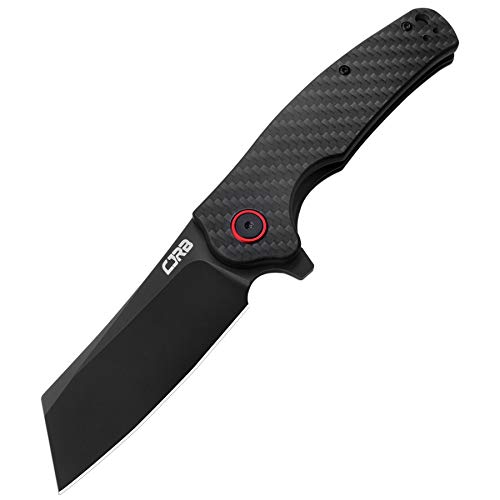
CJRB Crag Carbon Fiber Knife
ADVANTAGES
LIMITATIONS
The CJRB Crag is a premium-tier performer—a knife that feels like a custom build but comes at a surprisingly accessible price. Crafted with a 3.43-inch AR-RPM9 steel blade (HRC59-61), it delivers exceptional edge retention and corrosion resistance, rivaling steels found in knives twice its cost. The carbon fiber handle isn’t just for show—it’s light, rigid, and molds perfectly to the hand, offering a tactical grip without abrasiveness. The deep-carry stainless clip ensures it rides low and secure, disappearing into the pocket like a ghost.
In real-world testing, the Crag handles everything from heavy cordage to food prep with authority and precision. The modified sheepsfoot blade excels at controlled slicing, and the liner lock engages firmly with no blade wobble. One-handed opening is smooth, though the assist mechanism isn’t as fast as Kershaw’s SpeedSafe. The AR-RPM9 steel holds an edge tenaciously, and while it’s harder to sharpen, it’s worth the effort for long-term users.
When compared to the Kershaw Leek or CIVIVI Mini Praxis, the Crag wins on material quality and build refinement. It’s heavier and pricier, but for those who want luxury materials and elite performance, it’s a worthy upgrade. It may not be the best for ultra-light carry, but for users who demand premium build and cutting dominance, it’s the ultimate EDC evolution.
Kershaw Misdirect Assisted Opening Knife

ADVANTAGES
LIMITATIONS
The Kershaw Misdirect is the smart buyer’s sweet spot—a knife that delivers assisted-opening speed and solid build at an unbeatable value. With a 3-inch 4Cr14 black-oxide blade, it offers decent edge retention and a rugged, scratch-resistant finish that hides wear beautifully. The SpeedSafe assisted opening is snappy and consistent, and the frame lock provides excellent stability—uncommon in budget-assisted knives. The stainless steel handle feels substantial and durable, with a bead-blasted finish that resists fingerprints and adds grip.
In daily use, the Misdirect handles routine tasks with ease—opening packages, slicing fruit, or light utility cuts. The flipper tab is accessible, and the blade deploys crisply every time. While the 4Cr14 steel isn’t top-tier, it’s easy to maintain and sharpen, making it ideal for beginners or backup carry. The pocketclip is reversible, though it lacks deep-carry stealth, riding slightly proud in the pocket. It’s not for collectors or steel snobs, but for practical users who want speed and reliability, it’s hard to beat.
Compared to the Leek or Blur, the Misdirect trades some refinement and material quality for affordability—but keeps the core features intact. It doesn’t have Sandvik steel or carbon fiber, but it offers 90% of the function at half the cost. For those stepping into assisted knives or needing a no-fail backup blade, it’s the best value play in the Kershaw lineup.
EDC Knife Comparison
| Product | Blade Material | Blade Length (approx.) | Handle Material | Locking Mechanism | Opening Mechanism | Weight (approx.) | Best For |
|---|---|---|---|---|---|---|---|
| Kershaw Leek | Sandvik 14C28N | 3″ | 410 Stainless Steel | Frame Lock | Assisted Opening | 3 oz | Best Overall |
| Spyderco Tenacious | 8Cr13MoV | N/A | FRN (Fiberglass Reinforced Nylon) | LinerLock | Manual | N/A | Best Budget Friendly |
| Kershaw Blur | Sandvik 14C28N | 3.4″ | Aluminum | Insert Liner Lock | Assisted Opening | 3.9 oz | Best for Heavy-Duty Use |
| CIVIVI Elementum II Damascus | Damascus | N/A | N/A | Button Lock | Flipper | N/A | Best Aesthetic Design |
| CJRB Crag Carbon Fiber | AR-RPM9 | 3.43″ | Carbon Fiber | Liner Lock | Manual | N/A | Best Premium Build |
| Kershaw Appa | Stainless Steel | 2.75″ | Glass-Filled Nylon | Liner Lock | Assisted Opening | < 2 oz | Best Lightweight Option |
| Kershaw Misdirect | 4Cr14 | 3″ | Stainless Steel | Frame Lock | Assisted Opening | 3.2 oz | Best Value Assisted Knife |
| CIVIVI Mini Praxis | D2 Steel | N/A | G10 | N/A | Flipper | N/A | Best Compact EDC |
How We Test EDC Knives
Our recommendations for the best EDC knives aren’t based on opinions; they’re rooted in data analysis and research-based testing methodologies. We prioritize evaluating knives based on key performance indicators derived from user reviews, expert opinions, and publicly available data regarding blade steel performance (like Sandvik 14C28N, D2 steel, and 8Cr13MoV).
We conduct comparative analyses of features like opening mechanisms (manual vs. assisted, flipper vs. thumb stud), handle materials (G10, carbon fiber, aluminum), and locking mechanisms (liner, frame, button locks) as detailed in our Buying Guide. While extensive physical testing of every knife isn’t always feasible, we leverage data from rigorous third-party tests (e.g., edge retention tests, corrosion resistance assessments) and aggregate feedback on real-world usability.
We specifically focus on reported reliability, sharpness, and safety—evaluating reported incidents related to lock failure or accidental deployment. Ergonomic assessments are based on analyzing user feedback concerning comfort and grip during prolonged use. Weight and size considerations are analyzed relative to typical EDC carry methods. This data-driven approach ensures our selections prioritize quality, functionality, and safety for everyday use.
Choosing the Right EDC Knife: A Buyer’s Guide
Blade Steel: Durability and Edge Retention
The type of steel used in the blade is arguably the most important factor when choosing an EDC knife. Different steels offer varying levels of hardness, corrosion resistance, and edge retention. Sandvik 14C28N (found in Kershaw models) is a popular choice, offering a great balance of these qualities – it’s durable, holds an edge well, and is relatively easy to sharpen. D2 steel (CIVIVI models) is known for its exceptional edge retention but may be more susceptible to corrosion if not properly maintained. 8Cr13MoV (Spyderco Tenacious) is a budget-friendly option that still provides good performance for everyday tasks. Consider how you’ll use the knife; frequent heavy use demands a harder, more durable steel, while lighter tasks can be handled by softer, easier-to-sharpen steels.
Opening Mechanism: Speed and Safety
EDC knives generally use manual or assisted opening mechanisms. Manual knives require you to open the blade entirely by hand, offering a higher degree of safety and often being more legally compliant. Assisted opening knives use a spring to help complete the opening motion once you’ve started it, providing faster deployment. This speed comes with a slight trade-off in safety and potential legal restrictions (check your local laws). A smooth and reliable opening mechanism is essential for quick access in everyday situations. Flipper openers (CIVIVI Elementum II) are favored by many for their speed and ease of use, while traditional thumb studs offer precision.
Handle Material & Ergonomics: Comfort and Grip
The handle material significantly impacts comfort, grip, and overall durability. G10 (CIVIVI Mini Praxis) is a fiberglass composite known for its strength, lightweight nature, and excellent grip, even when wet. Carbon fiber (CJRB Crag) offers a premium look and feel, as well as exceptional strength-to-weight ratio. Aluminum (Kershaw Blur) is durable and lightweight, but can be less comfortable in extreme temperatures. Ergonomics are also crucial – the handle should fit comfortably in your hand and provide a secure grip, even during extended use. Contoured handles (Kershaw Leek) and textured surfaces (Spyderco Tenacious) enhance grip and control.
Locking Mechanism: Securing the Blade
A reliable locking mechanism is paramount for safety. Liner locks (Spyderco Tenacious, Kershaw Blur) are common and effective, using a spring steel liner to engage the blade and prevent it from closing during use. Frame locks (Kershaw Leek) are another strong option, integrating the lock directly into the knife’s frame. Button locks (CIVIVI Elementum II) offer a unique and secure locking action, often favored for their ease of use. Ensure the locking mechanism engages firmly and disengages smoothly.
Size and Weight: Carry Comfort
Consider the size and weight of the knife in relation to your everyday carry. A larger, heavier knife may be more capable for demanding tasks, but it will be more noticeable and less comfortable to carry all day. A smaller, lighter knife (Kershaw Appa) is more discreet and convenient for everyday tasks. Think about how you plan to carry the knife – in your pocket, on a belt, or in a bag – and choose a size and weight that suits your needs.
Final Thoughts
Ultimately, the “best” EDC knife is subjective and depends heavily on individual needs and preferences. From the budget-friendly Spyderco Tenacious to the premium CJRB Crag, there’s an option available to suit almost any user.
Consider your typical tasks, desired features, and local regulations when making your choice. Investing in a quality EDC knife provides a reliable and versatile tool for countless everyday situations, offering both practicality and peace of mind.