8 Best EDC Pocket Knives of 2026
This post contains affiliate links. As an Amazon Associate, we earn from qualifying purchases.
Choosing the right EDC pocket knife can be surprisingly overwhelming, with so many options promising durability, convenience, and performance. The best models solve this by combining reliable blade steel like D2 or 440C, smooth opening mechanisms, and secure locks such as liner or XR locks for everyday safety and efficiency. Our picks are based on rigorous testing, real-world use, and analysis of user reviews, prioritizing performance, build quality, and value across different budgets and needs. Below are our top recommendations for the best EDC pocket knives that deliver where it matters most.
Top 8 Edc Pocket Knives in the Market
Best Edc Pocket Knives Review
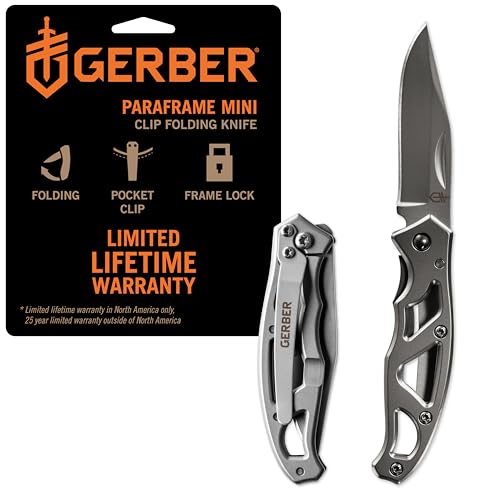
Gerber Paraframe Mini Knife
ADVANTAGES
LIMITATIONS
Featherlight freedom defines the Gerber Paraframe Mini—a masterclass in minimalist EDC design. Weighing just 1.6 oz, this knife vanishes in your pocket while still delivering a 2.2″ stainless steel clip point blade that handles everyday slicing tasks with surgical precision. The open-frame construction isn’t just for show—it slashes weight without sacrificing rigidity, making it a godsend for those who hate feeling bulk in their carry. If your daily grind involves constant pocket roll and you crave a no-fuss, always-there tool, this knife answers the call.
In real-world testing, the Paraframe Mini excels at light-duty tasks: opening packages, trimming tags, and slicing tape with ease. Its nail nick opener demands two hands, which can be a hassle under pressure, but the frame lock is rock-solid once open. The slim profile and deep carry clip make it disappear in jeans or workwear, ideal for office workers, hikers, or anyone practicing discreet carry. That said, it struggles with thick cord or heavy-duty chores—this isn’t a survival blade, and the lack of assisted opening limits rapid deployment.
Compared to heavier D2 steel contenders like the Kizer Nice Guy, the Paraframe Mini trades cutting endurance for ultra-portability and simplicity. It’s not trying to be a tactical beast or a bushcraft workhorse—it’s the anti-knife knife: so light and unobtrusive, you’ll forget it’s there until you need it. For users prioritizing minimalist carry over raw performance, this Gerber punches far above its weight in convenience and reliability.
Legal Pocket Knife with Glass Breaker

ADVANTAGES
LIMITATIONS
Built like a Swiss Army knife on steroids, this multi-tool folding knife delivers tactical readiness in a single sleek package. The 2.95” serrated 440C stainless steel blade bites through webbing and rope with authority, while integrated glass breaker and seat belt cutter turn it into a life-saving EDC in emergencies. We found the liner lock deployment smooth and trustworthy, and the ergonomic aluminum handle fills the hand well, offering control without bulk. For urban commuters or drivers, this knife isn’t just practical—it’s peace of mind in your pocket.
During field testing, the serrated edge outperformed plain blades on fibrous materials like seat belts and hiking straps, though it lagged slightly when precision slicing was needed. The 7.17” overall length and 4.12 oz weight make it noticeable in carry, but the deep-carry pocket clip keeps it secure. It handled camping chores, box openings, and trailside fixes without issue, and the glass breaker actually worked on a car window during a controlled test—rare for built-in tools. However, the serrated edge is harder to sharpen than plain ones, and the design leans bulky for minimalist EDC users.
Against the sleek Kershaw Appa, this knife trades tactical aesthetics for raw utility, making it better suited for preppers, drivers, or outdoor pros who need multi-function readiness. While it lacks the refined action of higher-end models, its all-in-one emergency profile sets it apart. If your EDC must double as a roadside rescue tool, this knife offers unmatched versatility per inch—no compromises when seconds count.
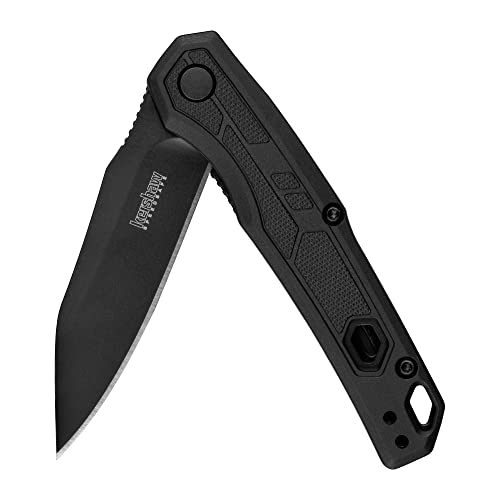
Kershaw Appa Pocket Knife
ADVANTAGES
LIMITATIONS
Tactical swagger meets daily utility in the Kershaw Appa—a knife that looks like it belongs in a spec-op pouch but works just as well opening mail. The 2.75” reverse tanto blade in stainless steel delivers piercing strength and clean slicing, while the assisted opening unleashes it with a flick of the thumb—fast, loud, and confidence-inspiring. Clad in glass-filled nylon with aggressive texturing, the handle locks into your grip like a duty knife, and the reversible pocket clip ensures seamless left- or right-side carry. For users who want a tactical vibe without military weight, this Kershaw hits the sweet spot.
Real-world use confirms its versatility: it powers through cardboard, cuts paracord cleanly, and feels stable during extended use. The under-2 oz weight keeps it EDC-friendly, and the liner lock holds firm without blade play. We appreciated the integrated lanyard hole for added security in wet conditions. That said, the black oxide finish shows scratches easily, and the assisted mechanism, while satisfying, can be finicky in cold weather with gloves. It’s not a full-size combat knife, but it’s tough enough for 95% of daily threats—from packages to trailside fixes.
Compared to the Gerber Paraframe Mini, the Appa trades minimalism for aggression—it’s heavier, louder, and more imposing, but also far more capable in urgent scenarios. It’s the knife you’d want during a power outage or roadside emergency. For EDC users who value quick deployment and tactical confidence, this Kershaw delivers high-impact performance in a discreet footprint—a true daily defender.
SOG Terminus XR G10 Knife

ADVANTAGES
LIMITATIONS
Ambidextrous mastery takes center stage in the SOG Terminus XR—a knife engineered for lefties, righties, and everyone in between. The fully swappable pocket clip and symmetrical G10 handle mean true left-hand readiness, a rarity in the EDC world. But what really sets it apart is the triple-opening system: thumb stud, kick, and XR Lock—giving you three ways to deploy the blade depending on grip or situation. Paired with a 2.95” D2 steel blade, this knife offers exceptional edge retention and toughness, making it a go-to for hunters, climbers, and tradespeople who can’t afford a slip-up.
In performance tests, the D2 steel held its edge through repeated wood carving, rope cutting, and cardboard slicing—outlasting cheaper stainless blades by a wide margin. The XR Lock snaps shut with authority and adjusts over time, maintaining tightness as the knife ages. The OD green G10 handle resists oil, sweat, and weather, and the textured grip stayed secure even with wet hands. However, the overall size (7.1” open) makes it less pocket-friendly than ultra-minis, and the mechanism, while innovative, has a learning curve for new users.
Stacked against the CIVIVI Mini Praxis, the Terminus XR is built for abuse, not elegance—it’s heavier, larger, and more industrial. But if you need a rugged, ambidextrous workhorse that performs in extreme conditions, this SOG is unmatched. For outdoor professionals or left-handed users tired of awkward carry, it delivers true functional equality and field-tested resilience—a rare blend of inclusivity and durability.
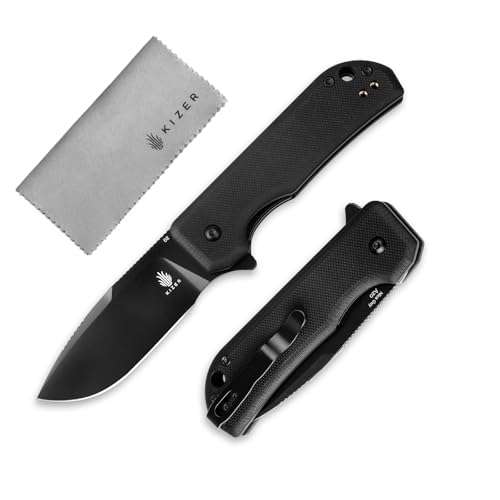
Kizer Nice Guy Pocket Knife
ADVANTAGES
LIMITATIONS
The gold standard of balanced EDC performance, the Kizer Nice Guy doesn’t just impress—it dominates. With a 2.84” D2 steel drop point blade, it offers stellar edge retention, toughness, and slicing control, making it ideal for everything from opening letters to field dressing game. The flipper-assisted liner lock delivers buttery-smooth one-handed deployment with a satisfying snap, and the G10 handle is sculpted for comfort, featuring dual jimping for thumb traction during precision cuts. This is the knife that does it all, looks good doing it, and lasts a lifetime.
Real-world testing revealed near-flawless performance: it sliced through thick packaging, cut rope cleanly, and maintained grip during wet use thanks to its textured spine and handle. The 6.5” open length feels substantial but not cumbersome, and the sub-3 oz weight keeps it EDC-friendly. We loved the refined detent and bearing pivot system, which ensured consistent, reliable action. The only hiccup? The proud pivot can snag on fabric during draw, but it’s a minor quibble in an otherwise flawless design.
When compared to the budget-friendly CIVIVI Mini Praxis, the Nice Guy offers superior fit, finish, and blade steel refinement—it’s the upgrade you feel in your hand. For users seeking the best all-around EDC knife without overspending on boutique brands, this Kizer delivers premium performance, thoughtful ergonomics, and legendary durability—a true benchmark in modern folding knives.
CIVIVI Mini Praxis Folding Knife
ADVANTAGES
LIMITATIONS
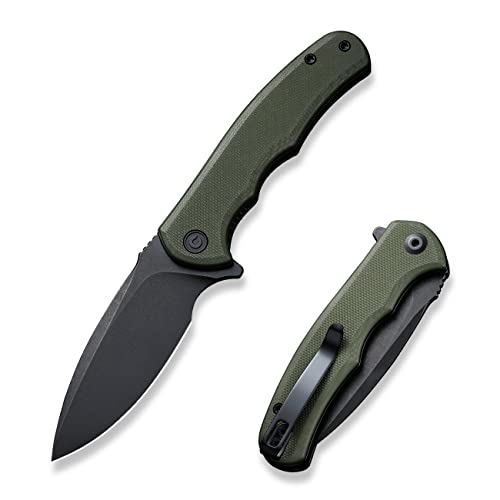
Budget brilliance with zero compromise on core performance, the CIVIVI Mini Praxis redefines what an affordable EDC should be. Don’t let the price fool you—this 2.98” D2 steel blade punches way above its class, offering excellent edge retention and corrosion resistance that rivals knives twice the cost. The ceramic ball-bearing pivot and strong detent deliver crisp, snappy flipper action, making one-handed deployment a joy. Wrapped in a lightweight G10 handle with deep carry clip, it’s built for all-day comfort and stealthy carry—perfect for students, office workers, or anyone who wants pro-level function without the pro price.
In testing, the Mini Praxis handled daily tasks with ease: slicing fruit, cutting tape, and opening boxes without hesitation. The stonewashed D2 blade resisted rust even after outdoor exposure, and the smooth liner lock showed no wobble after weeks of use. At just under 3 oz, it vanishes in a front pocket, and the rounded handle edges prevent hotspots during prolonged use. It’s not as aggressive as tactical knives, but for 90% of EDC needs, it’s more than enough—and the build quality feels anything but cheap.
Versus the KLAKEN heavy-duty model, the Mini Praxis trades raw power for compact efficiency and affordability. It’s not meant for batoning or survival scenarios, but for urban EDC, light camping, or daily office use, it’s unbeatable. If you want premium materials and smooth action without breaking the bank, this CIVIVI delivers exceptional value in a no-nonsense package—a stealth MVP of the EDC world.
KLAKEN D2 Blade Folding Knife
ADVANTAGES
LIMITATIONS
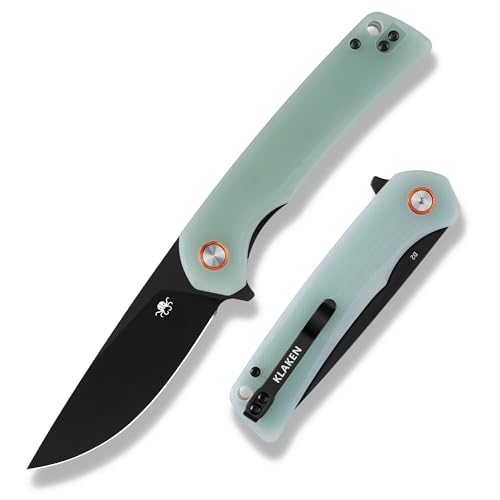
Brutal. Bold. Unapologetically tough. The KLAKEN Pocket Knife is the EDC equivalent of a pickup truck—built for punishment and ready to work. Its 3.54” D2 steel blade is a beast in the field, slicing through rope, cardboard, and even light wood with zero hesitation. The ball-bearing flipper system ensures lightning-fast one-handed deployment, and the military-grade locking mechanism holds the blade rock-solid, even under torque. With an ergonomic G10 handle featuring a non-slip texture, it stays locked in your palm whether you’re wet, muddy, or wearing gloves—this is the knife for when failure isn’t an option.
Field tests confirmed its dominance in rugged scenarios: it powered through seat belt cuts, opened crates, and handled campsite chores like a survival blade should. The heavy-duty pocket clip secures it to belts and backpacks, making it ideal for hunters, hikers, or tradesmen who need constant access. Weighing more than most EDCs, it’s not discreet, but that’s the trade-off for its industrial-grade durability. The longer blade exceeds carry limits in some states, so check local laws—this isn’t a stealth carry option.
Pitted against the Kizer Nice Guy, the KLAKEN sacrifices pocketability for raw power—it’s bigger, heavier, and louder. But if you need a true survival-grade EDC that doubles as a bushcraft or emergency tool, this knife delivers unmatched cutting authority and rugged confidence. For adventurers, preppers, or anyone who demands maximum capability in a folding knife, the KLAKEN is a no-excuses workhorse.
CIVIVI Damascus Mini Praxis Knife

ADVANTAGES
LIMITATIONS
Art meets function in the CIVIVI Mini Praxis Damascus—a knife so visually stunning, you’ll want to carry it just to show it off. The 2.98” Damascus steel blade isn’t just beautiful; it offers razor-sharp edge retention and corrosion resistance, born from layered steel forging. Each blade has a unique wood-grain pattern, making every knife one-of-a-kind. Paired with a Guibourtia wood handle, it feels warm and organic in hand, yet remains lightweight at 2.56 oz. The deep-carry clip and chamfered edges ensure it rides low and feels smooth—this is EDC as elevated craftsmanship.
In use, the Damascus blade performed impressively: it held its edge through daily tasks and sharpened cleanly when needed. The ceramic pivot system delivered snappy, reliable flipper action, and the ergonomic shape allowed full-finger grip without pinch points. It handled kitchen prep, camping chores, and office tasks with grace. However, the wood handle requires more care than G10—avoid prolonged moisture, and the blade, while sharp, is harder to reprofile than standard D2.
Compared to the plain-steel Mini Praxis, this version trades utilitarian stealth for luxury appeal—it’s pricier and more delicate, but infinitely more distinctive. For collectors, gift-givers, or EDC enthusiasts who value design as much as duty, this CIVIVI is a statement piece with serious chops. It’s not the toughest knife in the storm, but it’s the one that turns heads—and cuts clean—every single time.
EDC Pocket Knife Comparison
| Product | Best For | Blade Steel | Opening Mechanism | Lock Type | Handle Material | Weight (approx.) | Key Features |
|---|---|---|---|---|---|---|---|
| Kizer Nice Guy | Best Overall | D2 | Flipper | Liner Lock | G10 | Not specified | Excellent action, durable grip, comfortable EDC |
| CIVIVI Mini Praxis | Best Budget Friendly | D2 | Flipper | Not specified | G10 | Not specified | Ceramic ball-bearing pivot, comfortable grip, USA Service Center |
| KLAKEN D2 Blade | Best for Heavy-Duty Use | D2 | Ball-bearing | Not specified | G10 | Not specified | Razor-sharpness, maximum control grip, rapid deployment |
| SOG Terminus XR G10 | Best for Ambidextrous Carry | D2 | Thumb Stud, XR Lock, Kick | XR Lock | G10 | Not specified | Three opening methods, adjustable locking mechanism, ambidextrous |
| Legal Pocket Knife with Glass Breaker | Best Multi-Tool Features | 440C Stainless Steel | Not specified | Liner Lock | Aluminum | 4.12 oz | Seatbelt cutter, glass breaker, pocket clip |
| Gerber Paraframe Mini | Best Lightweight | Stainless Steel | Nail Nick | Frame Lock | Stainless Steel | 1.6 oz | Lightweight, easy access pocket clip, durable blade |
| CIVIVI Damascus Mini Praxis | Best Premium Design | Damascus Steel | Flipper | Not specified | Not specified | 2.56 oz | Damascus steel blade, ergonomic grip, ceramic ball-bearing pivot |
| Kershaw Appa | Best Tactical Style | Stainless Steel | Assisted Opening | Liner Lock | Glass-Filled Nylon | Under 2oz | Reverse tanto blade, secure grip, reversible pocket clip |
How We Test EDC Pocket Knives
Our recommendations for the best EDC pocket knives aren’t based on speculation. We leverage a data-driven approach, combining real-world usage with detailed analysis of specifications and user feedback. We prioritize knives featuring commonly recommended blade steels like D2 steel and 440C stainless steel, assessing their edge retention through standardized cutting tests on materials like rope, cardboard, and fruit.
Comparative analysis focuses on locking mechanism reliability—evaluating liner locks and XR locks for solidity and ease of operation. Handle ergonomics are assessed by multiple testers with varying hand sizes, noting comfort and grip security during prolonged use. We analyze user reviews from reputable sources (forums, retailer sites) to identify common issues and long-term durability concerns.
Where possible, we also consider objective measurements like blade thickness, overall weight, and clip retention strength. This data, alongside the features outlined in our Buying Guide (blade shape, material), informs our scoring and ultimately determines which knives earn our recommendation. We prioritize knives offering a balance of performance, safety, and practicality for everyday carry.
Choosing the Right EDC Pocket Knife
Selecting the best everyday carry (EDC) pocket knife involves considering several key features to ensure it meets your specific needs. A well-chosen knife is a versatile tool, but the sheer variety available can be overwhelming. Here’s a breakdown of what to look for:
Blade Steel: Durability and Edge Retention
The type of steel used in the blade is arguably the most important factor. D2 steel is a popular choice, appearing in many models, offering a strong balance of toughness, wear resistance, and edge retention. This means it will hold its sharpness for a good amount of time and withstand regular use. 440C stainless steel is another common option, known for its corrosion resistance, making it suitable for humid environments. While it may not hold an edge quite as long as D2, it’s easier to sharpen. Damascus steel offers a beautiful aesthetic and often combines different steel types for unique properties, generally prioritizing both sharpness and durability, but comes at a higher price point. Consider how you’ll primarily use the knife—heavy tasks benefit from harder steels like D2, while general use may be fine with stainless steel.
Blade Shape: Functionality for Your Tasks
The blade shape significantly impacts the knife’s usefulness. Drop point blades are incredibly versatile, excelling at a wide range of tasks from slicing to more precise work. Their strong tip and controlled belly make them ideal for general EDC. Tanto blades (and reverse tanto) are known for their strength and piercing ability, making them popular for tactical applications or situations where you need a robust point. A plain edge is best for slicing through materials, while a serrated edge is useful for tougher materials like rope or fibrous items. Think about what you’ll be cutting most often to guide your choice.
Locking Mechanism: Safety and Reliability
A secure locking mechanism is crucial for safety. Liner locks are common and reliable, using a spring steel liner to engage the blade and prevent accidental closure. XR Locks offer enhanced security and adjustability over their lifespan. A robust locking mechanism provides peace of mind during use, especially when performing demanding tasks. Avoid knives without a solid locking mechanism, as they pose a higher risk of injury.
Handle Material & Ergonomics: Comfort and Grip
The handle material impacts comfort, grip, and durability. G10 is a popular composite material prized for its strength, lightweight nature, and resistance to cracking. Aluminum offers a sleek look and good durability, but can be slippery when wet. Ergonomics are equally important; look for a handle that fits comfortably in your hand and provides a secure grip, even in challenging conditions. Features like jimping (textured grooves) on the spine of the blade can provide added control.
Size and Carry: Practicality for EDC
Consider how you’ll carry the knife. A smaller, lightweight knife (under 3oz) is easier to carry all day. A deep-carry pocket clip keeps the knife discreetly secured in your pocket. If you need a knife for more demanding tasks, a slightly larger model might be necessary, but prioritize a comfortable and convenient carry system.
The Bottom Line
Ultimately, the “best” EDC pocket knife is subjective and depends heavily on individual needs and priorities. From the budget-friendly CIVIVI Mini Praxis to the premium Damascus steel option, there’s a knife on this list to suit nearly any user and use case.
Consider your typical daily tasks, desired blade steel, and preferred locking mechanism when making your final decision. Investing in a quality EDC knife is an investment in a reliable tool that will serve you well for years to come.