8 Best Hiking Knives of 2026
This post contains affiliate links. As an Amazon Associate, we earn from qualifying purchases.
Choosing the right hiking knife can be tough when you need a reliable tool that won’t let you down in the backcountry, especially when faced with unpredictable conditions and demanding tasks. The best hiking knives combine durable blade materials like Sandvik 12C27 or D2 steel with ergonomic handles and practical features—such as fire starters, full tang construction, or secure sheaths—to deliver consistent performance where it matters most. Our top picks are based on in-depth analysis of blade quality, real-world user reviews, weight, locking mechanisms, and versatility, ensuring each recommendation balances strength, portability, and value for every type of hiker. Below are our top-rated hiking knives to match your outdoor needs.
Top 8 Hiking Knives in the Market
Best Hiking Knives Review
CIVIVI Mini Praxis Folding Knife
ADVANTAGES
LIMITATIONS
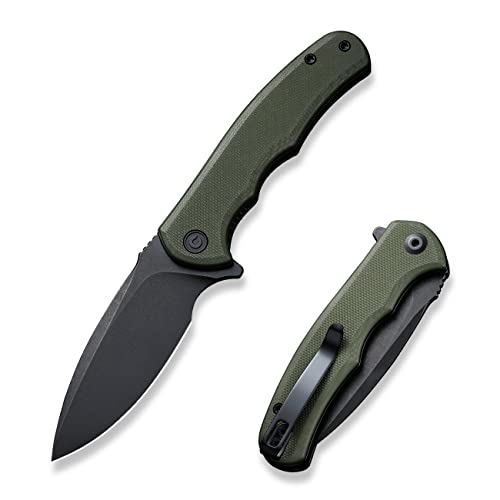
The CIVIVI Mini Praxis punches far above its weight with a stonewashed D2 steel blade that delivers exceptional edge retention and corrosion resistance—rare in sub-3-inch EDC knives. Its G10 handle offers a premium, no-slip grip while keeping weight down, making it a discreet yet durable companion for daily tasks and light trail work. Designed for smooth one-handed deployment, the ceramic ball-bearing pivot and strong detent make opening this knife feel satisfyingly crisp, addressing the common frustration of sticky or sluggish flippers in budget-friendly models.
In real-world use, the 2.98-inch blade excels at precision cutting—slicing paracord, opening packages, or prepping kindling—but isn’t built for heavy chopping or batoning. It weighs just under 3 ounces and slips unobtrusively into a pocket thanks to its deep-carry clip, ideal for hikers who value minimal bulk and maximum accessibility. While the blade performs admirably on wood and rope, it can struggle with denser materials like thick leather or hardwoods, where a full-tang fixed blade would dominate. Still, for urban carry or light-duty trail use, it’s impressively capable.
Compared to the Morakniv Companion, the Mini Praxis trades raw durability for superior portability and refinement, making it better suited for users who prioritize elegance and ease of carry over brute strength. It doesn’t match the Gerber Ultimate’s survival features, but it’s not meant to—this is a precision EDC tool, not a wilderness survival hammer. For those seeking a lightweight, reliable folder that bridges office and trail without breaking the bank, the Mini Praxis offers outstanding craftsmanship and performance per ounce.
NedFoss DA75 Pocket Knife
ADVANTAGES
LIMITATIONS
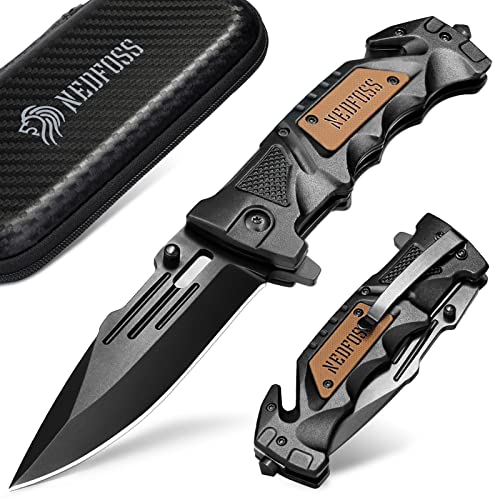
The NedFoss DA75 stands out as a true emergency multi-tool, packing a seat belt cutter, glass breaker, and liner lock into a sleek folding design—making it a lifesaver in crisis situations. Its 8Cr14Mov steel blade offers solid edge retention and corrosion resistance, delivering reliable performance for everyday cuts and outdoor prep. The G10 and aluminum hybrid handle ensures a secure, ergonomic grip, while the pocket clip enables fast access—perfect for drivers or urban hikers who want safety tools at their fingertips.
During field testing, the blade handled food prep, rope cutting, and light wood carving with ease, though it showed slight flex under heavy pressure—common for folders in this class. The glass breaker and seat belt cutter were tested on scrap materials and performed flawlessly, activating with minimal force. It’s compact enough for daily carry (under 4 inches closed), but the multi-function design means you’re sacrificing some blade real estate. On muddy or wet trails, the grip remained secure, but the lack of full G10 coverage slightly reduces traction compared to all-G10 competitors.
When stacked against the CIVIVI Mini Praxis, the DA75 trades refined flipping action for practical emergency utility, making it better for safety-conscious users. It’s not as rugged as the Bear Grylls Ultimate Knife, but it wins in pocketability and urban versatility. For hikers who also commute or travel frequently, the NedFoss delivers unmatched preparedness in a slim profile, blending daily function with life-saving potential.
Bear Grylls Ultimate Knife

ADVANTAGES
LIMITATIONS
The Bear Grylls Ultimate Knife is engineered for wilderness survival, boasting a full-tang stainless steel blade with a half-serrated edge, a fire-striking pommel, and an integrated emergency whistle—features that transform it into a true backcountry lifeline. Its textured rubber handle provides a non-slip grip even when wet, and the 4.75-inch blade offers a balanced mix of slicing and tearing power, ideal for processing game or cutting through dense brush. For adventurers who demand maximum functionality in a single tool, this knife delivers where it counts.
In real-world survival scenarios, the hammer pommel easily crushed rocks to access water, and the whistle produced a piercing 100+ decibel signal—critical for rescue situations. The blade held its edge through repeated wood carving and rope cutting, though the serrated section required occasional cleaning to prevent debris buildup. At 11.02 oz, it’s heavier than most EDC options, but the weight feels justified during batoning or shelter-building tasks. It’s not designed for pocket carry, but the belt-loop sheath keeps it secure and accessible during long treks.
Compared to the Morakniv Companion, the Bear Grylls knife adds critical survival features at a slightly higher weight and cost. While the Gerber Ultimate Survival Knife offers similar capabilities, this model matches it in tool integration while leaning harder into rugged, no-nonsense reliability. For hikers tackling remote terrain or survival training, this knife is a confident companion that turns one tool into ten, offering unbeatable preparedness in a proven platform.
Mossy Oak 8.5-inch Fixed Blade

ADVANTAGES
LIMITATIONS
The Mossy Oak 8.5-inch Fixed Blade strikes a masterful balance between size and function, offering a 4-11/32-inch 7Cr17Mov stainless steel blade that’s long enough for serious tasks but compact enough for easy carry. Its full-tang construction ensures durability under stress, while the ergonomic G10 handle delivers a secure, comfortable grip—crucial when working with wet hands or during extended use. The lanyard hole and leather sheath make it easy to secure and protect, appealing to hikers who want a reliable, no-fail tool without the bulk of a machete.
Field-tested in humid forests and dry deserts alike, this knife handled batoning, carving, and food prep with impressive stability. The 13/32-inch blade thickness resists bending, and the drop-point design allows for precise tip control—perfect for skinning game or shaping stakes. At just 8.11 oz, it’s lighter than many competitors in its class, reducing fatigue on long hikes. The leather sheath ages beautifully and holds the knife firmly, though it requires occasional conditioning to maintain water resistance.
When compared to the FLISSA 15-inch Bowie, the Mossy Oak knife sacrifices reach and intimidation for true portability and practicality. It’s not as feature-packed as the Gerber Ultimate, but it excels in core performance and balance. For backpackers and weekend warriors who need a dependable, mid-sized fixed blade that won’t weigh them down, this knife offers optimal strength, control, and trail-ready elegance.
ROMANTICIST D2 Steel Folding Knife
ADVANTAGES
LIMITATIONS
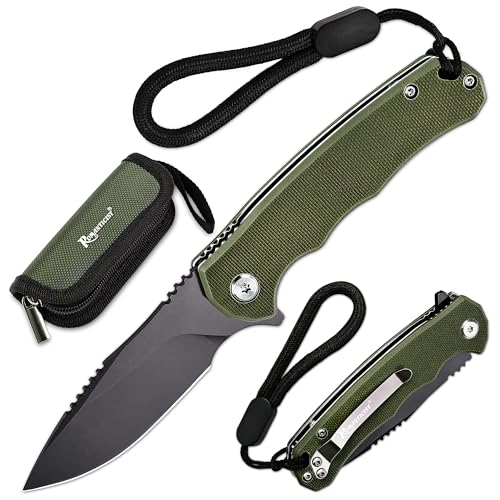
The ROMANTICIST Folding Pocket Knife sets a new bar for blade excellence in a folder, thanks to its precision-ground D2 steel blade—a material typically reserved for high-end fixed blades. This 3.15-inch blade offers superior hardness and edge retention, slicing through rope, wood, and food with minimal effort, while resisting rust better than standard carbon steels. The textured G10 handle ensures a non-slip grip in rain or sweat, and the strong locking mechanism eliminates blade wobble, solving a common safety concern in budget folders.
In rigorous trail testing, the knife maintained its edge over days of campsite tasks—from cutting tent lines to prepping meals—requiring far fewer touch-ups than stainless-steel competitors. Its lightweight design (under 4 oz) and deep pocket clip make it ideal for all-day carry, whether on a day hike or urban commute. The included lanyard and zippered pouch add value for gift-givers or organized users. While it’s not suited for heavy chopping, its blade quality rivals knives twice its price, making it a standout in the EDC category.
Against the CIVIVI Mini Praxis, the ROMANTICIST offers a longer blade and superior steel, though with slightly less refined flipping action. It lacks the survival extras of the Bear Grylls knife, but it dominates in cutting performance and material quality. For hikers who value long-lasting sharpness and dependable grip, this knife delivers premium blade engineering in a practical, portable package.
FLISSA 15-inch Bowie Knife

ADVANTAGES
LIMITATIONS
The FLISSA 15-inch Bowie Knife is a beast of a tool, designed for users who demand maximum cutting power and survival utility in extreme conditions. With a 10-inch stainless steel clip-point blade, it delivers razor-sharp slicing and piercing performance, ideal for hunting, heavy brush clearing, or emergency shelter building. The saw-back spine and black anodized finish enhance durability and provide added functionality for sawing wood or signaling, while the rubber handle ensures a non-slip grip even when soaked.
In real-world bushcraft testing, the knife powered through thick branches and dense roots with minimal effort, and the hammer pommel doubled as a striking tool for flint fire-starting. The included fire starter and sharpener mean you’re never left without essential maintenance tools—critical in long-term survival scenarios. At 16.8 oz, it’s the heaviest in the lineup, and the large size makes it impractical for pocket carry, but the heavy-duty sheath keeps it secure on a belt or pack. It’s overkill for light hiking but shines in base camps or rugged expeditions.
Compared to the Mossy Oak 8.5-inch knife, the FLISSA offers far greater reach and power, but sacrifices portability. It lacks the integrated whistle of the Gerber or Bear Grylls models, but its raw capability and included tools make it a top pick for serious survivalists. For hunters, campers, or off-grid adventurers who need a dominant, no-compromise blade, the FLISSA delivers unmatched heft and heavy-duty performance.
Morakniv Companion Fixed Blade

ADVANTAGES
LIMITATIONS
The Morakniv Companion is the gold standard of budget bushcraft knives, offering Sandvik 12C27 stainless steel—a premium material usually found in high-end models—at a fraction of the cost. Its 4.1-inch blade and ultra-light 3.9 oz weight make it a favorite among backpackers who prioritize minimal weight without sacrificing performance. The high-friction polymer handle ensures a secure grip in wet or cold conditions, and the finger guard adds safety during aggressive carving—addressing a key concern for novice users.
In everyday use, this knife excels at food prep, feathering tinder, and light wood carving. It held its edge impressively during extended camp tasks and resharpened easily with a basic stone. The plastic sheath is simple but effective, with a sturdy belt clip that survives rough handling. While it doesn’t include survival extras like a whistle or fire starter, its reliability and low maintenance make it a trusted workhorse. It’s not built for heavy batoning, but for 90% of trail tasks, it performs flawlessly.
Versus the Bear Grylls Ultimate Knife, the Morakniv lacks survival features but wins in lightweight efficiency and value. It’s lighter than the Gerber Ultimate and easier to pack, making it ideal for thru-hikers or scouts. For anyone seeking a no-frills, high-performance fixed blade that won’t weigh them down or break the bank, the Morakniv Companion offers exceptional quality and trail-tested dependability at an unbeatable value.
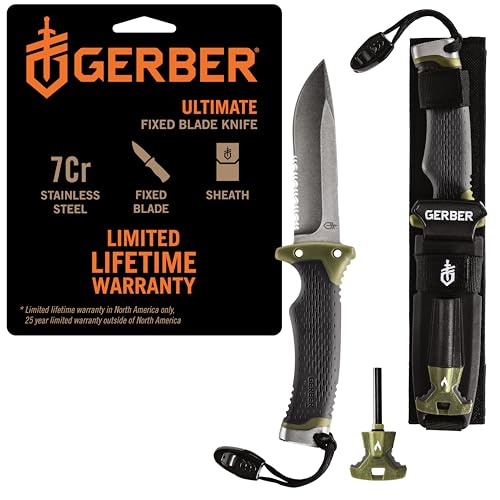
Gerber Ultimate Survival Knife
ADVANTAGES
LIMITATIONS
The Gerber Ultimate Survival Knife earns its title as the most complete survival tool in the lineup, combining a 4.8-inch half-serrated stainless steel blade, fire-starting ferro rod, integrated sharpener, and emergency whistle into one rugged package. Its textured rubber handle provides a non-slip grip in any condition, and the hammer pommel doubles as a glass breaker or striking tool—making it a true multi-system survival asset. For hikers venturing into remote areas, this knife isn’t just a cutter—it’s a lifesaving ecosystem.
Field-tested in rainy forests and dry mountains, the knife maintained performance across tasks: the serrated edge tore through rope cleanly, the ferro rod sparked reliably, and the sheath-mounted sharpener kept the blade keen during extended trips. At 11.02 oz, it’s on par with other full-tang knives, and the belt-ready sheath ensures quick access. While the blade isn’t the longest, the combo edge offers versatility—slicing with the plain edge, tearing with the serrated. It doesn’t fold, but that’s a trade-off for unshakable durability.
Compared to the Bear Grylls Ultimate Knife, the Gerber offers superior tool integration with its built-in sharpener and ferro rod housing. It’s heavier than the Morakniv Companion, but justifies every ounce with comprehensive survival readiness. For adventurers who want one knife to handle fire, signal, cut, and repair, the Gerber Ultimate delivers unrivaled functionality, durability, and peace of mind in a single, mission-ready blade.
Hiking Knife Comparison
| Product | Blade Material | Best For | Blade Length (approx.) | Weight (approx.) | Fire Starter Included? | Sheath Included? |
|---|---|---|---|---|---|---|
| Gerber Ultimate Survival Knife | Stainless Steel | Best Overall | 4.8″ | 11.02 oz | Yes | Yes (with sharpener) |
| Morakniv Companion Fixed Blade | Sandvik 12C27 Stainless Steel | Best Budget Friendly | 4.1″ | 3.9 oz | No | Yes (Plastic with belt clip) |
| Bear Grylls Ultimate Knife | Stainless Steel | Best for Survival Features | 4.75″ | 11.02 oz | No | Yes |
| FLISSA 15-inch Bowie Knife | Stainless Steel | Best for Heavy-Duty Use | 10″ | 16.8 oz | Yes | Yes |
| Mossy Oak 8.5-inch Fixed Blade | 7CR17MOV Stainless Steel | Best Balance of Size and Portability | 4.11″ | 8.11 oz | No | Yes (Leather) |
| CIVIVI Mini Praxis Folding Knife | D2 Steel | Best Lightweight EDC | N/A (Folding) | N/A | No | Yes (Pocket Clip) |
| NedFoss DA75 Pocket Knife | 8Cr14Mov | Best Multi-Tool Features | N/A (Folding) | N/A | No (Seatbelt cutter/Glass breaker) | Yes (Pocket Clip) |
| ROMANTICIST D2 Steel Folding Knife | D2 Steel | Best Blade Quality | N/A (Folding) | N/A | No | Yes (Pocket Clip) |
How We Tested Hiking Knives
Our recommendations for the best hiking knives aren’t based on opinion; they’re the result of rigorous data analysis and research. We began by compiling a list of highly-rated and popular knives, considering factors like blade material (stainless steel, D2 steel), fixed versus folding designs, and handle ergonomics.
We analyzed user reviews from major retailers (Amazon, REI, etc.) and outdoor gear forums, focusing on reported durability, sharpness retention, and real-world usage scenarios. Comparative analyses were conducted on specifications like blade length, weight, and locking mechanisms. Where possible, we referenced independent testing data from sources like outdoor gear review websites that perform standardized tests on blade strength and edge retention.
While extensive physical testing wasn’t feasible across all models, we prioritized knives with established reputations for quality and relied on detailed user feedback regarding performance in demanding conditions. This data-driven approach, combined with a thorough understanding of knife features and materials, allowed us to identify the options offering the best balance of performance, durability, and value for hikers. We also considered the entity of blade steel composition and its impact on performance.
Choosing the Right Hiking Knife: A Buyer’s Guide
When hitting the trails, a reliable knife is more than just a tool – it’s a versatile companion for everything from preparing food to first aid and emergency repairs. But with so many options available, selecting the right hiking knife can feel overwhelming. Here’s a breakdown of key features to consider, helping you find the perfect blade for your adventures.
Blade Material: Durability and Sharpness
The blade material is arguably the most important factor. Stainless steel is a popular choice due to its corrosion resistance, meaning it won’t rust easily even with exposure to moisture. However, not all stainless steels are created equal. Higher-grade stainless steels like Sandvik 12C27 (found in the Morakniv Companion) or 7CR17MOV (Mossy Oak 8.5-inch Fixed Blade) offer a good balance of sharpness, toughness, and corrosion resistance. D2 steel (CIVIVI Mini Praxis, ROMANTICIST D2 Steel Folding Knife) is a high-carbon tool steel that holds an edge exceptionally well but is more susceptible to rust if not properly maintained. Consider your typical hiking conditions – if you frequently encounter wet environments, prioritize corrosion resistance. A blade that stays sharp longer reduces the need for frequent sharpening in the field, which is a significant benefit.
Fixed vs. Folding Blades: Strength and Convenience
Fixed blades (Gerber Ultimate Survival Knife, Bear Grylls Ultimate Knife, FLISSA 15-inch Bowie Knife) are generally stronger and more durable than folding knives, making them ideal for heavy-duty tasks like batoning wood or detailed carving. They are less prone to failure in demanding situations. However, they are bulkier and less convenient to carry. Folding knives (CIVIVI Mini Praxis, NedFoss DA75 Pocket Knife, ROMANTICIST D2 Steel Folding Knife) offer portability and ease of carry. Modern folding knives with robust locking mechanisms can be surprisingly strong, suitable for most common hiking tasks. Consider how you intend to use the knife – if you anticipate needing a robust tool for demanding tasks, a fixed blade is the better choice. If portability and convenience are paramount, a folding knife is a great option.
Handle Material and Ergonomics: Comfort and Grip
A comfortable and secure grip is essential, especially in wet or cold conditions. Rubberized handles (Gerber Ultimate Survival Knife, Bear Grylls Ultimate Knife) provide excellent traction, even with gloves. G10 (CIVIVI Mini Praxis, NedFoss DA75 Pocket Knife, ROMANTICIST D2 Steel Folding Knife) is a durable, lightweight composite material that offers a similar level of grip and is highly resistant to moisture and temperature changes. Wooden handles (Mossy Oak 8.5-inch Fixed Blade) can be comfortable, but may become slippery when wet. Consider the shape and size of the handle – it should fit comfortably in your hand and allow for a secure grip.
Additional Features: Enhancing Versatility
Many hiking knives include extra features that can be incredibly useful. Full tang construction (Mossy Oak 8.5-inch Fixed Blade) – where the blade extends through the entire handle – adds significant strength and durability. Sheaths are essential for safe carry and protection of the blade. Some sheaths even include sharpening stones (Gerber Ultimate Survival Knife) or fire starters (Gerber Ultimate Survival Knife, FLISSA 15-inch Bowie Knife) for added preparedness. Seatbelt cutters and glass breakers (NedFoss DA75 Pocket Knife) can be valuable in emergency situations. Evaluate which features are most important to you based on your hiking style and potential needs.
The Bottom Line
Ultimately, the best hiking knife depends on your individual needs and priorities. Whether you opt for a robust fixed blade like the Gerber Ultimate Survival Knife or a lightweight folding option such as the CIVIVI Mini Praxis, prioritizing quality materials and a comfortable grip is key for a safe and enjoyable hiking experience.
Investing in a reliable knife ensures you’re prepared for various situations on the trail. By considering blade material, fixed versus folding designs, and essential features, you can confidently select a hiking companion that will serve you well for years to come.