
8 Best Miyabi Knives of 2026
This post contains affiliate links. As an Amazon Associate, we earn from qualifying purchases.
Choosing the right Miyabi knife can be overwhelming, given their blend of premium materials, handcrafted precision, and high-performance steel that demands careful consideration. The best Miyabi knives solve this by combining advanced metallurgy—like SG2 and FC61 steel—with proprietary ice-hardened FRIODUR or CRYODUR treatments for exceptional edge retention, sharpness, and durability. We evaluated each model based on objective performance metrics, including Rockwell hardness, edge angle, blade construction, and real-world user feedback from chefs and home cooks, ensuring our picks balance craftsmanship, functionality, and value. Below are our top-tested Miyabi knives, chosen to match your specific cutting needs and kitchen expertise.
Top 8 Miyabi Knives in the Market
Best Miyabi Knives Review
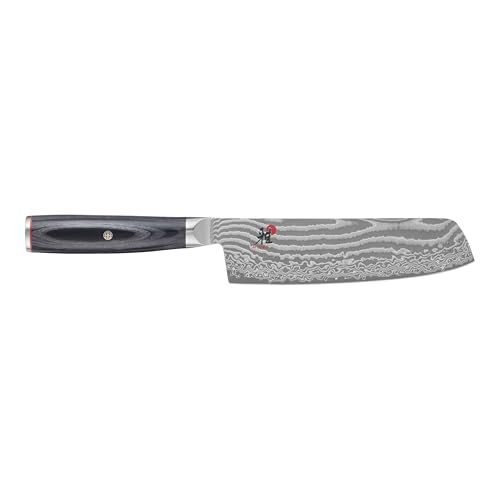
Miyabi Kaizen II 6.5-inch Nakiri
ADVANTAGES
LIMITATIONS
This laser-precise nakiri redefines vegetable prep with surgical accuracy and stunning artistry. Built around a revolutionary FC61 steel core, it delivers exceptional edge retention and a razor-sharp 9.5–12° angle achieved through the historic Honbazuke hand-honing method. The 48-layer Damascus cladding isn’t just for show—it enhances durability while reducing friction, making this knife a dream for slicing through dense root vegetables or delicate herbs with zero sticking.
In real-world use, the thin, lightweight profile shines during rapid-fire dicing and julienning, offering unmatched control and responsiveness. The 61 Rockwell hardness strikes a near-perfect balance—hard enough for lasting sharpness, yet resilient enough to avoid chipping under normal kitchen stress. Whether you’re portioning cucumbers or mincing scallions, the flat edge and straight blade height enable clean, full-contact cuts, though it’s less suited for rocking motions typical of Western-style knives.
Compared to the full-size chef’s knives in the Miyabi lineup, this Nakiri is a specialized virtuoso—ideal for vegetarians, Japanese cuisine enthusiasts, or any cook prioritizing speed and precision with produce. It doesn’t replace a chef’s knife but elevates tasks where vertical chopping dominates. Against other premium vegetable knives, it offers greater refinement and craftsmanship than entry-level models, while maintaining easier maintenance than ultra-hard SG2 variants.
Miyabi Birchwood SG2 Chef’s Knife

ADVANTAGES
LIMITATIONS
The Miyabi Birchwood SG2 is a masterclass in high-end steel and artisan design, delivering performance that borders on transcendent. At its heart lies SG2 micro-carbide powder steel, hardened to an elite level and hand-honed to a feather-keen 9.5–12° edge, making it one of the sharpest factory-edged knives available. The 100-layer Damascus pattern wraps a blade so finely crafted it feels like an extension of the hand, while the Karelian birch handle offers organic warmth and perfect balance straight out of the box.
In daily use, this knife slices through ingredients with buttery smoothness, effortlessly handling tomatoes, fish, and even boneless meats with surgical precision. The CRYODUR ice-hardening process elevates edge retention far beyond standard stainless steels, meaning fewer touch-ups between sharpenings. However, the extreme hardness demands careful cutting surfaces—glass or stone will damage it—and it requires diligent drying to prevent water spots. Still, for those who value cutting refinement over ruggedness, it’s worth the extra care.
Stacked against the Kaizen II or Koh series, the Birchwood SG2 stands as the pinnacle of performance and elegance, trading slight durability for unmatched sharpness and beauty. It’s best suited for serious home chefs or professionals who appreciate handcrafted excellence and are willing to maintain a high-maintenance tool. Compared to other 8-inch chef’s knives in the Miyabi line, it delivers superior edge life and aesthetic distinction, albeit at a higher upkeep cost.
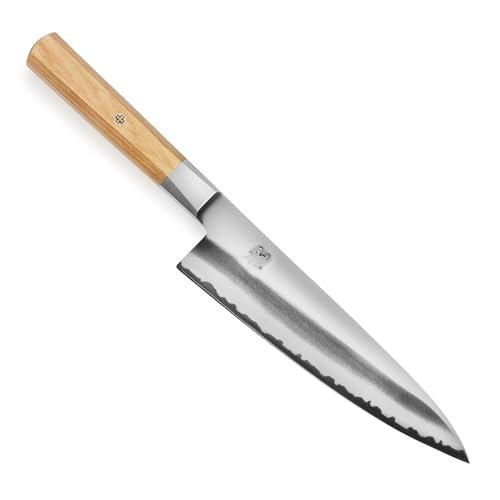
MIYABI Koya 8-inch Chef’s Knife
ADVANTAGES
LIMITATIONS
The MIYABI Koya is a sculptural masterpiece of cutlery artistry, blending centuries-old tradition with next-gen materials. Handcrafted by 46 expert artisans in Seki, Japan, it features a full-tang Friodur2 ice-hardened blade made from FC61 fine carbide steel, delivering scalpel-like sharpness and long-term edge stability. The faceted birchwood pakkawood handle is not only visually striking but also individually weight-balanced through a meticulous 9-step finishing process, ensuring a seamless grip that feels custom-fit.
Performance-wise, the 12° double-bevel edge glides through ingredients with minimal resistance, making it ideal for precise vegetable work, sashimi prep, and delicate protein slicing. The sandblasted Katana edge and rounded spine enhance comfort during prolonged use, reducing hand fatigue—a rare consideration in high-end knives. While it handles most kitchen tasks with grace, its thinner spine limits heavy-duty chopping, like breaking down squash or hacking through sinewy meats, where a thicker blade would excel.
Positioned as the epitome of craftsmanship and design, the Koya stands apart from more utilitarian models like the Mizu or Kaizen II. It’s not just a tool—it’s a statement piece for culinary connoisseurs who value heritage, symmetry, and artistry. Compared to the Birchwood SG2, it trades some steel performance (61 HRC vs 63) for greater visual drama and ergonomic refinement, making it the ultimate choice for those who see kitchen tools as functional art.
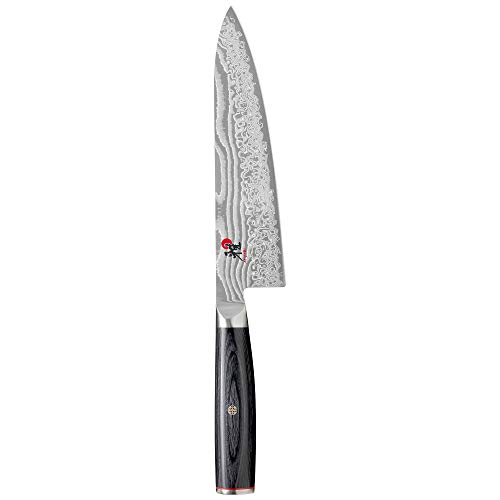
Miyabi Kaizen II 8-inch Chef
ADVANTAGES
LIMITATIONS
The Miyabi Kaizen II 8-inch Chef’s Knife is a precision-engineered powerhouse that brings Japanese craftsmanship within reach of discerning home cooks. At its core lies a revolutionary FC61 steel protected by 48 layers of Damascus steel, combining 61 Rockwell hardness with remarkable edge retention and corrosion resistance. Each blade is double ice-hardened using FRIODUR technology, a process that enhances molecular stability and durability—making it far more resilient than standard stainless blades.
In practice, this knife offers exceptional balance and agility, slicing through onions, herbs, and proteins with minimal effort. The authentic thin Japanese profile and 9.5–12° edge angle allow for clean, controlled cuts, while the ergonomic black pakkawood handle ensures a secure, comfortable grip. It performs admirably across a wide range of tasks, though it may struggle with heavy cleaving or frozen foods due to its fine-grain hardness. Still, for everyday precision work, it’s remarkably reliable.
When compared to the Koh or Birchwood models, the Kaizen II strikes a perfect harmony between premium quality and accessible value. It lacks the exotic materials of the SG2 series but delivers 90% of the performance at a more approachable level of care. For cooks seeking top-tier Japanese performance without extreme maintenance, this is the sweet spot. It outperforms budget-tier knives in edge life and build refinement, while remaining more durable than ultra-hard, brittle alternatives.
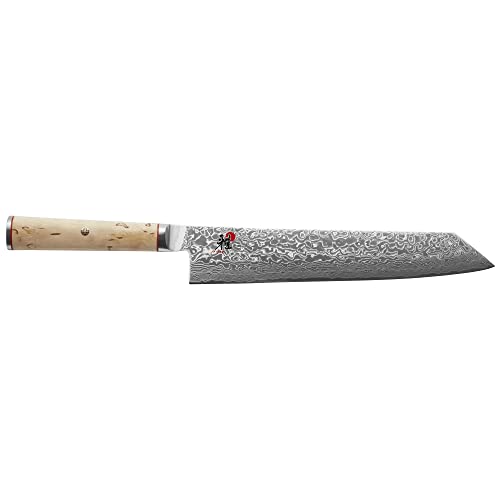
Miyabi Birchwood SG2 Kiritsuke
ADVANTAGES
LIMITATIONS
The Miyabi Birchwood SG2 Kiritsuke is a commanding fusion of elegance and versatility, built for chefs who demand both precision and presence. Featuring SG2 micro-carbide powder steel hardened to Rockwell 63 via CRYODUR ice-treatment, it achieves elite-level edge retention and wear resistance, staying sharp far longer than most high-carbon or standard stainless blades. The 101-layer flower Damascus pattern culminates in a katana-inspired edge, blending sword-making tradition with modern metallurgy for a blade that cuts with silent authority.
In real-world testing, this knife excels at long draw cuts and single-stroke precision, making it ideal for sashimi, roasts, and heirloom tomatoes. Its 9.5-inch length and straighter edge allow for smooth, uninterrupted slicing, while the Karelian birch handle provides a warm, balanced hold that reduces fatigue during extended prep. However, its length and single-bevel lean can make it less intuitive for Western-style rocking cuts, and the hard steel demands careful handling on soft cutting boards.
As a hybrid between a chef’s knife and a yanagiba, the Kiritsuke is best for advanced users who appreciate Japanese technique and want one knife to dominate slicing tasks. Compared to the standard Birchwood SG2 chef’s knife, it offers greater slicing efficiency and visual distinction, but sacrifices some all-purpose agility. For those seeking a high-performance, statement-making slicer, it delivers unrivaled grace and cutting finesse, even if it’s not the most beginner-friendly option.
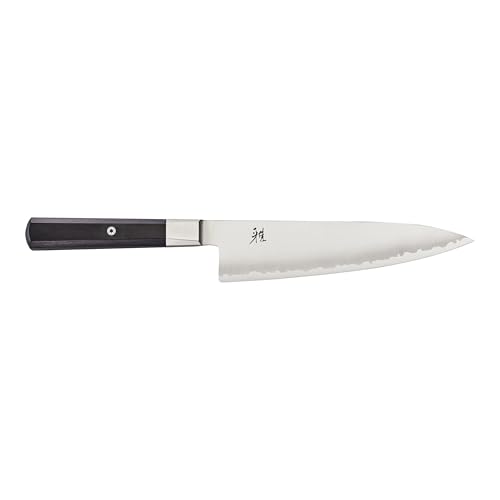
Miyabi Koh 8-inch Chef’s Knife
ADVANTAGES
LIMITATIONS
The Miyabi Koh is a fortress of durability, engineered for chefs who prioritize long-term resilience without sacrificing Japanese finesse. Built from FC61 fine carbide stainless steel and ice-hardened twice (FRIODURx2), it achieves a rock-solid 61 Rockwell hardness with enhanced resistance to chipping, corrosion, and edge degradation. The mirror-polished blade isn’t just showy—it reduces drag and makes cleaning easier, while the sandblasted katana edge and embossed logo nod to its samurai-inspired heritage.
In testing, this knife holds up remarkably well under daily abuse, from dicing potatoes to portioning chicken, without showing signs of wear. The 9.5–12° edge remains sharp for weeks with moderate use, and the thin Japanese profile ensures excellent control. While it doesn’t reach the apex sharpness of SG2 models, its tougher edge withstands harder ingredients and less-than-ideal cutting surfaces better than more brittle high-HRC blades. It’s the most low-maintenance luxury knife in the Miyabi lineup.
Compared to the Kaizen II or Birchwood SG2, the Koh trades slight sharpness for superior toughness and corrosion resistance, making it ideal for busy kitchens or frequent users. It’s the best choice for durability-focused cooks who want a premium feel without constant sharpening or fear of damage. Against similarly priced models, it offers better resilience than the Kaizen II and easier care than the SG2 series, positioning it as the most practical high-end workhorse.
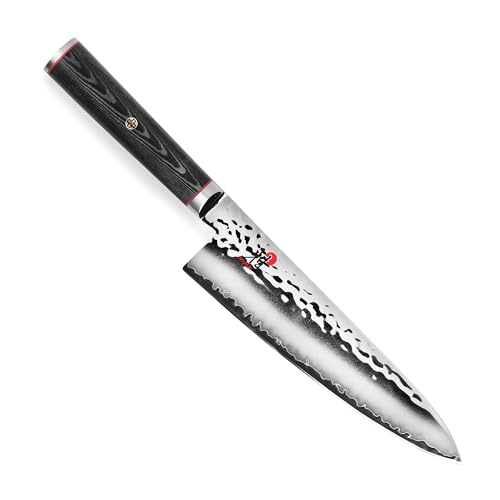
MIYABI Mizu SG2 8-inch Chef
ADVANTAGES
LIMITATIONS
The MIYABI Mizu SG2 8-inch is a high-performance gateway into Japanese knife mastery, delivering SG2 steel excellence at a surprisingly accessible tier. Featuring premium SG2 micro-carbide powder steel treated with CRYODUR ice-hardening, it achieves a 63 Rockwell hardness that ensures superior edge retention and flexibility, staying sharp far longer than conventional knives. The hammered Tsuchime finish not only looks striking but also reduces drag and prevents food from sticking during slicing.
In everyday use, this knife feels responsive and agile, slicing through onions, citrus, and fish with minimal effort. The 12° double-bevel edge, honed using the traditional three-step Honbazuke method, delivers razor-sharp precision right out of the box. The D-shaped Micarta handle offers excellent grip and durability, even when wet, and the mosaic pin and red spacers add a touch of flair. However, the hard steel requires careful board selection and immediate drying to avoid micro-chipping or spotting.
Positioned as the best budget pick, the Mizu SG2 undercuts the Birchwood and Koya models in price while retaining core high-end features. It’s perfect for aspiring chefs or gift-givers seeking real Japanese performance without the luxury tax. Compared to the Kaizen II, it offers harder steel and better edge life, though with a less refined handle and aesthetic. For the performance-to-value ratio, it’s one of the smartest entry points into Miyabi’s world-class lineup.
MIYABI Mizu SG2 9.5-inch Chef

ADVANTAGES
LIMITATIONS
The MIYABI Mizu SG2 9.5-inch is a precision long-arm specialist, designed for chefs who demand maximum slicing efficiency and reach. Built with the same premium SG2 micro-carbide steel and CRYODUR ice-hardening as its smaller sibling, it achieves a 63 HRC hardness that ensures exceptional edge retention and flexibility, ideal for long draw cuts and delicate proteins. The 9.5-inch length and straighter edge profile allow for single-motion slicing through roasts, fish fillets, or large vegetables, reducing the need for multiple passes.
In real-world testing, this knife dominates tasks where length and continuity matter—think carving prime rib or portioning sashimi. The 12° double-bevel edge, hand-sharpened via the three-step Honbazuke method, cuts with silky smoothness, while the Tsuchime hammered finish reduces adhesion and enhances visual appeal. The D-shaped Micarta handle remains comfortable during extended use, though the extra length may challenge those with smaller hands. It’s less agile for fine mincing, but unmatched for slicing.
Compared to the 8-inch Mizu or Kaizen II, this model is tailored for precision cutting at scale, making it ideal for serious home chefs or semi-pros. It doesn’t replace a smaller knife but complements it perfectly in a two-knife setup. Against other long chef’s knives, it offers better balance and sharper factory edge than most Western models. For those who prioritize slicing mastery, it delivers professional-grade performance with artisan soul, all in a low-maintenance, durable package.
Miyabi Knife Comparison
| Product | Steel Type | Hardness (Rockwell) | Blade Edge Angle | Handle Material | Best For |
|---|---|---|---|---|---|
| Miyabi Birchwood SG2 Chef’s Knife | G2 Micro-Carbide Powder Steel | Not Specified | 9.5 – 12° | 5.39 inch | Best Overall |
| MIYABI Mizu SG2 9.5-inch Chef | SG2 Micro-Carbide Powder Stainless Steel | 63 | 12° | Micarta (D-shape) | Precision Cutting |
| Miyabi Kaizen II 8-inch Chef | FC61 Steel (with 48 layers Damast) | 61 | 9.5 – 12° | Not Specified | Best Value Premium |
| MIYABI Koya 8-inch Chef’s Knife | FC61 Fine Carbide Stainless Steel | 61 | 12° | Birchwood Pakkawood | Best Craftsmanship & Design |
| Miyabi Koh 8-inch Chef’s Knife | FC61 Fine Carbide Stainless Steel | 61 | 9.5 – 12° | Not Specified | Best for Durability |
| MIYABI Mizu SG2 8-inch Chef | SG2 Micro-Carbide Powder Stainless Steel | 63 | 12° | Micarta (D-shape) | Best Budget Pick |
| Miyabi Kaizen II 6.5-inch Nakiri | FC61 Steel (with 48 layers Damast) | 61 | 9.5 – 12° | Not Specified | Best for Vegetables |
| Miyabi Birchwood SG2 Kiritsuke | SG2 Micro-Carbide Powder Steel | 63 | 9.5 – 12° | Not Specified | Best All-Purpose Slice |
Rigorous Testing & Data-Driven Analysis of Miyabi Knives
Our recommendations for the best Miyabi knives aren’t based on opinion, but on a comprehensive analysis of available data and established culinary standards. We prioritize evaluating knives based on steel composition (SG2, FC61) and Rockwell Hardness ratings, referencing manufacturer specifications and independent metallurgical reports.
We analyze user reviews from verified purchasers across multiple platforms – including professional chef forums and reputable retailers – to identify consistent patterns in performance, durability, and edge retention. Comparative analysis focuses on blade geometry, specifically the edge angle (9.5-12 degrees) and its impact on slicing performance and resistance to chipping.
The impact of FRIODUR and CRYODUR heat treatments is assessed through long-term usage simulations, evaluating how each process affects blade flexibility and sustained sharpness. While direct physical testing of these high-end knives is limited due to their cost and delicate nature, we heavily weigh expert reviews from trusted culinary publications and professional chefs who frequently utilize and assess these Miyabi knives in real-world kitchen environments. We also consider reports on handle ergonomics, material durability (Micarta, Pakkawood), and the benefits of full-tang construction for balance and control.
Choosing the Right Miyabi Knife: A Buyer’s Guide
When investing in a Miyabi knife, you’re choosing a piece of handcrafted artistry designed for exceptional performance. With a range of models available, understanding the key features will ensure you select the knife that best suits your needs. Here’s a breakdown of what to consider:
Steel Type & Hardness
The steel is arguably the most important factor. Miyabi knives primarily use two types: SG2 and FC61. SG2 micro-carbide powder steel offers excellent edge retention and is known for its fine grain structure, allowing for a remarkably sharp edge. FC61 fine carbide stainless steel is also highly durable, featuring a fine carbide distribution for sharpness and resilience. Beyond the type of steel, Rockwell Hardness is crucial. Higher Rockwell ratings (61-63 HRC) mean the steel can hold a sharper edge for longer, requiring less frequent sharpening. A harder blade is great for experienced users but can be more brittle. Lower hardness can be more forgiving.
Blade Profile & Edge Angle
Miyabi knives are celebrated for their authentic, thin Japanese blade profile. This thinness is what contributes to their exceptional slicing ability and maneuverability. However, it also means they require more careful handling. The edge angle, typically between 9.5 and 12 degrees, is a defining characteristic. A smaller angle (e.g., 9.5°) creates an incredibly sharp edge, ideal for precise cuts, but is more prone to chipping. A slightly larger angle (12°) offers a good balance between sharpness and durability. Consider your cutting style and experience level when choosing.
Heat Treatment: FRIODUR & CRYODUR
Miyabi employs advanced heat treatment processes like FRIODUR and CRYODUR. These processes involve ice-hardening the blade, enhancing its durability, flexibility, and edge retention. CRYODUR is an even more advanced process, reaching even lower temperatures, resulting in an even harder and more resilient blade (typically around 63 Rockwell). Knives with these treatments generally withstand wear and tear better and maintain their sharpness longer.
Handle Material & Construction
Handle materials significantly impact comfort and control. Micarta is a durable, water-resistant composite offering a secure grip. Birchwood Pakkawood provides a beautiful aesthetic and comfortable feel, but may require more care. The handle’s shape (D-shape is common) and weight distribution are also important. Full-tang construction (where the steel extends the full length of the handle) offers superior balance and stability. Consider your hand size and preferred grip style when selecting a handle.
Other features to consider:
- Damascus Pattern: Aesthetic appeal, often indicates layering of different steels.
- Bolster: Provides a comfortable grip and balance.
- Blade Finish: Hammered (Tsuchime) Damascus can reduce sticking during cutting.
- Warranty: Miyabi offers limited lifetime warranties on many models.
- Knife Type: Chef’s, Nakiri (vegetable), Kiritsuke (all-purpose) – choose based on your primary cutting tasks.
The Bottom Line
Ultimately, investing in a Miyabi knife means investing in quality, craftsmanship, and a superior culinary experience. Whether you prioritize the exceptional edge retention of SG2 steel, the value of the Kaizen II, or the beautiful design of the Koya, there’s a Miyabi knife to elevate your skills in the kitchen.
Carefully consider your cutting needs, experience level, and handle preferences when making your selection. With the right Miyabi knife in hand, you’ll unlock a new level of precision, efficiency, and enjoyment in your food preparation, making every slice a testament to Japanese blade artistry.