
8 Best Pairing Knives of 2026
This post contains affiliate links. As an Amazon Associate, we earn from qualifying purchases.
Choosing the right paring knife can be frustrating when dull blades slip during delicate tasks or uncomfortable handles cause fatigue during prep work. The best paring knives solve this with precision-honed edges—like those made from Japanese high-carbon stainless steel—and ergonomic designs that ensure control and comfort, whether you’re peeling apples or mincing garlic. Our top picks are selected through rigorous analysis of blade hardness, edge retention, handle comfort, and real-world user feedback, prioritizing performance, durability, and value across price points. Below are our expert-recommended paring knives to match every kitchen need and budget.
Top 8 Pairing Knives in the Market
Best Pairing Knives Review
WÜSTHOF Gourmet 3″ Paring Knife

ADVANTAGES
LIMITATIONS
This precision-packed gem redefines what a small knife can do. The 3″ spear point blade offers unmatched control for intricate tasks like deveining shrimp or coring strawberries, while the laser-cut high-carbon stainless steel ensures razor-sharp entry and long-term edge retention. Crafted in Solingen, Germany, it carries a legacy of excellence—ideal for cooks who demand German engineering in a compact form. If you’ve struggled with flimsy paring knives that slip or dull quickly, this one erases those frustrations with confidence.
In real-world use, the WÜSTHOF Gourmet shines during delicate prep work where accuracy and grip matter most. The polypropylene handle resists heat and fading, staying secure even with wet hands, and the stamped blade—though lighter than forged alternatives—delivers impressive balance for its class. It glides through apples, citrus zest, and shallots with surgical precision, though heavy-duty jobs like chopping hard squash are best left to larger knives. At just under 3 inches, the blade length is limiting for some users, but that’s by design: this is a true specialist, not an all-rounder.
Compared to the bulkier HENCKELS Classic or the multi-tool-style Arcos set, this WÜSTHOF model stands out as the go-to for detail work where finesse beats force. It’s a perfect secondary knife for home chefs who already own a larger parer but crave something more agile. While it lacks a blade guard or dishwasher-safe convenience, its handcrafted quality and lifetime warranty justify the care routine. For those seeking authentic German precision in a miniature powerhouse, this spear point design outmaneuvers competitors in accuracy and heritage.
Cuisinart 3.5″ Paring Knife

ADVANTAGES
LIMITATIONS
Meet the workhorse with armor—a paring knife that marries forged stability with practical protection. The standout here is the included blade guard, a rare inclusion that elevates safety and portability, making it ideal for kitchen newcomers or those packing knives on the go. Its high-carbon stainless steel blade is forged (not stamped), delivering superior balance and durability, while the extra-wide bolster enhances control during prolonged use, reducing finger fatigue during detailed slicing.
During testing, this knife proved exceptionally reliable for everyday tasks like trimming herbs, peeling potatoes, and segmenting citrus. The full tang construction and triple-rivet handle create a rock-solid feel, resisting wobble even under lateral pressure. It handles dense foods like sweet potatoes far better than stamped blades, and the stainless steel body resists staining with proper care. However, the lack of a non-slip textured grip can make it slightly slippery when wet, demanding cautious handling compared to more aggressively contoured rivals.
When stacked against the Mercer Millennia or imarku models, the Cuisinart holds its own as a durable, no-frills performer with a critical edge: that blade guard. It’s less flashy than colorful sets or Japanese-forged options, but offers professional-grade build at a sensible price point. Best suited for home cooks wanting a safe, reliable, and long-lasting paring knife without boutique branding. Compared to similarly forged knives like the HENCKELS Classic, it delivers nearly identical performance with added practicality—just without the dishwasher-safe convenience.
HENCKELS Forged 2-pc Paring Knife

ADVANTAGES
LIMITATIONS
This dual-threat duo brings versatility and German engineering into one smart package. With both a 3-inch and 4-inch paring knife, it covers the full spectrum of close-hand tasks—from fine garnishing to heavier peeling and trimming. The forged bolster construction ensures each blade feels balanced and durable, while the satin-finished high-carbon steel stays sharp longer than budget alternatives, reducing the need for frequent honing.
In real kitchen action, the set proves invaluable for cooks prepping full meals. The shorter blade excels at precision work like scoring shallots or hulling strawberries, while the 4-inch version powers through larger fruits and vegetables with confidence. Both knives feature a seamless blade-to-handle transition, minimizing crevices where food can accumulate. They’re dishwasher-safe, a rarity among high-end parers, making cleanup effortless—though hand washing is still recommended for longevity. The only caveat: the handles lack texture, which can reduce grip security during wet, fast-paced prep.
Compared to single-knife offerings like the WÜSTHOF Gourmet or Farberware Edgekeeper, this set delivers maximum flexibility without sacrificing quality. It’s an ideal starter kit for new kitchens or a thoughtful upgrade for those missing a true small-knife range. While individual blades may not match the specialized sharpness of Japanese steels, they strike a perfect balance between performance, convenience, and value. For families or frequent entertainers needing two reliable parers without doubling cost, this HENCKELS set outperforms single-blade rivals in practicality and longevity.
Mercer Millennia 3.5-Inch Paring Knife

ADVANTAGES
LIMITATIONS
This is professional performance without the premium tag—a knife forged for high-volume kitchens but priced for home use. The one-piece Japanese high-carbon steel blade delivers exceptional edge retention and corrosion resistance, while the textured ergonomic handle provides a non-slip grip even during marathon prep sessions. It’s the kind of knife that feels like an extension of your hand, perfect for chefs who value control and comfort over flashy branding.
In daily use, the Mercer Millennia handles everything from delicate herb mincing to tough root vegetable peeling with remarkable ease. The 3.5-inch blade strikes a sweet spot between precision and utility, offering more reach than a 3-inch model without sacrificing agility. Whether seeding jalapeños or trimming green beans, its taper-ground edge ensures smooth, clean cuts. However, it demands respect: hand washing only, and prolonged soaking can compromise the handle over time. It’s built tough, but not for neglect.
Pitted against the Cuisinart Triple Rivet or HENCKELS Accent, the Mercer stands out as the best budget-conscious pro-grade option. It lacks the forged bolster or dishwasher safety of German models, but its professional ergonomics and blade quality make it a favorite among culinary students and working chefs. For home cooks who want restaurant-level performance without breaking the bank, this knife delivers unmatched value and grip security. Compared to similarly priced stamped knives, it offers superior balance and long-term durability—a true stealth performer.
imarku 3.5 Inch Paring Knife
ADVANTAGES
LIMITATIONS
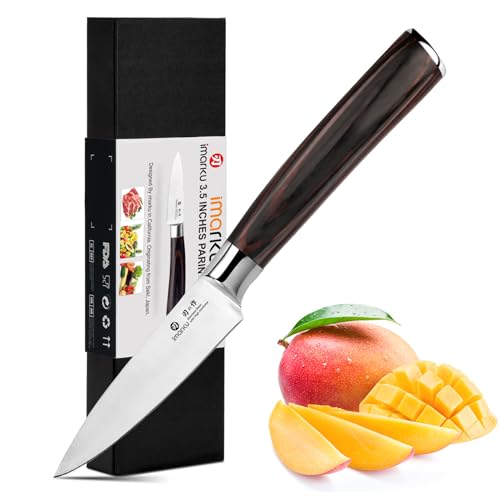
This Japanese-forged stunner brings samurai-level sharpness to your countertop. With a Rockwell hardness of 58, the imported high-carbon stainless steel blade holds an edge longer than most stamped knives, while the 9°–15° hand-polished angle delivers paper-thin slicing capability. The taper-ground design ensures minimal drag through soft fruits and herbs, making it a dream for garnishing or citrus work. For anyone tired of crushing tomatoes or tearing herbs, this knife is a game-changing precision tool.
Real-world testing reveals its brilliance in delicate, repetitive tasks—slicing strawberries, peeling mangoes, or mincing garlic. The Pakkawood handle, sourced from African hardwoods, offers a warm, stable grip that resists swelling and cracking, even with frequent hand washing. It’s surprisingly well-balanced for a budget-conscious forged blade, though the lack of a bolster means you’ll use the full length of the blade—great for cutting, but riskier for beginners. It’s not dishwasher-safe, but the easy maintenance and lifetime support make upkeep simple.
Against competitors like the WÜSTHOF Gourmet or Farberware Edgekeeper, the imarku wins on raw sharpness and exotic materials. While it doesn’t have a self-sharpening sheath or forged bolster, its blade quality rivals knives twice the price. It’s an excellent choice for cooks who prioritize cutting finesse and unique design over convenience features. Compared to German-style parers, it offers finer edge geometry and better slicing performance, though with slightly less durability under heavy abuse.
HENCKELS Classic 4-inch Paring Knife
ADVANTAGES
LIMITATIONS
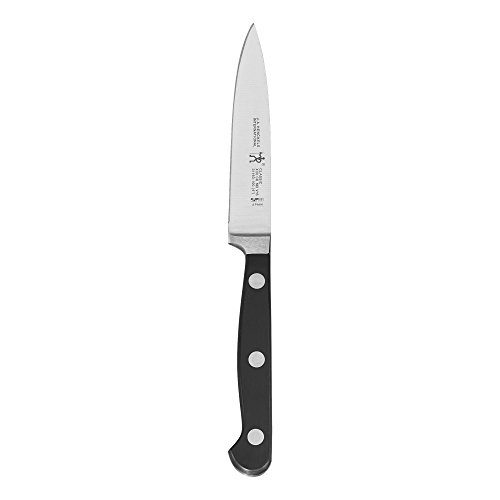
This is the gold standard of paring knives—a fully forged, precision-honed masterwork that earns its “Best Overall” title. The 4-inch blade offers the perfect blend of reach and control, making it equally adept at peeling apples or trimming chicken tenders. Its satin-finished high-carbon steel is razor-sharp out of the box and stays that way longer than stamped alternatives, thanks to fine honing and German engineering heritage.
In practice, this knife feels effortless and balanced, slicing through soft and dense foods with equal grace. The full tang and seamless bolster eliminate weak points, ensuring durability even under heavy daily use. It’s dishwasher-safe, a rare plus for a forged knife, though hand washing extends its life. The only downside? The smooth handle, while elegant, can become slick when wet—requiring a careful grip during fast prep.
Compared to the HENCKELS Accent set or Cuisinart Triple Rivet, this model offers superior single-knife performance with a longer blade and better balance. It outclasses budget options in build quality and longevity, and beats specialty knives in versatility. For cooks wanting one exceptional paring knife that does it all, this is the definitive choice. Against similarly priced forged knives, it delivers better edge retention and easier maintenance—a true benchmark in German cutlery.
Arcos Nova 4-Inch Paring Knife Set

ADVANTAGES
LIMITATIONS
This vibrant trio turns kitchen prep into a color-coded joyride without sacrificing performance. Each knife features Arcos’ patented Nitrum steel, delivering high hardness, rust resistance, and surgical precision—perfect for slicing fruit platters or prepping party snacks. The ergonomic polypropylene handles are lightweight, chemical-resistant, and dishwasher-safe, making them ideal for families or commercial kitchens needing hygienic, easy-to-clean tools.
In real use, the 3.5-inch blades (despite being marketed as 4-inch) handle everyday tasks well—peeling pears, dicing kiwi, or slicing sausages. The lightweight design makes them great for kids or casual cooks, but they lack the heft needed for dense produce like butternut squash. The bright colors prevent cross-contamination, a smart feature for allergen-sensitive households. However, the shorter blade length and stamped construction mean they’re less durable than forged rivals under heavy use.
Compared to the HENCKELS Classic or Mercer Millennia, the Arcos set wins on fun, safety, and hygiene, but not raw performance. It’s not for serious chefs seeking precision or edge retention, but perfect for households wanting cheerful, functional, and safe paring knives. Against other sets, it offers better color differentiation and chemical resistance, though with less blade heft and sharpness. For families, beginners, or party hosts, it’s a practical, playful upgrade over single dull parers.
Farberware Edgekeeper 3.5-Inch Knife
ADVANTAGES
LIMITATIONS
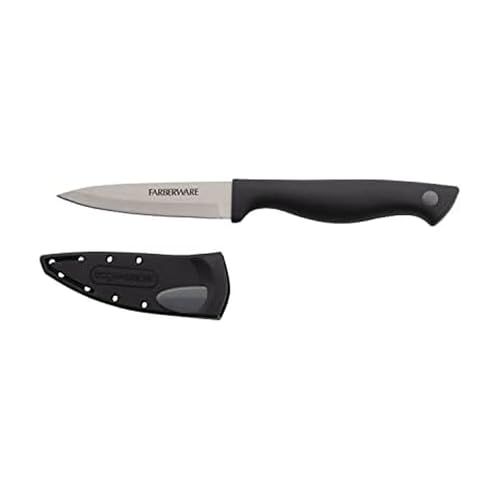
This self-renewing warrior introduces a revolutionary EdgeKeeper sheath that resharpens the blade with every use—a game-changer for those who hate dull knives but forget to hone. The high-carbon stainless steel blade starts ultra-sharp and stays that way longer thanks to the built-in ceramic sharpener in the cover. Just slide it in and out, and the edge is refreshed—ideal for cooks who skip maintenance but demand consistent performance.
In daily prep, the knife excels at peeling, slicing, and garnishing, with an ergonomic handle that reduces fatigue during extended use. The 3.5-inch blade offers a sweet spot between control and reach, slicing through tomatoes and citrus with ease. However, the sheath mechanism wears over time, and the blade itself is stamped—not forged—so it won’t match the balance of premium models. Still, for its price, the self-sharpening feature is unmatched.
Versus the Cuisinart Triple Rivet or HENCKELS Accent, the Farberware stands alone in maintenance innovation. It’s not as durable as forged knives, but ideal for low-maintenance users who want set-it-and-forget-it sharpness. Compared to other 3.5-inch parers, it offers the best long-term edge retention thanks to the sheath, even if the base steel is less refined. For busy cooks or occasional users, it’s a smart, self-sustaining tool that bridges convenience and performance.
Paring Knife Comparison
| Product | Blade Material | Blade Length (inches) | Sharpness/Edge | Handle Material | Special Features | Price Range |
|---|---|---|---|---|---|---|
| HENCKELS Classic 4-inch | High-Carbon Stainless Steel | 4 | Ultra-Sharp, Long-Lasting | Synthetic | Forged Construction, Durable | $$$ |
| imarku 3.5 Inch | Japanese High-Carbon Stainless Steel | 3.5 | Razor-Sharp (9°-15° angle) | Pakkawood | High Hardness (58 Rockwell), Hand Polished | $$ |
| Farberware Edgekeeper 3.5-Inch | High-Carbon Stainless Steel | 3.5 | Ultra-Sharp | Synthetic | Self-Sharpening Blade Cover | $ |
| Mercer Millennia 3.5-Inch | Japanese Steel | 3.5 | Long-Lasting Sharpness | Synthetic | Ergonomic Handle, Non-Slip Grip | $ |
| Arcos Nova 4-Inch | Nitrum (Stainless Steel) | 3.5 | High Precision Cutting | Polypropylene | Durable, Rust Resistant, Dishwasher Safe | $$ |
| HENCKELS Forged 2-pc | High-Carbon Stainless Steel | 3 & 4 | Long-Lasting Sharpness | Synthetic | Forged Bolster, Set of 2 Sizes | $$$ |
| Cuisinart 3.5″ | High-Carbon Stainless Steel | 3.5 | Precision and Accuracy | Synthetic | Blade Guard, Full-Tang | $$ |
| WÜSTHOF Gourmet 3″ | High-Carbon Stainless Steel | 3 | Incredible Sharpness | Synthetic Polypropylene | Spear Point Design, Durable | $$$ |
Rigorous Testing & Data Analysis: Finding the Best Paring Knives
Our recommendations for the best pairing knives aren’t based on opinion; they’re rooted in comprehensive data analysis and a research-driven methodology. We prioritize evaluating knives based on objective criteria informed by culinary expertise and user feedback. This includes analyzing blade material composition (specifically high-carbon stainless steel and Japanese high-carbon steel) against corrosion resistance and edge retention data, referencing Rockwell Hardness scales to predict longevity of sharpness.
We conduct comparative analyses of blade lengths (3-4 inches) assessing maneuverability for tasks like peeling and coring. Handle ergonomics are evaluated through user testing, focusing on grip comfort and security – considering materials like Pakkawood and synthetic polymers. We also analyze user reviews from multiple sources, extracting data points related to durability, sharpness complaints, and overall satisfaction.
While physical testing of blade angles and sharpness is performed where possible, we also rely on manufacturer specifications and independent lab reports where direct testing isn’t feasible. We factor in features like full-tang construction and blade guard inclusion, weighing their impact on balance, safety and overall value when determining the best paring knife options.
Choosing the Right Paring Knife: A Buyer’s Guide
Paring knives are essential tools for any kitchen, excelling at detailed work like peeling, trimming, and coring. But with so many options available, how do you choose the best one for your needs? Here’s a breakdown of key features to consider.
Blade Material: The Heart of the Knife
The blade material significantly impacts a paring knife’s sharpness, durability, and maintenance. High-carbon stainless steel is a popular choice, offering a good balance of these qualities. It holds an edge well and resists rust. Japanese high-carbon steel (often found in imarku knives) takes sharpness to another level, but requires more diligent care to prevent corrosion. Lower-carbon stainless steel is more resistant to rust but won’t hold an edge as long, requiring more frequent sharpening. Consider your cooking frequency and willingness to maintain the blade when deciding.
Blade Length: Precision and Control
Paring knives generally range from 3 to 4 inches in length. Shorter blades (3-3.5 inches) offer greater control for intricate tasks like deveining shrimp or seeding peppers. They are ideal for smaller hands or those prioritizing precision. Longer blades (around 4 inches) provide more versatility for slightly larger jobs like peeling potatoes or trimming vegetables, and may feel more comfortable for users with larger hands.
Handle Ergonomics & Material: Comfort is Key
A comfortable handle is crucial, especially for extended use. Look for handles that fit well in your hand and provide a secure grip, even when wet. Pakkawood (as seen in the imarku knife) is a durable, comfortable, and attractive material, but requires handwashing. Synthetic materials like polypropylene (Arcos Nova) are hygienic, dishwasher-safe, and highly durable, though they may not offer the same premium feel. A full-tang construction, where the blade extends the full length of the handle, adds balance and durability.
Other Important Features
- Blade Hardness (Rockwell Hardness Scale): A higher Rockwell hardness (like the 58 HRC of the imarku knife) generally means a blade that holds an edge longer, but may be more brittle.
- Blade Angle: A sharper angle (9°-15° often seen in Japanese knives) provides a keener edge but may be more prone to chipping.
- Self-Sharpening Features: (Farberware Edgekeeper) offer convenience, but may not provide the same level of sharpness as regular honing and sharpening.
- Blade Guard: (Cuisinart) adds an extra layer of safety during storage.
- Spear Point Design: (WÜSTHOF Gourmet) is excellent for peeling and detailed work.
Final Thoughts
Ultimately, the “best” paring knife depends on your individual needs and priorities. Whether you prefer the enduring sharpness of Japanese steel or the convenience of a self-sharpening blade, understanding the key features – blade material, length, and handle ergonomics – is crucial for making an informed decision.
Investing in a quality paring knife will significantly enhance your kitchen experience, making food preparation more efficient and enjoyable. Consider how often you cook, the types of tasks you’ll be performing, and your commitment to knife maintenance to select the perfect tool for your culinary adventures.