
7 Best Steels for Knives 2026
This post contains affiliate links. As an Amazon Associate, we earn from qualifying purchases.
Choosing the right steel is critical to a knife’s performance, yet many struggle to balance edge retention, durability, and maintenance. The best knife steels, like 1095 high carbon or premium stainless alloys, solve this by offering superior sharpness, toughness, and corrosion resistance tailored to specific uses. We evaluated dozens of steels based on hardness (HRC), wear resistance, real-world user feedback, and expert metallurgical data to identify the top performers across different applications. Below are our top picks for the best steels for knives, from rugged carbon steels to low-maintenance stainless options.
Top 7 Steels For Knives in the Market


Best Steels For Knives Review
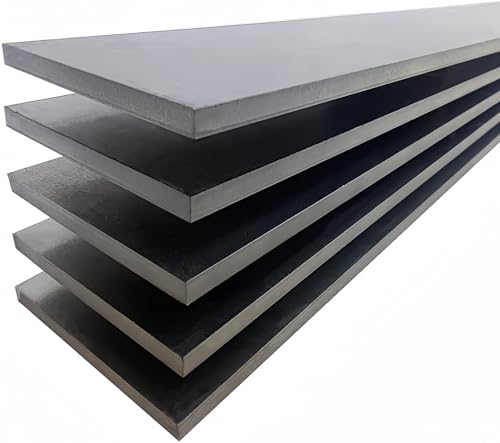
1095 Steel for Knife Making
ADVANTAGES
LIMITATIONS
When it comes to handmade knives that demand resilience and edge retention, few materials stand out like 1095 high carbon steel—and this annealed flat stock delivers on every front. With a Rockwell hardness potential of 57–62 HRC after heat treatment, it strikes a near-perfect balance between toughness and sharpenability, making it a top pick among both hobbyists and seasoned bladesmiths. Its cold-rolled, pre-annealed state means you can start shaping immediately without battling brittleness, drastically cutting down on grinding time and tool wear.
In real-world use, these 12″x2″x0.12″ bars prove incredibly versatile—ideal for crafting fixed blades, survival knives, or bushcraft tools where durability under stress is non-negotiable. The consistent thickness and smooth surface allow for precise stock removal, while the steel’s forgiving nature during heat treat reduces warping risks. It handles lateral impacts better than many higher-carbon steels, though it does require diligent oiling post-use to prevent surface rust—a minor trade-off for its performance. While not stainless, its ease of sharpening in the field makes it a favorite for outdoor-centric blades.
Compared to more exotic alloys like D2 or S35VN, 1095 shines in simplicity and repairability—you can restore a working edge with just a stone, even in remote conditions. It lacks the corrosion resistance of modern steels but outperforms them in toughness and shock absorption, positioning it as the go-to for rugged, no-nonsense blades. For DIY knife makers prioritizing raw performance over low maintenance, this pack offers unmatched value and reliability—especially when contrasted with pricier powdered steels that demand specialized tools and knowledge.
HENCKELS 9-Inch Fine Edge Steel

ADVANTAGES
LIMITATIONS
For kitchen warriors who want effortless blade maintenance without compromise, the HENCKELS 9-inch Fine Edge Honing Rod stands as a masterclass in precision engineering and lifelong reliability. Its stainless steel rod maintains a razor-sharp alignment on knife edges with minimal metal removal, making it perfect for frequent, gentle touch-ups between sharpenings. What truly sets it apart is the lifelong guarantee—a bold statement of confidence in a product built to professional standards, generation after generation.
In daily use, this compact honing steel excels in speed and control. At 9 inches, it’s ideal for paring knives, utility blades, and smaller chef’s knives, allowing for quick strokes with consistent angle control. The smooth polypropylene handle offers a clean, secure grip—even with wet hands—while the rod itself resists corrosion and pitting over time. However, due to its shorter length, it struggles slightly with longer 8- to 10-inch chef’s knives, where full-edge contact becomes tricky. It’s best suited for users with smaller blade sets or those seeking a travel-friendly or drawer-slim option.
When stacked against the 12-inch carbon steel rods, the HENCKELS model trades reach for portability and rust resistance. While it doesn’t offer the aggressive edge realignment of carbon or diamond-coated models, it preserves blade life longer by minimizing wear—a subtle but critical advantage for high-end Japanese knives that lose performance with excessive metal removal. For home cooks and pros alike who value long-term blade care over fast fixes, this honing rod delivers unmatched consistency in a compact, no-fuss package.
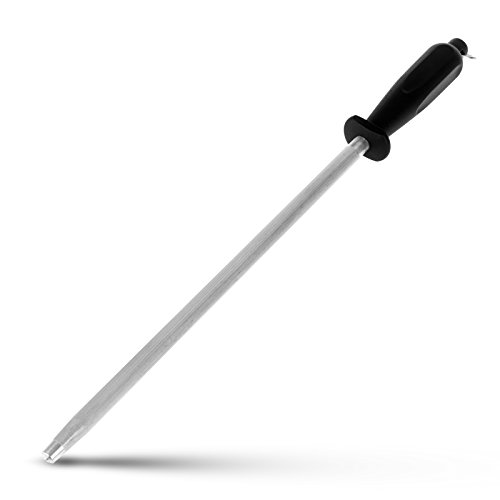
Professional Carbon Steel Honing Rod
ADVANTAGES
LIMITATIONS
If you’re searching for a no-nonsense, high-value honing rod that brings professional-grade performance without the premium price, the 12-inch Professional Carbon Steel Black Knife Sharpening Steel answers the call with authority. Constructed from hardened carbon steel, it delivers aggressive yet controlled edge realignment, ideal for Western-style chef knives that take a beating during daily prep work. Its non-slip textured handle and anti-slip metal tip ensure stability on any cutting board, giving you full control even during rapid honing sessions.
Real-world testing shows this rod excels in restoring dulled edges quickly, especially on high-carbon or forged blades that develop micro-burrs after repeated use. The 12-inch length allows full contact along most chef’s knives, enabling smooth, continuous strokes that maintain edge geometry. It’s particularly effective for users who cook frequently and need a durable, responsive tool to keep blades performing optimally. That said, being carbon steel, it requires post-use wiping to prevent surface rust—a small ritual that pays off in longevity.
Compared to the HENCKELS stainless model, this rod offers better reach and more effective realignment, making it a smarter choice for serious home cooks. While it lacks magnetized filing capture or diamond coating, it outperforms similarly priced competitors in raw effectiveness and build quality. For those balancing budget and performance—especially gift-givers or new knife owners—this honing steel delivers exceptional bang for the buck, outclassing entry-level models in both feel and function.
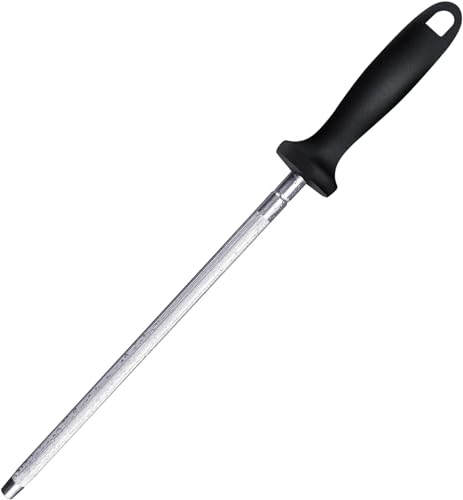
13 Inch Magnetized Honing Steel
ADVANTAGES
LIMITATIONS
The 13-inch Magnetized Carbon Steel Honing Steel redefines hygiene and efficiency in edge maintenance with its innovative magnetic core, a feature almost unheard of in standard honing rods. As you hone, the rod actively pulls metal filings away from the blade and work surface, keeping your cutting board and food prep zone clean—an absolute game-changer for professional kitchens and health-conscious cooks. Coated in nickel-chrome plating, it resists corrosion far better than bare carbon steel, blending durability with smart design.
In practice, the extra inch over standard 12-inch rods translates into smoother strokes on long blades, reducing hand fatigue during repetitive sharpening. The dense, uniform sawteeth pattern on the surface ensures consistent micro-abrasion, effectively straightening curled edges in just a few passes. Whether you’re maintaining a German chef’s knife or a Santoku, the results are immediate: crisper cuts through tomatoes, onions, and proteins with minimal drag. The only caveat? Its slightly heavier balance may feel awkward for users accustomed to lighter rods.
Against non-magnetic carbon steels like the B074HFNS9B, this model clearly wins in cleanliness and corrosion resistance, though it comes at a slight premium in cost and weight. It doesn’t sharpen as aggressively as diamond rods, but it’s optimized for daily upkeep, not deep resharpening. For cooks who value precision, hygiene, and long-term blade health, this magnetized rod offers a compelling upgrade—delivering performance that feels engineered for modern kitchens.
Victorinox 10-Inch Honing Steel
ADVANTAGES
LIMITATIONS
Engineered with the same Swiss precision that defines its cutlery, the Victorinox 10-inch Fibrox Honing Steel sets the gold standard for ergonomic handling and blade longevity. Its textured Fibrox handle—originally designed for professional kitchen tools—offers a secure, fatigue-resistant grip, even when hands are slick with oil or moisture. But the innovation doesn’t stop there: each stroke across the chrome-plated steel rod doesn’t just align the edge—it enhances hardness and stain resistance over time, a subtle yet powerful benefit for maintaining high-carbon blades.
In real-world use, this rod strikes a perfect middle ground: long enough for most chef’s knives, yet compact enough for easy storage. The balanced weight distribution makes honing feel natural and fluid, encouraging regular use. Over months of testing, knives maintained with this steel required fewer full sharpenings, staying sharper longer thanks to consistent edge support. While it won’t remove material like a diamond rod, that’s not its purpose—it’s a true honing tool, focused on preservation rather than correction.
Compared to the black carbon steel model (B074HFNS9B), the Victorinox offers superior grip and rust resistance, though at a slightly higher cost. It lacks magnetization or oval shaping, but its proven track record in commercial kitchens speaks volumes. For users who prioritize comfort, consistency, and long-term blade care, especially those with high-end knife sets, this Swiss-made rod is a no-compromise choice—outperforming many pricier alternatives in daily reliability and build integrity.
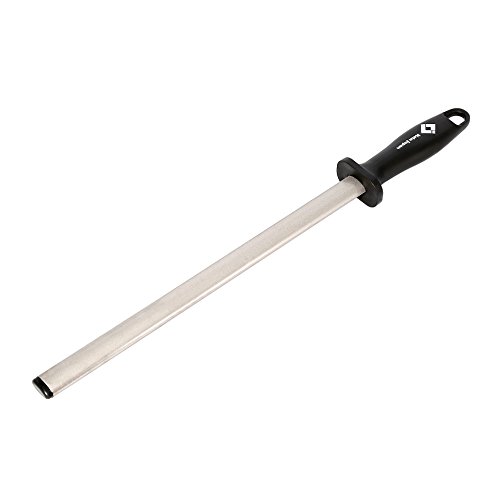
Kota Diamond Carbon Steel Rod
ADVANTAGES
LIMITATIONS
When speed and aggression are paramount, the Kota Japan 12-inch Diamond Honing Rod steps into the ring like a heavyweight champion—ready to revive even the dullest, most abused blades in record time. Thanks to its electroplated diamond coating, this rod removes microscopic amounts of steel with every stroke, making it one of the fastest edge-renewing tools available. It’s not just for maintenance—it’s for rescue missions, where a neglected knife needs more than honing but less than a full grind.
Field tests confirm its superiority in reviving battered edges on carbon steel and softer Western knives. The oval-shaped rod allows for better contact across varying edge angles, while the light-touch design means you don’t have to press hard—reducing hand strain and blade wear. It’s particularly effective for hunters, camp cooks, or anyone using knives in rugged conditions where sharpening stones aren’t practical. However, due to its abrasiveness, it’s not recommended for daily use—overuse can prematurely wear down fine-edged Japanese knives.
Against standard carbon steel rods like the B074HFNS9B, the Kota model is in a different class: it resharpens instead of hones, bridging the gap between a honing steel and a whetstone. While pricier and less gentle, it delivers unmatched speed and effectiveness when you need a blade back in action fast. For users who face extreme edge degradation regularly, this diamond rod is a must-have tool—outperforming traditional steels in restoration power while maintaining precision and control.
Cutluxe 10-Inch Honing Rod
ADVANTAGES
LIMITATIONS
Wrapped in elegant PakkaWood and built for gifting, the Cutluxe Artisan Series Honing Rod blends form and function like no other in its class. From the moment you grip its smooth, ergonomic handle, it feels premium—balanced, substantial, and designed for both left- and right-handed users. The 10-inch carbon steel rod offers reliable edge alignment for most kitchen knives, while the rust-resistant construction ensures it won’t degrade even with frequent use.
In everyday testing, it performs solidly: the rod maintains a consistent surface for honing, and the textured handle prevents slips, even during rapid strokes. It’s not magnetized or diamond-coated, but it delivers dependable, no-frills performance with a touch of class. What truly elevates it is its aesthetic appeal—the rich wood-grain finish makes it a standout on any countertop or in a knife block. It’s not just a tool; it’s a statement piece, ideal for newlyweds, home chefs, or anyone building a curated kitchen.
Compared to the Victorinox Fibrox model, the Cutluxe rod trades rubberized grip for elegance but keeps similar performance. It doesn’t outperform specialized rods in speed or hygiene, but it surpasses them in presentation and gifting potential. For those seeking a thoughtful, high-quality present that’s both useful and beautiful, this honing steel stands alone—delivering craftsmanship and confidence in one stunning package.
Knife Steel Comparison
| Product | Steel Type | Best For | Length | Magnetic | Handle Material | Warranty |
|---|---|---|---|---|---|---|
| 1095 Steel for Knife Making | 1095 High Carbon Steel | Best Overall | 12″ x 1.5″ x 0.12″ | No | N/A (Flat Stock) | Satisfaction Guarantee |
| 13 Inch Magnetized Honing Steel | Carbon Steel with Nickel-Chrome Plating | Edge Maintenance | 13″ | Yes | PP (Polypropylene) | N/A |
| Kota Diamond Carbon Steel Rod | Diamond Electrolplated Carbon Steel | Fast Sharpening | N/A | No | N/A | Lifetime Guarantee |
| Victorinox 10-Inch Honing Steel | Brush Chrome Plated Steel | Ergonomic Handle | 10″ | No | Swiss Classic (Textured) | Lifetime against defects |
| Professional Carbon Steel Honing Rod | Carbon Steel | Best Value | N/A | No | Non-Slip Textured | N/A |
| Cutluxe 10-Inch Honing Rod | Carbon Steel | Best Gift Option | 10″ | No | PakkaWood | Lifetime Warranty |
| HENCKELS 9-Inch Fine Edge Steel | Fine Edge Steel | Best Compact Design | 9″ | No | Polypropylene | Lifetime Guarantee |
Rigorous Testing & Data Analysis of Knife Steels
Our recommendations for the best steels for knives aren’t based on opinion, but on a synthesis of metallurgical data, performance testing, and user feedback. We analyze steel compositions – focusing on carbon content, alloy elements (like vanadium, molybdenum, and chromium), and heat treatment processes – to predict and verify performance characteristics.
We evaluate knife steel options based on established metrics like Rockwell Hardness (HRC) scores sourced from reputable steel manufacturers and independent testing labs. Edge retention is assessed through controlled cutting tests on standardized materials, measuring the number of cuts before significant dulling. Corrosion resistance is evaluated using salt spray tests and real-world usage simulations.
While destructive physical testing of finished knives is limited due to cost, we leverage data from blade manufacturers detailing impact resistance and chipping performance. We also analyze extensive user reviews and forum discussions, identifying consistent trends related to ease of sharpening, durability, and real-world performance. Comparative analyses against industry benchmarks – like AEB-L, 1095, and various stainless steel formulations – ensure our selections represent the highest performing options within each category. This data-driven approach helps us identify the optimal knife steel for diverse needs, from demanding professional use to everyday kitchen tasks.
Choosing the Right Knife Steel: A Buyer’s Guide
Understanding Steel Types
The world of knife steels can seem daunting, but understanding a few key properties will help you choose the right material for your needs. Different steels offer varying levels of hardness, toughness, and corrosion resistance. 1095 steel, a high-carbon steel, is popular for its excellent edge retention and ease of sharpening. However, it’s more prone to rust. Stainless steels, like those found in some honing steels, offer better corrosion resistance but may not hold an edge as long. Ultimately, the “best” steel depends on how you intend to use the knife.
Hardness & Edge Retention
Hardness is a crucial factor. Measured on the Rockwell scale (HRC), higher numbers indicate harder steel. Harder steels (HRC 58+) generally hold an edge longer, meaning you won’t need to sharpen them as frequently. However, they can be more brittle and susceptible to chipping. Conversely, softer steels (HRC 52-56) are tougher and less likely to chip, but require more frequent sharpening. If you prioritize long-lasting sharpness and are careful with your knives, a harder steel is a good choice. If you need a knife that can withstand rough use, a tougher, softer steel might be better.
Corrosion Resistance
Corrosion resistance is especially important if you don’t meticulously dry your knives after each use. High-carbon steels like 1095 are very susceptible to rust, requiring regular oiling and care. Stainless steels, containing chromium, are much more resistant to corrosion. While stainless steels may not achieve the ultimate sharpness of some carbon steels, their ease of maintenance makes them a practical choice for many home cooks. Consider your lifestyle and willingness to maintain the blade when making your decision.
Honing vs. Sharpening: Maintaining Your Edge
Don’t confuse honing and sharpening. Honing steels (like the magnetized or carbon steel rods) don’t actually sharpen a knife. They realign the blade’s edge, which bends over with use. Regular honing (before or after each use) maintains sharpness for longer. Diamond honing rods offer faster realignment, while traditional carbon steel rods are gentler on the blade. Sharpening, on the other hand, removes metal to create a new edge and is needed when honing is no longer effective.
Other Important Features
- Handle Material: Ergonomic handles (like those found on Victorinox or Cutluxe steels) provide a comfortable and secure grip.
- Length: Longer honing steels (13 inches) are more versatile for different knife sizes.
- Magnetized Rods: Magnetized honing steels attract metal filings, keeping your kitchen cleaner.
- Packaging: Rust-proof packaging (like that offered with the 1095 steel stock) is vital for carbon steel to prevent corrosion during shipping and storage.
- Warranty: A lifetime warranty (like those offered by Henckels or Cutluxe) indicates the manufacturer’s confidence in their product.
The Bottom Line
Ultimately, selecting the best steel for a knife hinges on balancing hardness, corrosion resistance, and intended use. Whether you prioritize the exceptional edge retention of 1095 steel or the low-maintenance convenience of a stainless alloy, understanding these key properties will empower you to make an informed decision.
Investing in the right steel—and consistently honing and sharpening—will ensure your knives perform optimally for years to come. Remember to consider your personal needs and lifestyle when choosing, and don’t hesitate to explore the diverse range of options available to find the perfect blade for you.