
Forged Vs. Stamped Knives: What’s The Real Difference?
This post contains affiliate links. As an Amazon Associate, we earn from qualifying purchases.
Forged knives are crafted from a single piece of steel, offering superior strength, balance, and edge retention compared to stamped knives, which are cut from sheets of steel and tend to be lighter and easier for slicing. While forged knives excel in durability and performance for tough tasks, stamped knives require more frequent sharpening. For those interested in a deeper understanding of these differences and how they may influence your kitchen choices, further details will follow in the article.
Essential Facts in 30 Seconds
- Forged knives are crafted from solid steel, providing greater durability and resistance to warping than stamped knives.
- Stamped knives are lighter and more flexible, suitable for slicing tasks, but require more frequent sharpening.
- Forged knives have superior edge retention due to better heat treatment, maintaining sharpness longer than stamped options.
- The bolster design in forged knives improves balance and control, which is absent in stamped knives, potentially affecting user comfort.
- Personal preference is crucial in knife selection, as differences in handle material and weight influence comfort and performance for users.
Understanding Forged Knives
High-quality kitchen knives often include forged knives. These knives are made from one piece of steel. They’re heated and hammered into shape. This process makes the blade strong and durable.
Forged knives have a sharp edge that lasts longer than stamped knives. They undergo quenching and tempering for better edge retention.
A standout feature is the full tang construction. The steel runs through the handle, adding strength and balance. The weight feels solid, especially near the bolster, which helps with stability.
This balance makes forged knives perfect for tough tasks like chopping and mincing. You can feel confident as you cook with these reliable tools. Additionally, the heat treatment applied to forged knives significantly enhances their overall blade performance, ensuring durability and effectiveness in the kitchen.
The Benefits of Forged Knives
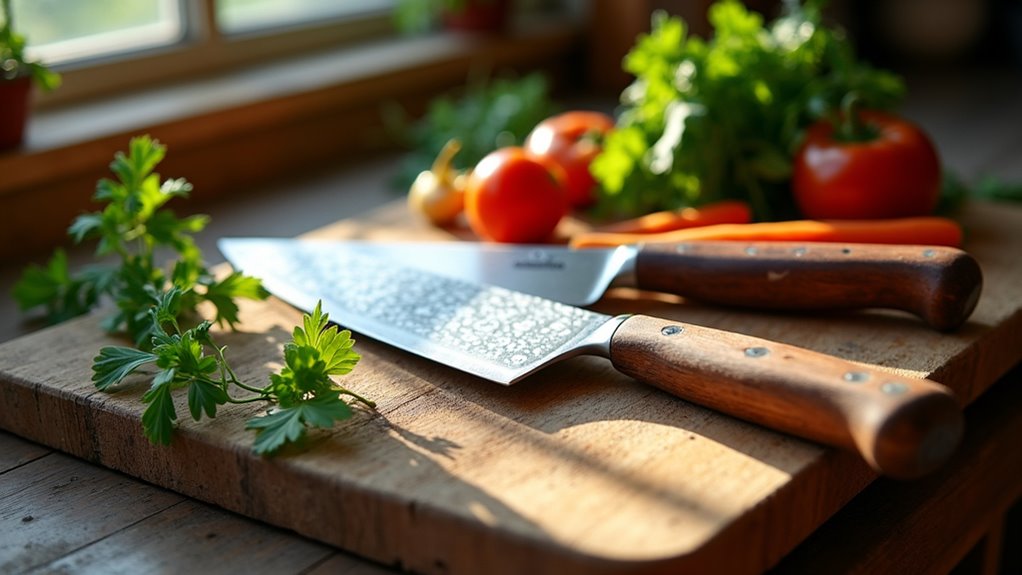
Forged knives offer great balance and weight. This makes cutting easier and more comfortable. They hold their edge longer, so you won’t need to sharpen them often. Their durability means they can handle tough cooking tasks. You can trust them for reliable performance every time. These knives are built to last. Additionally, many forged knives feature full tang design, which enhances their strength and stability during use. Enjoy the efficiency they bring to your kitchen!
Exceptional Balance and Weight
Forged knives are known for their great balance and weight. Many cooks prefer them for this reason. The bolster helps with balance by placing weight near the blade’s center. This design allows for better control during cutting.
Full tang construction spreads the weight evenly, adding stability and reducing fatigue. Typically, forged knives are heavier than stamped knives. This extra weight helps you make powerful cuts with less effort.
The heating and hammering process creates a solid blade. This process gives forged knives a uniform density, allowing for better balance. A well-balanced knife enhances control during cutting, making it easier to achieve precise results.
You will notice the grip feels comfortable and stable. This is important, especially when cutting tough ingredients or doing detailed work. A well-designed forged knife makes cooking easier and more enjoyable.
Superior Edge Retention
A well-made knife feels balanced and keeps its edge longer.
Forged knives come from a single piece of steel. This makes the blade denser and harder. These knives have better edge retention than stamped knives.
The heat treatment process makes the steel stronger. It helps the knife stay sharp and resist dulling. Most forged knives have a Rockwell hardness rating between 58-60 HRC. This means they stay sharp for a long time.
Their thicker blade adds stability while cutting. This reduces the chance of chipping the edge.
Regular maintenance is important. Use proper sharpening techniques to keep your knife effective. Additionally, carbon steel options in forged knives can provide exceptional sharpness and edge retention.
A forged knife is a smart choice for any cook.
Enhanced Durability and Strength
Knives made from a single piece of steel are strong and long-lasting. Unlike stamped knives, forged knives go through a special process. This process makes them better for cooking.
Here are some key benefits:
- Better durability: They won’t warp or bend easily.
- Greater strength: They can handle tough tasks in the kitchen.
- Longer edge life: Forged knives stay sharp for longer.
- Balanced weight: The bolster helps with control while cutting.
- Sharpness that lasts: Heat treatment keeps the edges effective.
Investing in a forged knife means getting a tool that lasts. You can tackle any cooking challenge with ease. Additionally, forged knives often feature a polished finish that enhances their aesthetic appeal, making them a beautiful addition to any kitchen.
Each time you slice through food, you’ll feel the strength and balance in your hand.
Exploring Stamped Knives
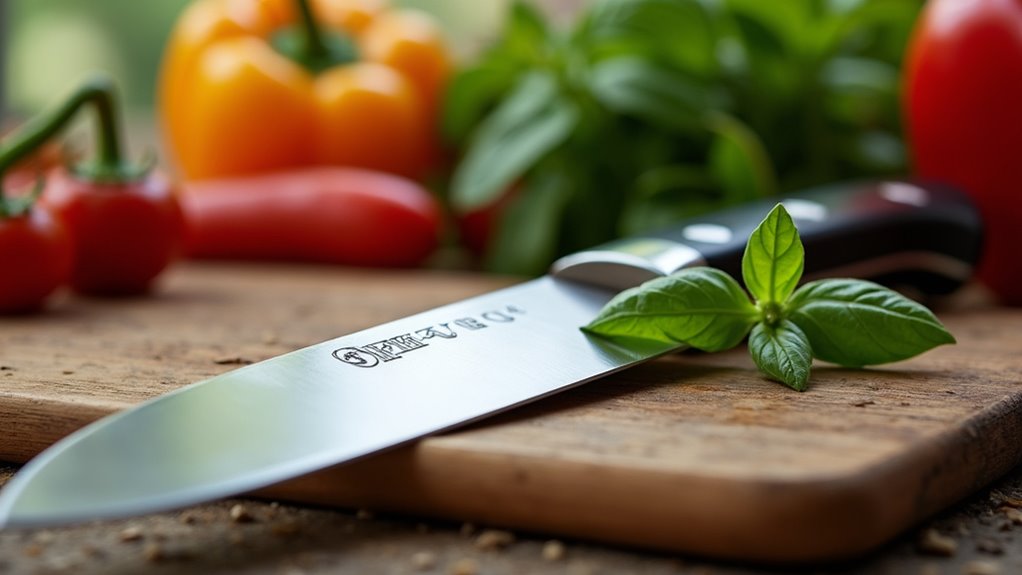
Stamped knives are made from large sheets of steel. This method is fast and cost-effective.
These knives are lighter and more flexible. They work well for tasks like slicing fruit. However, they need sharpening more often than forged knives.
Stamped knives are great for home cooks. They’re easy to handle and maneuver. Many people enjoy using them for everyday cooking tasks.
Manufacturing Process Overview
Stamped knives are popular kitchen tools because of their quick and easy manufacturing process. These knives come from large sheets of steel, making them faster and cheaper to produce than forged knives.
Here are some important features of stamped knives:
- Lightweight: Easy to handle, they help reduce fatigue while cooking.
- Thin Design: Their slim shape is perfect for delicate tasks like slicing vegetables.
- Honing and Heat Treatment: These methods make them durable, but they mightn’t hold an edge as well.
- No Bolster: This design may affect balance, so use them carefully.
- Cost-Effective: Stamped knives usually cost less than forged knives.
These features make stamped knives a great choice for many cooking styles, especially when performing tasks that require a versatile tool.
Advantages and Disadvantages
Stamped knives have both good and bad points.
They’re lighter and thinner than forged knives. This makes them easier to use for delicate tasks. You can cook longer without feeling tired. Stamped knives are also cheaper because they’re made quickly.
On the downside, they mightn’t hold their edge well. This means you may need to sharpen them more often. They can feel less balanced, which might lead to uneven cuts.
Their flexibility is a double-edged sword. It helps with many tasks, but it can also be risky when cutting tough foods. A stamped knife’s versatility helps in various kitchen tasks, much like a Santoku knife does.
Think about these pros and cons carefully. Choose the knife that fits your cooking style best.
The Advantages of Stamped Knives
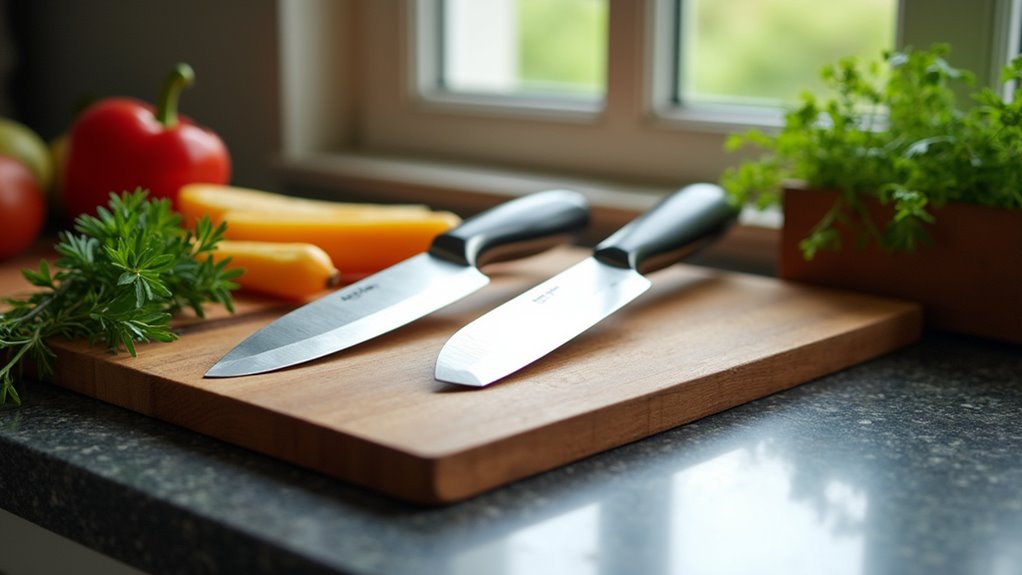
Stamped knives bring many benefits for everyday cooking.
They’re lighter than forged knives, making them easy to handle. This helps reduce tiredness during long cooking times. Their affordable price means you can get quality without spending a lot. The thin blades offer better flexibility, which is great for tasks like filleting fish. Additionally, their replaceable blades simplify maintenance, allowing for a focus on cooking rather than upkeep.
Key benefits of stamped knives include:
- Easy to handle due to their light weight
- Affordable, helping you save money
- Flexible design for detailed cutting
- Great edge retention with proper care
- Comfortable grip for improved control
These features make stamped knives a smart choice for your kitchen.
They provide both practicality and efficiency in cooking tasks.
Comparing Durability and Performance
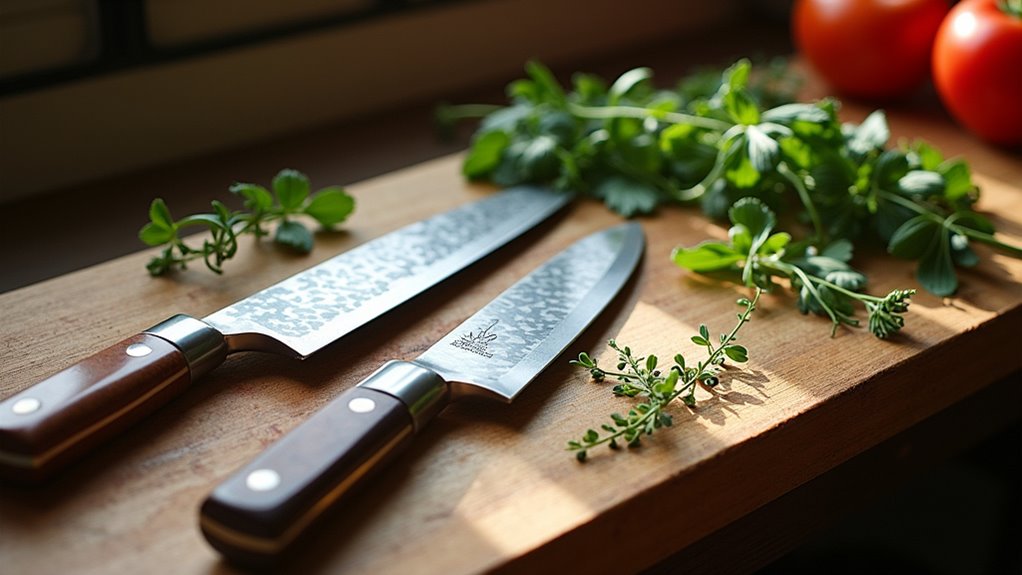
Forged and stamped knives differ in many ways. Durability and performance are important factors to consider.
| Feature | Forged Knife | Stamped Knife |
|---|---|---|
| Construction | Made from a solid steel bar | Cut from a metal sheet |
| Durability | High, resists warping | Lower, bends easily |
| Edge Retention | Excellent | Average |
| Heat Treatment | Improved during forging | Done after production |
| Balance & Stability | Better with a bolster | Limited flexibility |
Forged knives offer more durability due to their solid build. They stay sharp longer because of better heat treatment. Stamped knives are lighter and good for delicate tasks. They need sharpening more often. Stamped knives may struggle with tough kitchen tasks. Proper cleaning and drying after use is crucial for maintaining the longevity of both types of knives.
Choose wisely based on your cooking needs.
Making the Right Choice: Forged or Stamped?
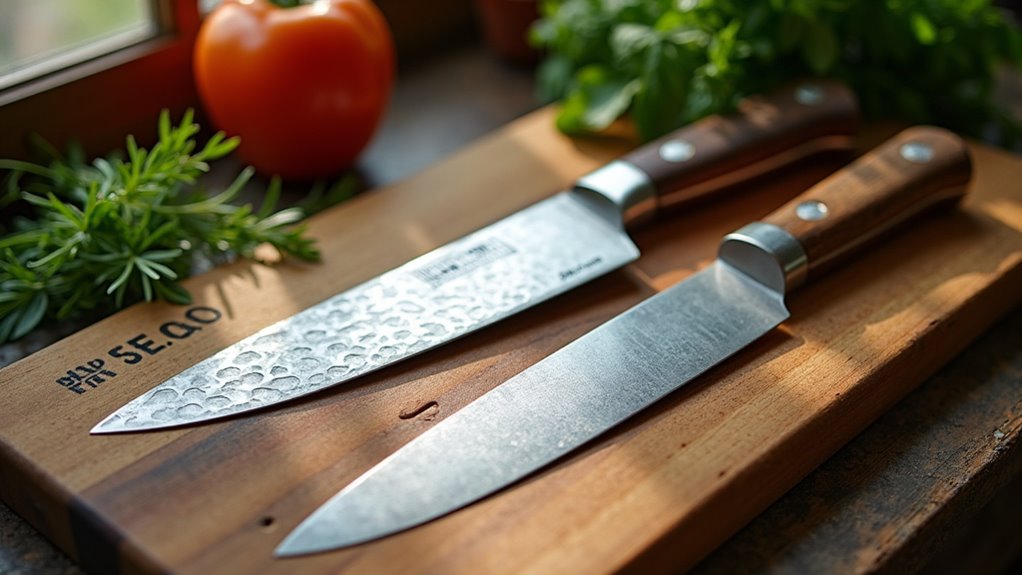
Deciding between a forged or stamped knife? Here are some important points to help you choose:
- Weight: Forged knives are heavier and offer better balance for tough jobs.
- Durability: Forged knives last longer due to their strong build.
- Edge Retention: Forged knives keep their sharp edges longer. This means less time sharpening.
- Manufacturing Method: Forged knives are made using a labor-intensive process, so they can be more expensive.
- Comfort: It’s all about how each knife feels in your hand.
Think about your cooking style. A forged knife works well for heavy tasks. A stamped knife is great for lighter, delicate work. Additionally, consider the handle material; options like Micarta and G10 can significantly affect grip and performance.
Choose what fits your needs best!
Frequently Asked Questions
Can Forged Knives Be Sharpened Easily at Home?
You can easily sharpen forged knives at home. Use tools like sharpening stones or honing rods. These tools help keep the knife’s edge sharp. This makes cutting easier and safer.
To sharpen, follow these simple steps. First, clean the knife. Then, choose the right angle for sharpening. Usually, a 20-degree angle works well. Apply gentle pressure while moving the knife on the stone. Repeat this several times.
Regular maintenance is key. Wipe the blade after each use. Store the knife in a safe place. This way, your knife will last longer and stay sharp. Enjoy cooking with your well-maintained forged knife!
Are Stamped Knives Suitable for Professional Chefs?
Stamped knives provide great performance for professional chefs. They are lightweight and easy to handle. Their ergonomic design helps with comfort and precision. Chefs appreciate how quickly they can work with these knives.
Sharpening is needed more often than with other types of knives. This may be a downside for some. Yet, many chefs find the price of stamped knives very appealing. Overall, they offer a good balance of quality and affordability.
How Do I Care for Forged Knives?
Caring for forged knives is simple and important. Clean your knives properly after each use. Hand wash them with warm, soapy water. Avoid the dishwasher, as it can damage the blade and handle.
Regularly hone your knife’s edge. Use a honing steel to keep the blade sharp between sharpening sessions. Sharpen your knife every few months or when it feels dull. A sharp knife is safer and easier to use.
Store your knives safely. Use a knife block, magnetic strip, or sheaths. Proper storage helps prevent accidents and keeps blades from getting damaged.
Prevent rust by drying your knives immediately after washing. Store them in a dry place. Don’t leave them in water or soak them.
Take care of the handle too. Wipe it clean after each use. If it’s made of wood, apply mineral oil occasionally to keep it in good shape.
Following these steps will help your forged knives last longer. Enjoy cooking with sharp, well-cared-for knives!
What Materials Are Used in Stamped Knives?
Stamped knives are made from high-carbon stainless steel. This type of steel is strong and resists rust. The blades have different thicknesses. Thicker blades offer more strength, while thinner ones provide flexibility.
The handles are made from polymer or composite materials. These materials feel comfortable to hold. They also help with grip while cutting.
These knives are known for keeping their sharp edges. They balance well in your hand. This makes cutting tasks easier and more enjoyable. Stamped knives are a great choice for anyone who cooks.
Do Forged Knives Require Special Storage Solutions?
Forged knives need special storage solutions. Use knife blocks to keep them safe. Magnetic strips are great for easy access and quick storage. Protective sheaths help avoid blade damage.
Avoid putting knives in drawers without inserts. This can cause scratches and dullness. Keep the knives dry to prevent rust. Control humidity and temperature to maintain sharpness. Proper storage keeps your forged knives in top shape.
Conclusion
Now that you understand the differences between forged and stamped knives, it’s time to decide. Think about how often you cook. Consider the tasks you need a knife for. Forged knives are strong and perfect for heavy jobs. Stamped knives are lighter and easier to use. Your choice can change your cooking experience. Pick wisely, and you may find your new favorite kitchen tool.