
Common Knife Handling Mistakes And How To Fix Them
This post contains affiliate links. As an Amazon Associate, we earn from qualifying purchases.
To enhance your safety and efficiency in the kitchen, it’s essential to avoid common knife handling mistakes. Always cut away from your body, use a claw grip for better food handling, and select the appropriate knife for each task. Keeping your knives sharp can help prevent accidents, and proper care, such as washing by hand and drying immediately, is crucial. Additionally, ensure you’re using a proper grip while cutting. This article will provide further explanations and supporting details for those interested in improving their knife skills.
Essential Facts in 30 Seconds
- Cut away from your body and use the claw grip for stability and injury prevention.
- Regularly sharpen knives to maintain effectiveness and reduce accident risks.
- Select the right knife for each task to enhance safety and efficiency.
- Clean knives by hand with warm, soapy water and dry immediately to prevent rust.
- Use the pinch grip for better control and precision while cutting.
Improper Cutting Techniques
Cutting in the kitchen requires careful techniques for safety. Always cut away from your body. This direction helps prevent serious injuries.
Use the claw grip with your non-dominant hand. This grip holds food securely and provides stability.
Sharp knives are safer. They need less force, so use a steady motion. Slicing smoothly protects the blade and improves your skills. Regular sharpening of knives is essential for optimal performance in the kitchen.
Check your methods often. Adjusting them boosts safety.
With the right techniques, you lower risks and cook more efficiently. Stay sharp and safe in the kitchen!
Ignoring Knife Care
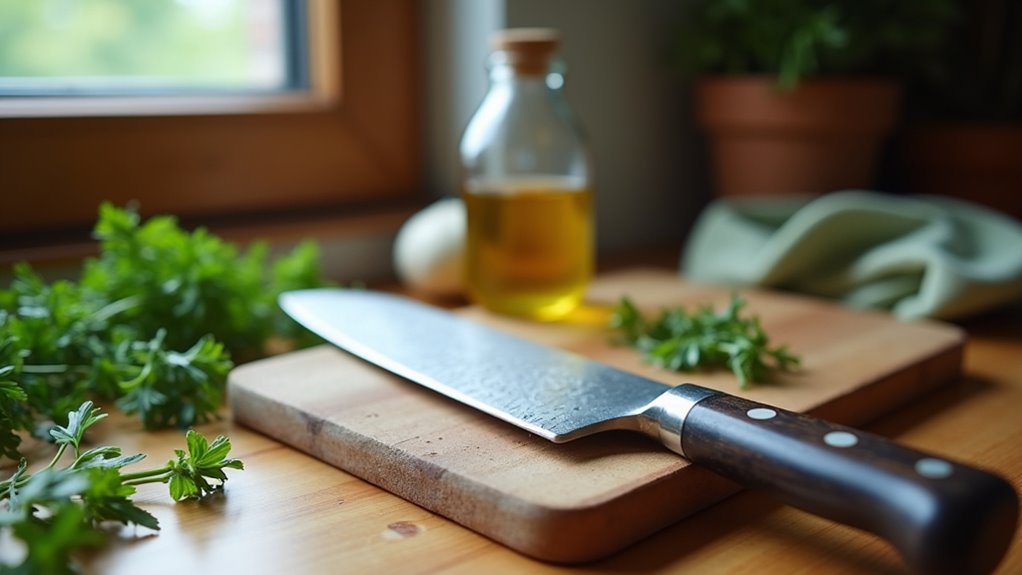
Caring for your knives is essential for their longevity and performance. Neglecting knife care leads to dull blades and potential damage.
Always wash your knives by hand using warm, soapy water. Avoid the dishwasher. This method protects the blade’s edge from harsh detergents and high heat.
After washing, dry your knives right away with a soft towel. This simple step helps prevent rust and corrosion from moisture. Regularly checking for rust on carbon steel knives can also be beneficial for maintaining your knives.
Regular cleaning and drying are crucial to keeping your knives in top shape. Following these easy tips will keep your knives sharp and ready for any job. They’ll serve you well for many years.
Using the Wrong Knife for the Job
Using the right knife is very important in the kitchen. It keeps you safe and makes cooking easier. Many cooks make a mistake by not using the right knife.
For example, peeling fruits with a chef’s knife can be tricky and unsafe. A paring knife is a better choice for that.
When cutting hard vegetables like butternut squash, use a strong cleaver or a heavy chef’s knife. This helps you cut safely. Knowing what each knife is for helps a lot. A versatile tool is essential for any home cook, especially in a hurry.
Getting a good set of knives means you have the right tool for every job. This makes cooking better and keeps you from getting hurt.
Choose wisely to make your kitchen safe and efficient!
Dull Knives Are Dangerous

[Dull knives can be very dangerous. They need more strength to cut through food. This extra force can lead to accidents. A dull blade can slip and cause injuries. It’s harder to keep a dull knife on the right path. Sharp knives are safer and easier to use.
To stay safe, sharpen your knives regularly. It’s best to sharpen them every few months. Use honing steel or whetstones to keep them sharp. Regular honing maintains knife sharpness and ensures better performance in the kitchen.
Here’s a simple comparison:
| Dull Knife | Sharp Knife |
|---|---|
| Needs more force | Cuts easily |
| Can slip easily | Safer to handle |
| Needs more sharpening | Keeps sharp longer |
Keep your knives sharp. It makes cooking safer and more enjoyable!]
Incorrect Grip
Proper knife handling is crucial for safety and efficiency. Many people grip the knife incorrectly. They often place their index finger on top of the blade’s spine. This reduces control and increases the risk of slipping. Instead, fully wrap your fingers around the handle. This provides a secure hold.
Avoid gripping the knife at the back of the handle. This can lead to less control and hand fatigue. A better method is the pinch grip. Pinch the blade with your thumb and index finger. Let your other fingers grip the handle. This technique improves control and precision. Additionally, using a sharp chef’s knife enhances cutting effectiveness and minimizes the risk of accidents.
A proper grip boosts cutting efficiency and reduces accidents in the kitchen. Always prioritize safety while cooking. Remember, how you hold the knife matters. Keep your grip strong and steady for the best results.
Frequently Asked Questions
How Often Should I Replace My Kitchen Knives?
Replace your kitchen knives every 5 to 10 years. This depends on how much you use them. Keep an eye out for signs of wear. Dull blades and rust are common problems. Use a whetstone or honing rod to sharpen them. Clean and dry your knives after each use. Store them in a knife block or magnetic strip. These steps help your knives last longer. A well-maintained knife performs better and feels safer. Regular checks can save you money in the long run. Keep your kitchen tools in top shape for the best cooking experience.
Can I Use a Dishwasher to Clean My Knives?
Using a dishwasher to clean knives is not a good idea. Hand washing is the best way to keep your knives in great shape. High heat from the dishwasher can hurt the blades. Moisture can cause rust. This damage can make your knives dull and unsafe.
Taking a few minutes to wash knives by hand is worth it. Use warm water and mild soap. Dry them right after washing. This will help them last longer. Always store knives in a safe place. A knife block or magnetic strip works well.
Caring for your knives means they will stay sharp and useful. Good knives make cooking easier and more fun. Keep them clean and safe. You’ll enjoy cooking more with well-maintained tools.
What Materials Are Best for Knife Storage?
Magnetic strips keep knives handy. They save space and look great on your wall. Knife blocks offer protection. They hold knives safely and keep them organized. Drawer inserts help you find knives easily. They keep blades in order and protect sharp edges.
Each storage method helps keep knives sharp and safe. Pick the one that fits your kitchen best. Safe storage means fewer accidents and longer-lasting knives. Enjoy cooking with your well-stored knives!
How Do I Know When My Knife Needs Sharpening?
You can tell your knife needs sharpening if it drags while cutting. This drag means it can’t slice easily. Regular maintenance every few months helps keep your knives sharp. Use honing techniques to maintain their efficiency. Watch for signs like needing too much force while slicing. A sharp knife makes cooking safe and enjoyable. Keep your kitchen tools in top shape for the best results.
What Is the Best Way to Prevent Knife Rust?
Prevent knife rust by drying your knives right after washing. Use a cloth to wipe them clean. Apply a thin layer of cooking oil for extra protection. Store your knives in a dry place. Avoid damp areas to keep them safe from moisture. Regular maintenance makes knife care easy. A simple routine helps your knives last longer. Remember, rust can ruin a good knife. Keep your tools in top shape!
Conclusion
A knife is an important tool in the kitchen. Use it correctly to make great meals. Avoid common mistakes to improve your knife skills and stay safe.
Practice proper cutting techniques. Hold the knife the right way. Keep your knife sharp. A sharp knife works better and is safer. Choose the right knife for each task. Different tasks need different knives.
Take care of your knife. Clean it after each use and store it safely. With these tips, you will feel more confident in your cooking. Enjoy chopping!