
How To Use A Serrated Knife Correctly
This post contains affiliate links. As an Amazon Associate, we earn from qualifying purchases.
To use a serrated knife correctly, grip the handle firmly and employ a gentle sawing motion for effective slicing. When cutting bread, apply light pressure to prevent squishing, and for tomatoes and soft fruits, use a claw grip for safety, allowing the knife’s teeth to do the work. When carving meat, slice against the grain for more tender pieces. Keeping your knife clean and stored properly is essential. Further explanation and techniques will be provided later for those who want to enhance their cutting skills and kitchen efficiency.
Essential Facts in 30 Seconds
- Use a gentle sawing motion with light pressure when slicing bread to avoid squishing.
- For soft fruits like tomatoes, use a claw grip and maintain a steady sawing motion.
- Carve roasts against the grain with long, smooth strokes for better control and juiciness.
- Regularly sharpen the serrated edge to maintain cutting efficiency.
- Clean the knife after each use and store it properly to protect the edge.
Understanding the Serrated Knife
A serrated knife is known as a bread knife. Its unique design features a toothed edge that acts like a saw. This makes it ideal for slicing bread and soft fruits. The serrations grip the crust. They help make clean cuts without squishing the soft inside. This keeps your bread’s structure intact.
Besides bread, a serrated knife is great for pastries and cakes. For the best results, choose one made of high carbon stainless steel. This material offers durability and strength. A longer blade length is also recommended for better leverage when slicing larger loaves.
Larger knives are better for slicing bread. Smaller ones work well for delicate tasks, like cutting steak. A good serrated knife is a must-have in any kitchen.
Slicing Bread and Baked Goods

Slicing bread and baked goods can be easy. Use the right technique for the best results.
Start with a soft sawing motion. Apply light pressure. This prevents squishing the soft inside. A serrated knife works best. It helps you cut clean, even slices.
This method is great for crusty loaves and delicate cakes alike. Keep your knife steady for perfect slices every time.
Using a serrated knife ensures perfect slices every time, allowing you to enjoy your baked goods!
Proper Cutting Technique
Mastering the right cutting technique with a serrated knife makes a big difference for bread and baked goods. Start by placing the knife tip on the cutting board at a slight angle. Use a gentle sawing motion to cut through the crust. This way, the soft inside stays intact. You will get even slices every time.
For crusty breads, begin with light pressure to break the outer crust. Then, slowly increase the pressure for a clean cut. Slicing cakes or delicate pastries is different. Let the knife glide smoothly through the layers to avoid crumbling. Always check that your knife is clean and dry for the best results.
| Step | Action | Tips |
|---|---|---|
| 1 | Position knife tip on cutting board | Keep a slight angle |
| 2 | Use gentle sawing motion | Don’t compress the inside |
| 3 | Apply light pressure for crusty breads | Increase pressure gradually |
| 4 | Glide through cakes and pastries | Avoid crumbling |
Types of Baked Goods
Slicing baked goods needs some know-how. For bread, a serrated knife works best. It cuts through crusty loaves like artisan bread and baguettes easily. This knife keeps the soft inside safe. For softer breads, use a gentle sawing motion. This prevents crushing the loaf.
Cakes also need special care. A serrated knife helps slice clean layers. This makes it easier to add filling and look good on a plate.
Bagels and delicate pastries need a serrated edge too. It grips the surface and allows for neat cuts. The Santoku knife is another versatile tool that can complement your slicing techniques by providing precise cuts when needed.
Using a serrated knife improves slice quality. It also makes your baked goods look great. Enjoy your baking and slicing!
Perfect for Cakes and Pastries
A serrated knife is essential for cutting cakes and pastries. Its toothed edge helps make clean, even cuts.
Start at the center of the cake. Use a gentle sawing motion for better results. This method keeps the layers intact and looking great. A serrated knife also works well for slicing cakes into layers for filling. The serrations grip the cake without crushing it.
For pastries like eclairs and cream puffs, a serrated edge ensures clean slices. It preserves the light and airy texture inside.
Choose a serrated knife with a comfortable grip. This helps reduce hand strain during long slicing sessions. Enjoy your baking and slicing!
Cutting Tomatoes and Soft Fruits

Cutting tomatoes and soft fruits is easy with a serrated knife. This knife, also known as a bread knife, has a saw-like edge. It grips the skin of tomatoes well.
Hold the fruit with a claw grip to stay safe. For tomatoes, gently saw through the skin. Apply light pressure to keep the flesh whole.
To slice soft fruits like peaches or plums, place the knife tip at the top. Draw it down smoothly for perfect slices.
For citrus fruits, the serrated knife cuts through tough skin while keeping the juice inside. This method gives you clean, even slices. Your dishes will look beautiful and fresh. Enjoy your cooking!
Carving Roasts and Large Cuts of Meat

Carving roasts and large cuts of meat requires a good serrated knife. Start with a stable cutting board. Focus on your cutting technique for the best results. Slice against the grain to keep the meat juicy.
Maintain a steady angle for clean, even slices. Use long, smooth strokes for better control. Cut slowly to avoid tearing the meat.
Make sure to keep your fingers safe while carving. With practice, you’ll become skilled at slicing meat perfectly. Enjoy delicious, tender slices that impress your family and friends.
Happy carving!
Choosing the Right Knife
A good serrated knife is essential for carving roasts and large cuts of meat.
A knife that’s 10 to 12 inches long works best for slicing bigger roasts. Look for one with long, deep serrations. These serrations cut through tough crusts and meat fibers easily.
High carbon stainless steel is the best material. It stays sharp and lasts a long time. An ergonomic handle is important too. It gives a firm grip, especially when carving hot roasts.
A pointed tip helps start cuts in large pieces. This makes it easier to slice meat evenly without tearing.
Cutting Technique Tips
Master the art of cutting with your serrated knife. This skill helps you serve perfect slices of roast. Start with a gentle sawing motion on tough crusts. Let the serrations grip the meat without tearing it. Hold your knife at an angle for better control. This ensures clean, even slices.
Begin at the end of the roast. Apply light pressure, especially on crispy exteriors like roast chicken. Always let larger cuts rest before slicing. This keeps the meat tender and flavorful. Slice against the grain for pieces that are easy to chew.
Practice cutting soft fruits with your serrated knife too. This will improve your kitchen skills. Enjoy the process and get better with every slice!
Maintaining Meat Juiciness
To keep your roasts and large cuts of meat juicy, carve them the right way. Use a serrated knife. It cuts through the tough crust easily without tearing the meat. This helps you get clean, even slices.
Start cutting at the edge where the crust is firm. The serrated edge will grip and guide the knife smoothly through the meat. Use a gentle sawing motion to keep the meat intact. This way, you prevent juices from escaping.
Always slice against the grain for the best results. Let the meat rest for a few minutes before serving. This allows the juices to spread out and makes sure each piece stays juicy.
Handling Sushi Rolls
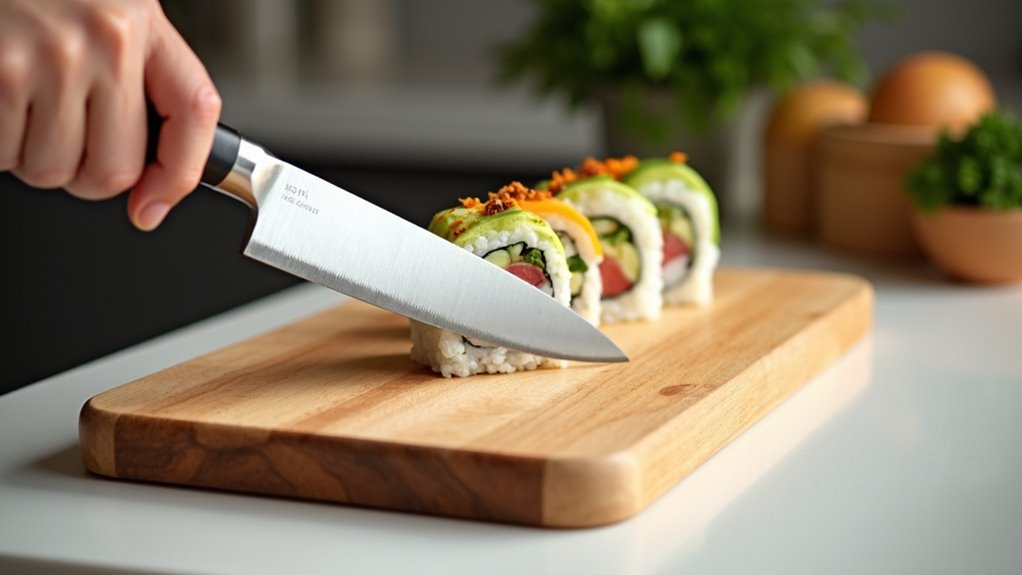
A serrated knife is essential for cutting sushi rolls. This knife makes clean cuts through seaweed and rice. It prevents squishing the ingredients inside.
Start by dampening the knife blade with water or vinegar. This helps stop sticking. Use a gentle sawing motion to cut the roll. Avoid pressing down hard to keep the filling safe. Aim for pieces about one inch thick. This size looks neat and serves well.
Always cut from the center of the roll outwards. This method gives better control and less pressure. Follow these tips to keep your sushi intact and ready to serve. Enjoy making your sushi!
Versatility in the Kitchen

Many people see a serrated knife only as a bread cutter. This tool is much more than that. It’s a must-have in your kitchen.
Use it to slice soft fruits like tomatoes and peaches. The toothed edge grips tough skins while keeping the insides intact. It’s perfect for cutting cakes too. Create clean layers for your desserts easily.
When carving roasts, this knife shines. It cuts through crusty surfaces smoothly, giving neat portions. Additionally, mastering cutting techniques can further enhance your efficiency and precision when using a serrated knife.
With fewer, wider serrations, it works well on both soft and firm foods. A serrated knife makes food prep simpler and more enjoyable. Make sure to add this handy tool to your kitchen!
Frequently Asked Questions
Can I Use a Serrated Knife for Cutting Vegetables?
A serrated knife can be a good choice for cutting vegetables. It makes clean cuts and helps keep the vegetable’s shape. This knife works well for soft veggies like tomatoes and cucumbers. For harder vegetables, like carrots or potatoes, a straight-edged knife is better. Using the right knife makes cooking easier and more fun.
How Do I Sharpen a Serrated Knife Effectively?
Sharpening a serrated knife is simple. Use a ceramic honing rod for the best results. Focus on each gullet, the curved part of the blade. Apply gentle pressure as you work. Avoid traditional sharpeners. They can damage your knife’s unique edge.
To maintain your serrated knife, clean it after each use. Rinse it with warm water and mild soap. Dry it well to prevent rust. Store the knife in a safe place. A knife block or sheath works well.
Regular maintenance keeps your knife sharp longer. Check the edge often. With proper care, your serrated knife will last for years. Enjoy smooth slicing with your well-maintained knife!
Is a Serrated Knife Safe for Children to Use?
A serrated knife can be safe for children with the right supervision. Parents should follow age guidelines for using knives. Teach kids proper techniques to stay safe. Show them how to use a claw grip. This grip keeps fingers away from the blade. Always supervise them while they use the knife. Start with soft foods like bread or tomatoes. These foods are easier to cut and safer for beginners. Safety is key. With the right guidance, children can learn to use a serrated knife safely.
What Materials Are Best for Serrated Knife Handles?
A serrated knife handle can be made from different materials. Wood offers a classic grip. It feels nice and provides comfort. Plastic is lighter and easier to handle.
Ergonomic design is important. It helps reduce hand fatigue during use. Look for handles with a good shape that fits your hand.
Maintenance matters too. Clean the handle regularly to keep it safe and durable. A well-cared-for knife lasts longer and performs better. Choose the right material to enjoy your knife for years.
How Do I Clean a Serrated Knife Properly?
Cleaning a serrated knife is easy. First, get warm, soapy water. Use a soft sponge to wash the blade gently. Avoid harsh scrubbers. Rinse the knife well to remove soap. Dry it right away with a clean towel. Don’t leave it wet. Store the knife safely in a drawer or a knife block. This care keeps your knife sharp and helps it last longer. Regular cleaning is important for safety and performance. Follow these steps to keep your serrated knife in great shape.
Conclusion
Now you can use a serrated knife like a chef. This knife is perfect for slicing bread, tomatoes, and even roasts. It cuts through soft foods easily. Remember, a serrated knife is not for everything. Do not try to carve a turkey with a butter knife!
Practice helps you get better. Soon, you will impress your friends and family with your skills. Grab that serrated knife and start slicing. Your kitchen adventures are just beginning! Enjoy cooking and make delicious meals!