Skip to content
KnifeFlow
  • Types
  • Maintenance
  • Skills
  • Materials
  • History
  • Laws
  • Buying GuidesExpand
    • Review
KnifeFlow
  • cultural advancements in knife forging
    Materials

    The Evolution Of Knife Forging Across Cultures

    ByMichasile

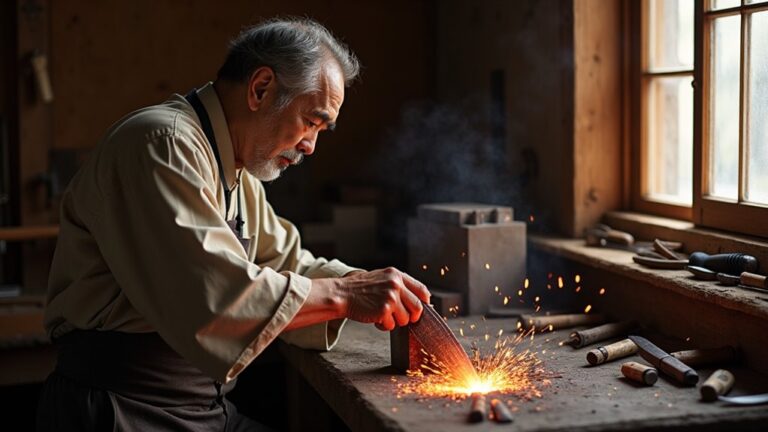
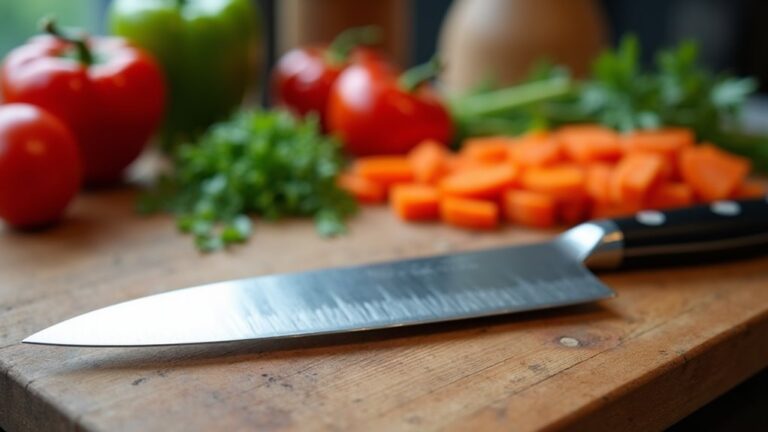
    Knife forging has transformed significantly over time, evolving from primitive stone tools to sophisticated metal blades. Early knives crafted from flint gave way to stronger bronze during the Bronze Age, followed by the popularity of iron and Damascus steel in the Iron Age. These tools fulfill various functions in cooking and rituals across diverse cultures,…
    Read More The Evolution Of Knife Forging Across CulturesContinue

  • blade thickness influences cutting efficiency
    Materials

    How Blade Thickness Affects Cutting Performance

    ByMichasile

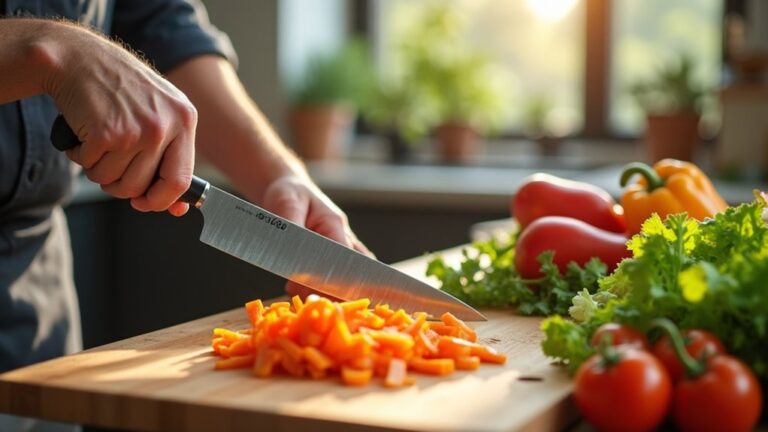
    Blade thickness significantly influences your cutting performance. Thinner blades (under 2mm) are ideal for precise slicing, while medium thickness blades (2-3mm) offer a balance of strength and versatility for various cooking tasks. Thicker blades (over 3mm) are suited for heavy-duty work, easily handling dense meats. Understanding the right thickness for your needs can enhance your…

    Read More How Blade Thickness Affects Cutting PerformanceContinue

  • craftsmanship through time evolution
    Materials

    Traditional Vs. Modern Knife-Making Techniques

    ByMichasile

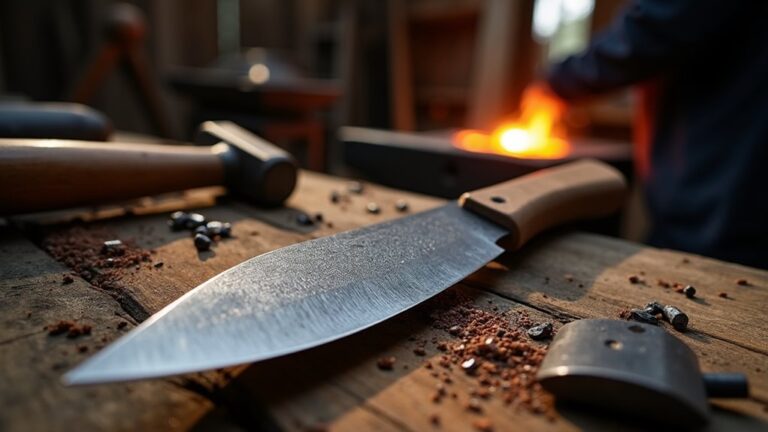
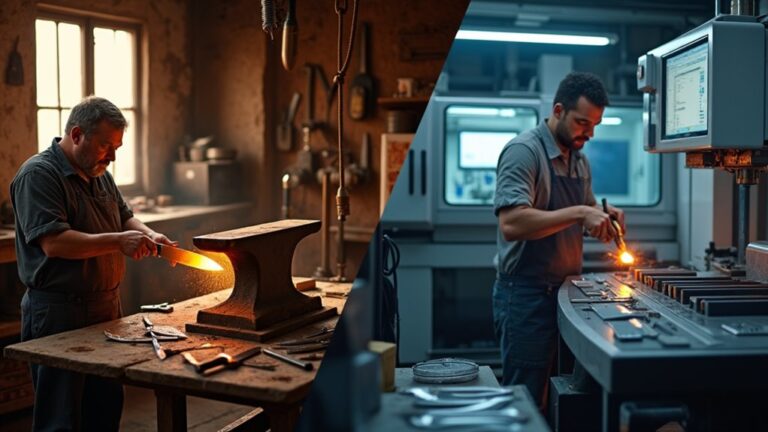
    Traditional knife-making techniques emphasize handcrafted artistry, incorporating methods such as forging, hardening, and lamination, resulting in unique designs and high-quality materials that highlight durability and beauty. In contrast, modern techniques leverage advanced materials like ceramic and titanium, enhancing efficiency and sharpness while enabling mass production that makes knives more budget-friendly, albeit at the expense of…

    Read More Traditional Vs. Modern Knife-Making TechniquesContinue

  • modern handle materials comparison
    Materials

    Micarta And G10 Handles: Modern Material Innovations

    ByMichasile

    Micarta and G10 are innovative materials that significantly enhance knife handles, offering durability and improved grip in various conditions. Micarta features layered fabric that becomes even more textured when wet and develops a unique patina over time, while G10, made from fiberglass laminates, is lightweight, waterproof, and provides excellent performance in harsh environments. For those…

    Read More Micarta And G10 Handles: Modern Material InnovationsContinue

  • heat treatment in blades
    Materials

    The Role Of Quenching And Tempering In Blade Crafting

    ByMichasile

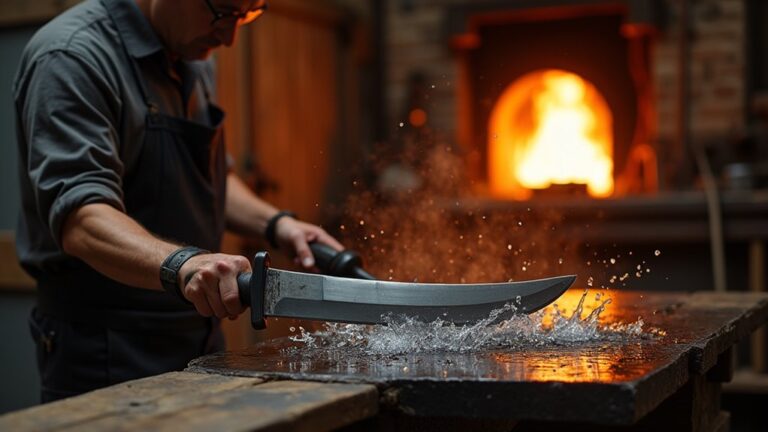
    Quenching and tempering are crucial steps in blade crafting that enhance both performance and durability. Quenching rapidly cools the steel to increase hardness, while tempering involves reheating to reduce brittleness and improve flexibility. This balanced heat treatment ensures your blade remains sharp and strong. For those interested in a deeper understanding, further details on these…

    Read More The Role Of Quenching And Tempering In Blade CraftingContinue

  • knife edge geometry explained
    Materials

    Understanding The Geometry Of Knife Edges

    ByMichasile

    Understanding knife edge geometry is crucial for selecting the right knife for your tasks. The type of blade grind—whether flat, hollow, or convex—significantly influences performance. A flat grind offers a balance of strength and sharpness, while a hollow grind provides sharper edges but requires meticulous care. The thickness of the edge also plays a key…

    Read More Understanding The Geometry Of Knife EdgesContinue

  • knife balance affects usage
    Materials

    Balance And Weight: How They Influence Knife Use

    ByMichasile

    Balance and weight significantly influence knife use, with a well-balanced knife enhancing control and reducing fatigue, while the design varies based on the knife’s purpose. For instance, chef knives are usually neutral in balance, while hunting knives are often front-heavy for precision tasks. Heavier knives are advantageous for cutting through tough materials, whereas lighter knives…

    Read More Balance And Weight: How They Influence Knife UseContinue

  • japanese bladesmithing techniques revealed
    Materials

    The Art Of Japanese Bladesmithing Explained

    ByMichasile

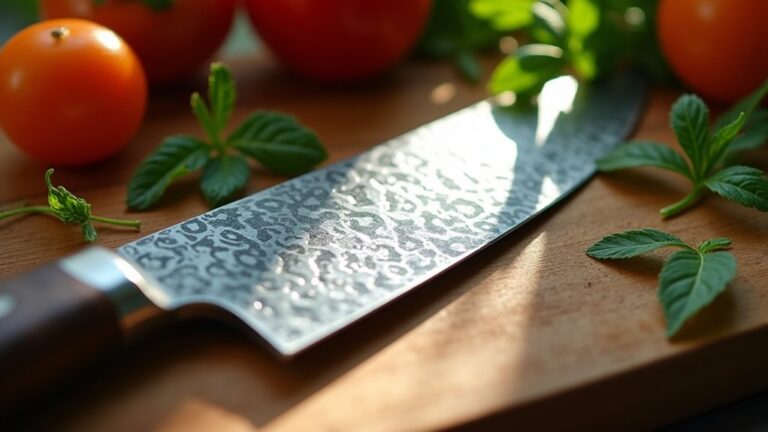
    Japanese bladesmithing is a refined art that merges ancient craftsmanship with cultural significance, primarily utilizing tama-hagane steel derived from iron sand. The process includes a unique folding technique to create layers, followed by a carefully controlled forging and heat treatment process to enhance durability. The blade is then polished through nearly 20 stages, unveiling intricate…

    Read More The Art Of Japanese Bladesmithing ExplainedContinue

  • powder metallurgy knife manufacturing
    Materials

    Exploring Powder Metallurgy In Knife Production

    ByMichasile

    Powder metallurgy significantly enhances knife production by creating blades that are both stronger and more durable. This process utilizes tiny metal powders to craft steel with exceptional toughness and wear resistance, resulting in knives made from powder steel, such as CPM S30V and M390, which retain their sharpness longer than conventional steels. Additionally, their superior…

    Read More Exploring Powder Metallurgy In Knife ProductionContinue

  • forged versus stamped knives
    Materials

    Forged Vs. Stamped Knives: What’s The Real Difference?

    ByMichasile

    Forged knives are crafted from a single piece of steel, offering superior strength, balance, and edge retention compared to stamped knives, which are cut from sheets of steel and tend to be lighter and easier for slicing. While forged knives excel in durability and performance for tough tasks, stamped knives require more frequent sharpening. For…

    Read More Forged Vs. Stamped Knives: What’s The Real Difference?Continue

  • full tang enhances knife durability
    Materials

    How Full Tang Design Impacts Knife Durability

    ByMichasile

    Full tang design significantly enhances a knife’s durability by featuring a solid metal piece that extends through the handle, minimizing weak spots and ensuring strength and reliability. This construction leads to improved balance and performance, especially during demanding tasks such as chopping tough vegetables or breaking down meat. Generally, full tang knives made with steel…

    Read More How Full Tang Design Impacts Knife DurabilityContinue

  • material comparison for handles
    Materials

    Handle Materials: Wood Vs. Plastic Vs. Composite

    ByMichasile

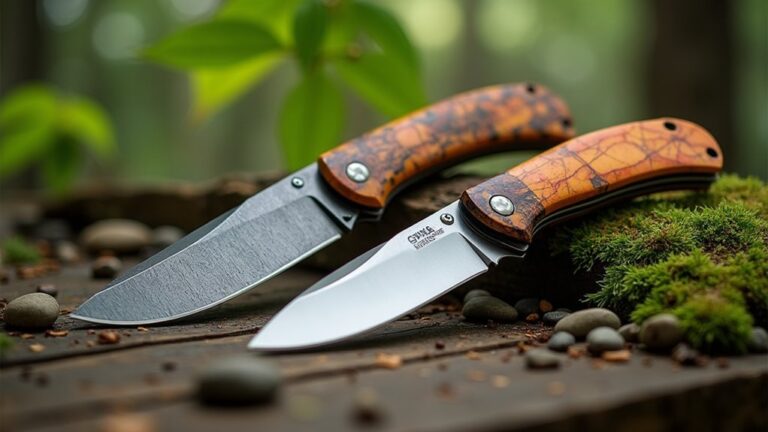
    When selecting knife handle materials, the three primary options are wood, plastic, and composite. Each type offers distinct advantages: wood is aesthetically pleasing but requires maintenance, plastic is lightweight and easy to clean but may feel slippery, and composite combines the best of both worlds with durability and low upkeep. For a more in-depth exploration…

    Read More Handle Materials: Wood Vs. Plastic Vs. CompositeContinue

Page navigation

Previous PagePrevious 1 … 57 58 59 60 61 … 64 Next PageNext

Affiliate Disclosure

We are a participant in the Amazon Services LLC Associates Program, an affiliate advertising program designed to provide a means for websites to earn advertising fees by advertising and linking to Amazon.com

© KnifeFlow

  • Sitemap
  • Privacy
  • Disclaimer
  • About
  • Contact
  • Types
  • Maintenance
  • Skills
  • Materials
  • History
  • Laws
  • Buying Guides
    • Review
Search