Skip to content
KnifeFlow
  • Types
  • Maintenance
  • Skills
  • Materials
  • History
  • Laws
  • Buying GuidesExpand
    • Review
KnifeFlow
  • blade hardness and ratings
    Materials

    The Importance Of Blade Hardness And Rockwell Ratings

    ByMichasile

    Blade hardness is essential for kitchen knives, and it is measured using Rockwell ratings. For optimal performance, look for knives with a hardness rating between 58-60 HRC, which strikes a balance between sharpness and durability. Higher ratings, such as 60 HRC, offer better edge retention but may be prone to chipping. Softer knives, around 54-56…
    Read More The Importance Of Blade Hardness And Rockwell RatingsContinue

  • high carbon stainless steel
    Materials

    Exploring High Carbon Stainless Steel In Modern Knives

    ByMichasile

    High carbon stainless steel is an excellent choice for modern knives due to its durability and resistance to rust, making it ideal for a variety of kitchen tasks. With a composition of at least 10.5% chromium and 0.3-1.2% carbon, these knives maintain their sharpness longer than low-carbon steel. Proper care, such as regular cleaning and…

    Read More Exploring High Carbon Stainless Steel In Modern KnivesContinue

  • heat treatment enhances blade strength
    Materials

    How Heat Treatment Shapes Blade Strength

    ByMichasile

    Heat treatment is crucial for enhancing blade strength, as it alters the hardness and toughness of steel. The process begins by heating the steel to approximately 1,600°F for quenching, followed by rapid cooling in oil or water, resulting in a hard edge. Subsequently, tempering the blade at around 400°F reduces brittleness while improving durability. Techniques…

    Read More How Heat Treatment Shapes Blade StrengthContinue

  • damascus steel pattern formation
    Materials

    The Science Behind Damascus Steel Patterns

    ByMichasile

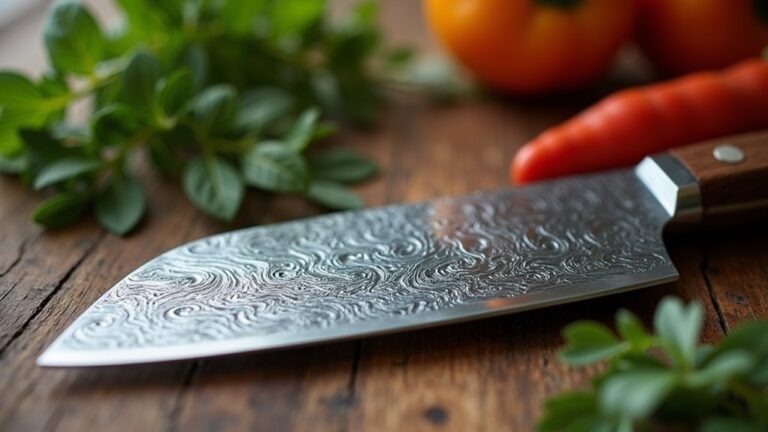
    Damascus steel patterns are created through a unique process that involves layering different types of high-carbon steel, typically with a carbon content of 1% to 2%. This method enhances the steel’s strength, sharpness, and visual aesthetics, resulting in distinctive patterns such as ladder, raindrop, and feathered designs that reflect the craftsman’s expertise. For those interested…

    Read More The Science Behind Damascus Steel PatternsContinue

  • blade material comparison guide
    Materials

    Understanding Carbon Steel Vs. Stainless Steel Blades

    ByMichasile

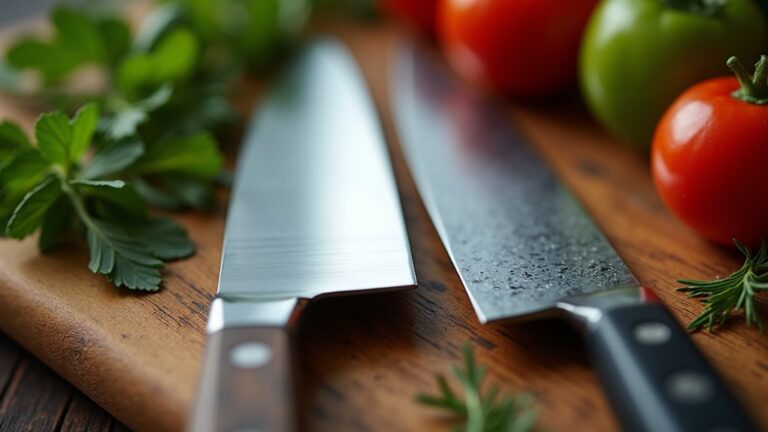
    When comparing carbon steel and stainless steel blades, carbon steel offers superior edge retention and is easier to sharpen, while stainless steel is rust-resistant and requires less maintenance. However, carbon steel blades can rust if not properly cared for, and stainless steel may not hold an edge as effectively. For those interested in a deeper…

    Read More Understanding Carbon Steel Vs. Stainless Steel BladesContinue

  • speedy knife work safely
    Skills

    Developing Speed Without Sacrificing Safety In Knife Work

    ByMichasile

    To develop speed in your knife work while ensuring safety, it’s essential to master proper techniques. Key practices include using the claw grip for finger protection, keeping knives sharp for clean cuts, and utilizing a sturdy, non-slip cutting board. Additionally, practicing different knife cuts like julienne and dice will enhance your efficiency. For those interested…

    Read More Developing Speed Without Sacrificing Safety In Knife WorkContinue

  • knife safety and techniques
    Skills

    Common Knife Handling Mistakes And How To Fix Them

    ByMichasile

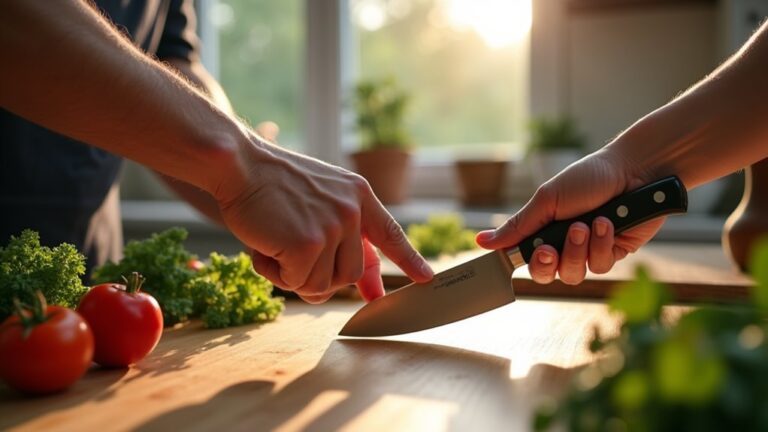
    To enhance your safety and efficiency in the kitchen, it’s essential to avoid common knife handling mistakes. Always cut away from your body, use a claw grip for better food handling, and select the appropriate knife for each task. Keeping your knives sharp can help prevent accidents, and proper care, such as washing by hand…

    Read More Common Knife Handling Mistakes And How To Fix ThemContinue

  • serrated knife cutting technique
    Skills

    How To Use A Serrated Knife Correctly

    ByMichasile

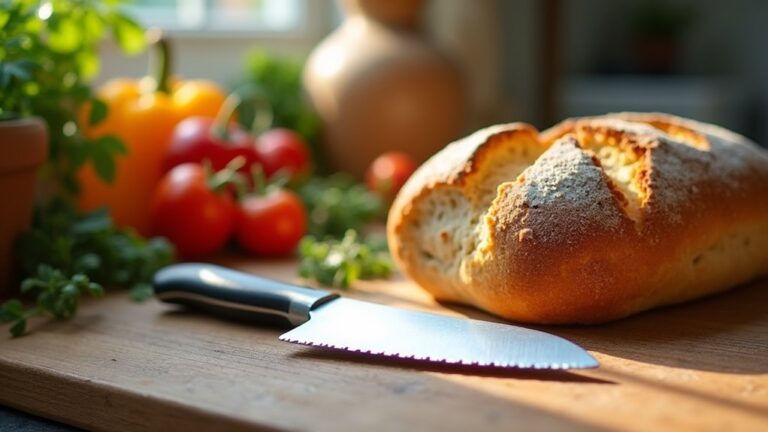
    To use a serrated knife correctly, grip the handle firmly and employ a gentle sawing motion for effective slicing. When cutting bread, apply light pressure to prevent squishing, and for tomatoes and soft fruits, use a claw grip for safety, allowing the knife’s teeth to do the work. When carving meat, slice against the grain…

    Read More How To Use A Serrated Knife CorrectlyContinue

  • quick vegetable chopping methods
    Skills

    Vegetable Prep Techniques For Faster Cooking

    ByMichasile

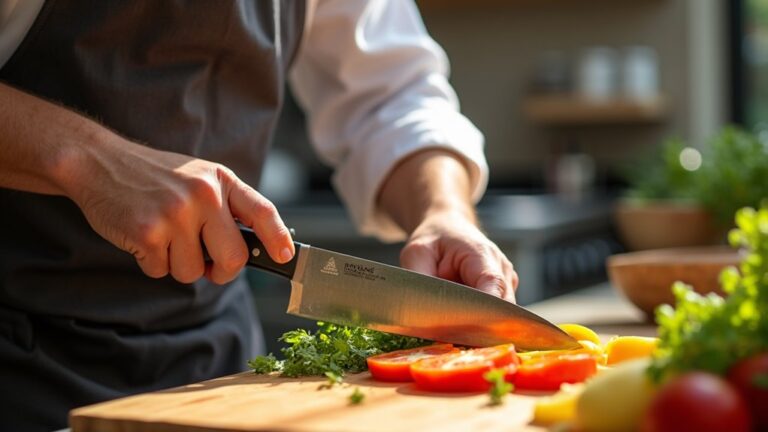
    To speed up your cooking, mastering essential vegetable prep techniques is key. Utilizing a sharp chef’s knife and a sturdy cutting board ensures clean cuts, while batch chopping hard vegetables like carrots and celery saves valuable time. For easy access, store prepped veggies in airtight containers. Wash leafy greens immediately after purchase and use a…

    Read More Vegetable Prep Techniques For Faster CookingContinue

  • safe and effective carving
    Skills

    How To Carve Poultry Safely And Effectively

    ByMichasile

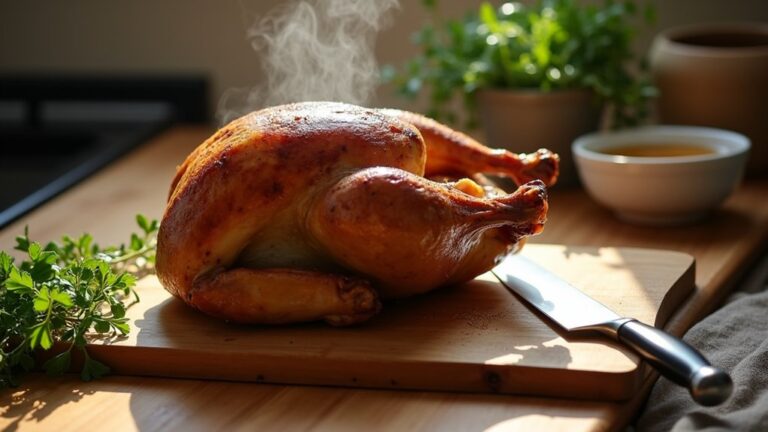
    To carve poultry safely and effectively, allow your cooked chicken to rest for 12-15 minutes before beginning. Use a sharp carving knife and a boning knife for more precise cuts. Start by detaching the legs and wings at the joints, then slice the breast against the grain to maintain tenderness. Arrange the pieces attractively on…

    Read More How To Carve Poultry Safely And EffectivelyContinue

  • knife skills for butchering
    Skills

    Butchering Basics: Knife Techniques For Large Cuts

    ByMichasile

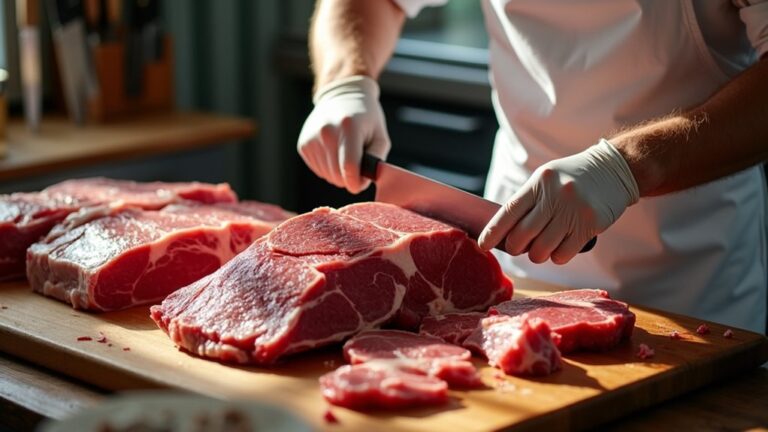
    To butcher large cuts effectively, begin with a sturdy cutting board and a sharp chef’s knife. It’s essential to use a handshake grip for better control and a claw grip to protect your fingers. Understanding muscle groups and joint locations will help you achieve cleaner cuts. Trim excess fat to maximize yield, and always remember…

    Read More Butchering Basics: Knife Techniques For Large CutsContinue

  • efficient garlic mincing technique
    Skills

    How To Mince Garlic Efficiently With A Knife

    ByMichasile

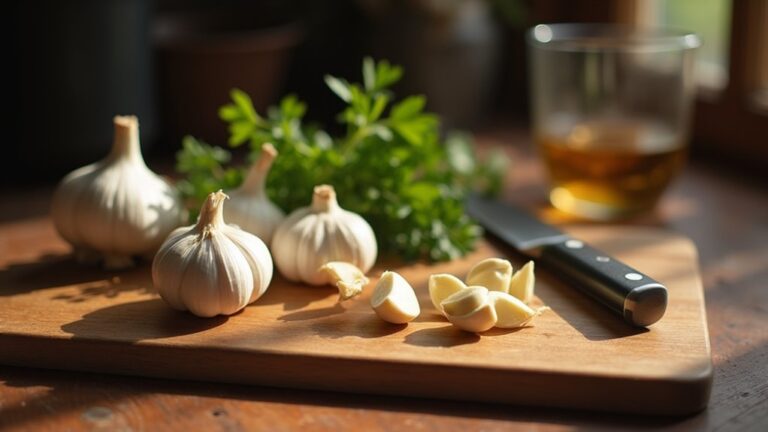
    To mince garlic efficiently with a knife, begin by peeling the cloves using the smash technique. This involves pressing down on a clove with the flat side of a chef’s knife to easily separate the skin. Next, trim the dry ends and slice the cloves lengthwise into thin strips. Then, chop the strips using a…

    Read More How To Mince Garlic Efficiently With A KnifeContinue

Page navigation

Previous PagePrevious 1 … 58 59 60 61 62 … 64 Next PageNext

Affiliate Disclosure

We are a participant in the Amazon Services LLC Associates Program, an affiliate advertising program designed to provide a means for websites to earn advertising fees by advertising and linking to Amazon.com

© KnifeFlow

  • Sitemap
  • Privacy
  • Disclaimer
  • About
  • Contact
  • Types
  • Maintenance
  • Skills
  • Materials
  • History
  • Laws
  • Buying Guides
    • Review
Search