
Skip to content
KnifeFlow
  • Types
  • Maintenance
  • Skills
  • Materials
  • History
  • Laws
  • Buying GuidesExpand
    • Review
KnifeFlow
  • knife care environmental factors
    Maintenance

    How Temperature And Humidity Affect Knife Care

    ByMichasile

    Humidity and temperature significantly impact knife care, making it essential to clean and dry your blades after each use to prevent rust in high humidity. Extreme heat can soften metal, while cold can make it brittle, both of which can lead to damage. To mitigate these risks, opt for stainless steel blades or those with…
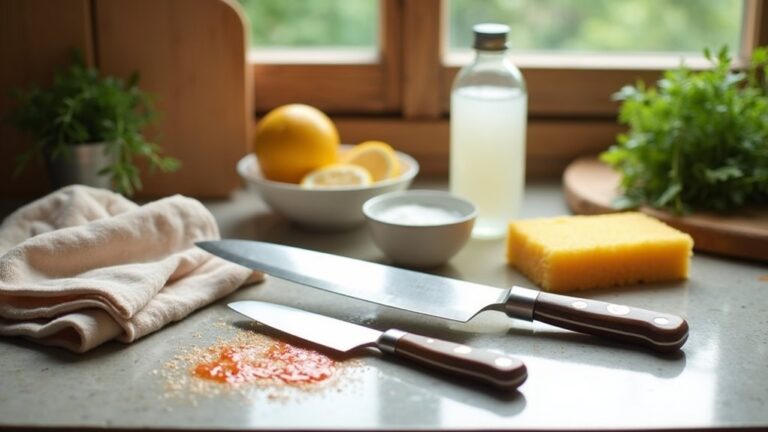
    Read More How Temperature And Humidity Affect Knife CareContinue

  • stain removal techniques for knives
    Maintenance

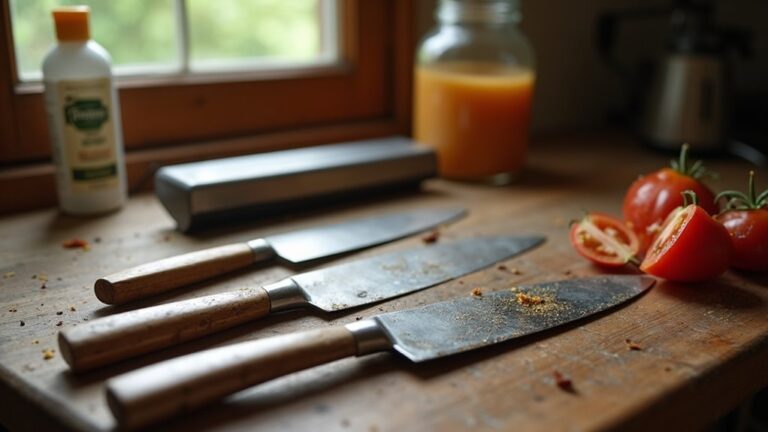
    Step-By-Step Guide To Removing Stains From Knives

    ByMichasile

    To effectively remove stains from your knives, begin by identifying the type of stain and gather some mild dish soap, warm water, and a non-abrasive sponge. It’s essential to inspect the knife for rust or damage before cleaning. Hand-wash the blade with soapy water, soaking it for a few minutes if needed. Rinse thoroughly and…

    Read More Step-By-Step Guide To Removing Stains From KnivesContinue

  • essential for knife maintenance
    Maintenance

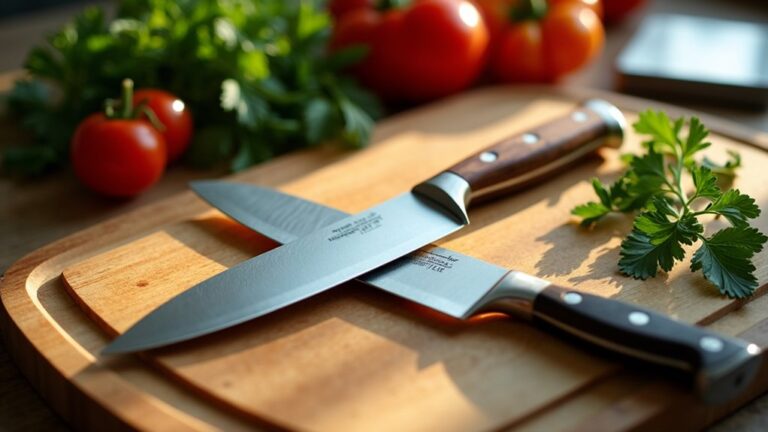
    Why Regular Honing Is Essential For Knife Performance

    ByMichasile

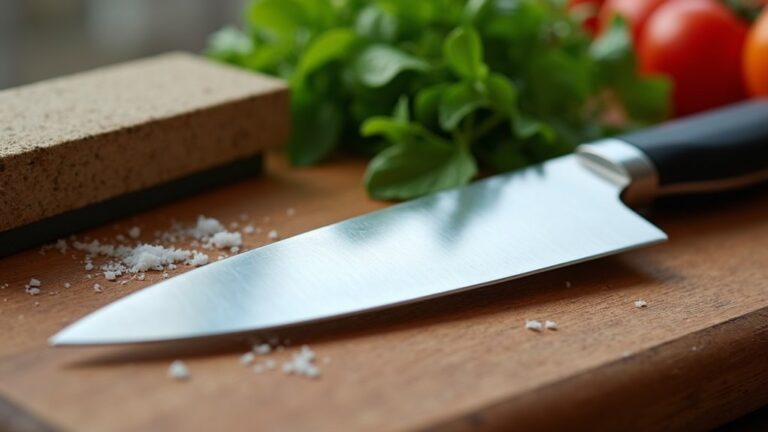
    Regular honing is crucial for optimal knife performance, as it realigns the blade’s edge to ensure clean and precise cuts without removing metal. To maintain effectiveness and safety, it’s recommended to hone your knife after every four to five uses. Using a honing rod at the appropriate angle—20 degrees for Western knives and 15 for…

    Read More Why Regular Honing Is Essential For Knife PerformanceContinue

  • knife care mistakes to avoid
    Maintenance

    Common Knife Maintenance Mistakes To Avoid

    ByMichasile

    To maintain your knives effectively and avoid common mistakes, ensure you hone them regularly, clean them immediately after use, and store them properly. Avoid washing them in the dishwasher, as this can warp handles and damage blades. Additionally, use wooden or plastic cutting boards to prevent dulling. For those looking for more in-depth information, further…

    Read More Common Knife Maintenance Mistakes To AvoidContinue

  • proper knife care techniques
    Maintenance

    How To Extend The Lifespan Of A Kitchen Knife

    ByMichasile

    To extend the lifespan of your kitchen knife, sharpen it monthly and hone it before each use. Always cut on plastic or wooden cutting boards to protect the blade’s edge. Clean the knife immediately after use with warm, soapy water, and avoid using dishwashers. Store knives in a block or with edge guards to prevent…

    Read More How To Extend The Lifespan Of A Kitchen KnifeContinue

  • knife storage options explained
    Maintenance

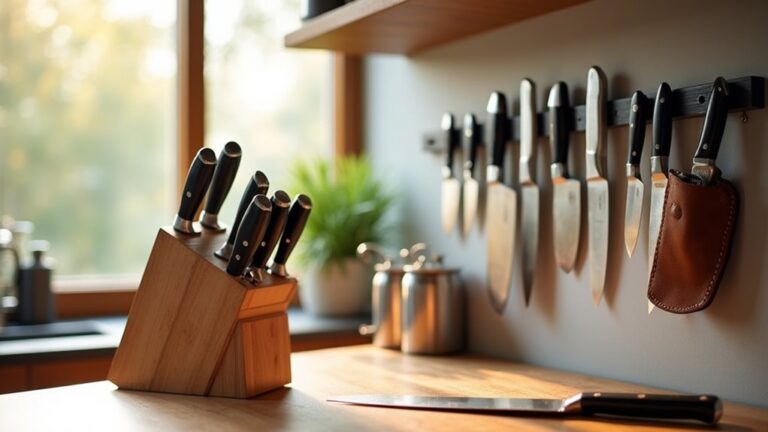
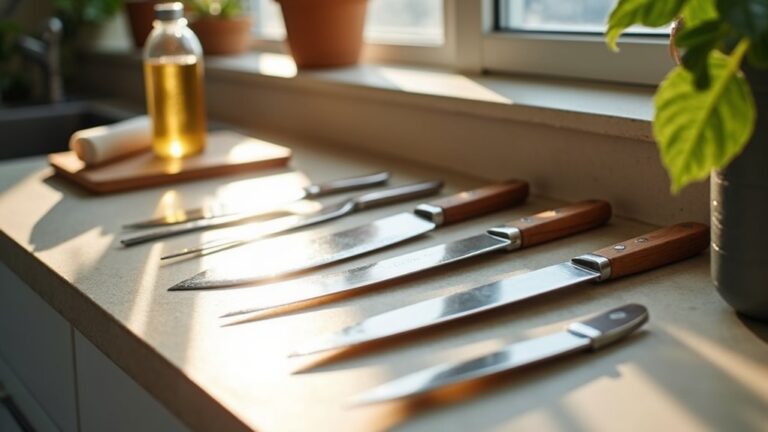
    Knife Storage Solutions: Blocks, Strips, And Sheaths Explained

    ByMichasile

    Knife storage solutions such as blocks, magnetic strips, and sheaths effectively keep your knives sharp, organized, and safe. Each option provides unique advantages: knife blocks offer dedicated slots for organization, magnetic strips keep knives visible and off counters, and sheaths protect blades from damage. In this article, we’ll explore the benefits of each storage solution…

    Read More Knife Storage Solutions: Blocks, Strips, And Sheaths ExplainedContinue

  • knife maintenance with oil
    Maintenance

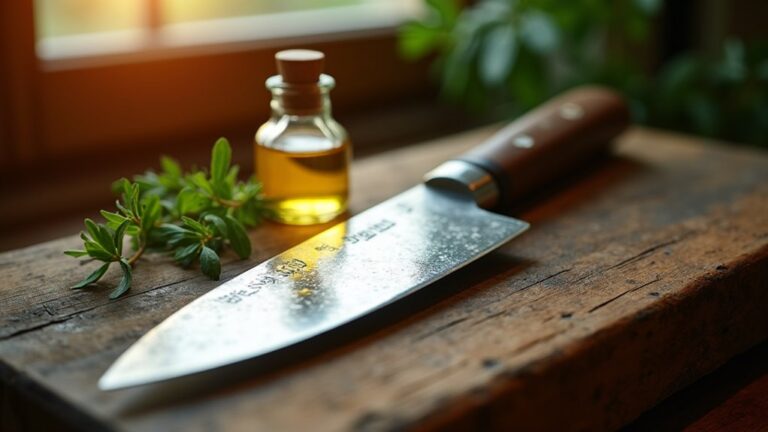
    The Science Of Knife Oil: Why And How To Use It

    ByMichasile

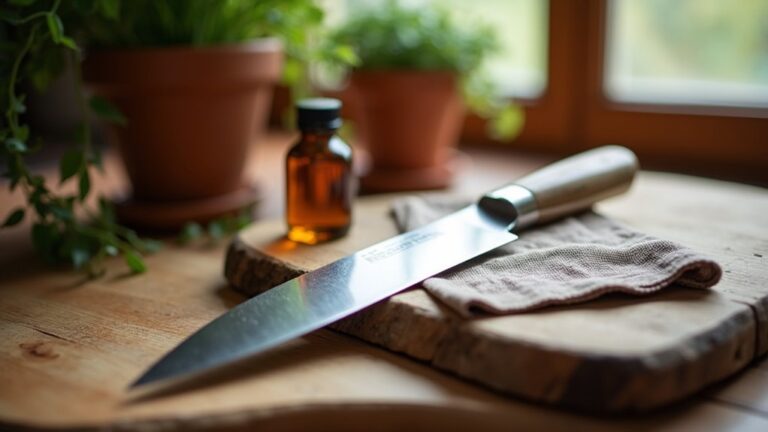
    Oiling your knife is essential for maintaining its sharpness and preventing rust. Use food-grade mineral oil for kitchen knives, applying a few drops evenly across the blade after thoroughly cleaning and drying it. For everyday knives, oiling once a month is sufficient, while professional chefs should do it weekly. This simple maintenance task not only…

    Read More The Science Of Knife Oil: Why And How To Use ItContinue

  • rust prevention for knives
    Maintenance

    Preventing Rust On Knives: Proven Methods That Work

    ByMichasile

    To effectively prevent rust on your knives, it’s essential to keep them clean and dry. Wash your knives with warm, soapy water and dry them promptly to prevent moisture accumulation. Store them in a knife block or on a magnetic strip, ensuring they are completely dry beforehand. Regular inspections and the application of food-grade mineral…

    Read More Preventing Rust On Knives: Proven Methods That WorkContinue

  • knife blade polishing techniques
    Maintenance

    How To Polish A Knife Blade Without Damaging It

    ByMichasile

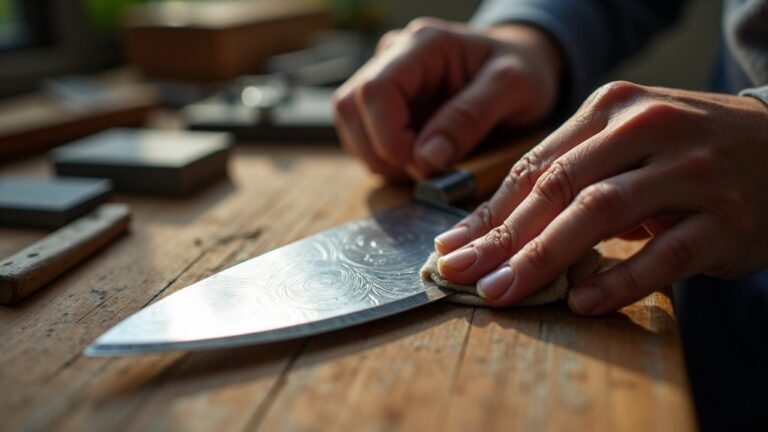
    To polish your knife blade without causing damage, begin by cleaning it with a damp cloth and ensuring it is thoroughly dried. Next, use fine polishing compounds like Autosol, starting with grit sandpaper ranging from 600 to 1500 to smooth the surface. A buffing wheel can enhance the shine, but it’s important to maintain control…

    Read More How To Polish A Knife Blade Without Damaging ItContinue

  • knife edge angle maintenance
    Maintenance

    Understanding Knife Edge Angles And Their Maintenance

    ByMichasile

    Maintaining the correct knife edge angles is essential for optimal knife performance. Knife angles generally range from 10 to 30 degrees; for precise cutting, aim for 10 to 18 degrees, while 20 to 25 degrees is ideal for tougher tasks. Regular maintenance such as honing and sharpening is necessary to keep the edge sharp. Look…

    Read More Understanding Knife Edge Angles And Their MaintenanceContinue

  • care for carbon steel
    Maintenance

    How To Maintain A Carbon Steel Blade For Longevity

    ByMichasile

    To ensure the longevity of your carbon steel blade, it is essential to develop a protective patina, wash it promptly after use, and apply mineral oil regularly. Hand wash your knife with soapy water immediately after use and dry it thoroughly to prevent dampness. Additionally, applying a light coat of food-grade mineral oil weekly will…

    Read More How To Maintain A Carbon Steel Blade For LongevityContinue

  • safe knife storage tips
    Maintenance

    Best Practices For Storing Knives Safely At Home

    ByMichasile

    To store knives safely at home, utilize knife blocks, magnetic strips, or in-drawer organizers to keep blades protected, organized, and reduce the risk of accidents. Always ensure knives are clean and dry before storage to prevent rust, and avoid loose drawers that can lead to injuries. It’s crucial to keep knives out of children’s reach…

    Read More Best Practices For Storing Knives Safely At HomeContinue

Page navigation

Previous PagePrevious 1 … 60 61 62 63 64 Next PageNext

Affiliate Disclosure

We are a participant in the Amazon Services LLC Associates Program, an affiliate advertising program designed to provide a means for websites to earn advertising fees by advertising and linking to Amazon.com

© KnifeFlow

  • Sitemap
  • Privacy
  • Disclaimer
  • About
  • Contact
  • Types
  • Maintenance
  • Skills
  • Materials
  • History
  • Laws
  • Buying Guides
    • Review
Search